
You buy the hair mask because your ends feel dry. You leave it on for 20 minutes because the bottle says so. Then you rinse, style, and wonder why your hair still doesn't feel dramatically different. Here's the thing: a hair mask isn't magic, and leaving one on longer doesn't automatically make it work better.
Hair masks can be an incredibly useful part of a hair-care routine, especially if your hair is dry, damaged, color-treated, curly, or frequently exposed to heat. But the key is choosing the right kind of mask and using it where your hair actually needs it. So how often should you use one? Should it replace conditioner? And does leaving it on overnight actually help?
Let's get into it.
What Is a Hair Mask Actually Doing?
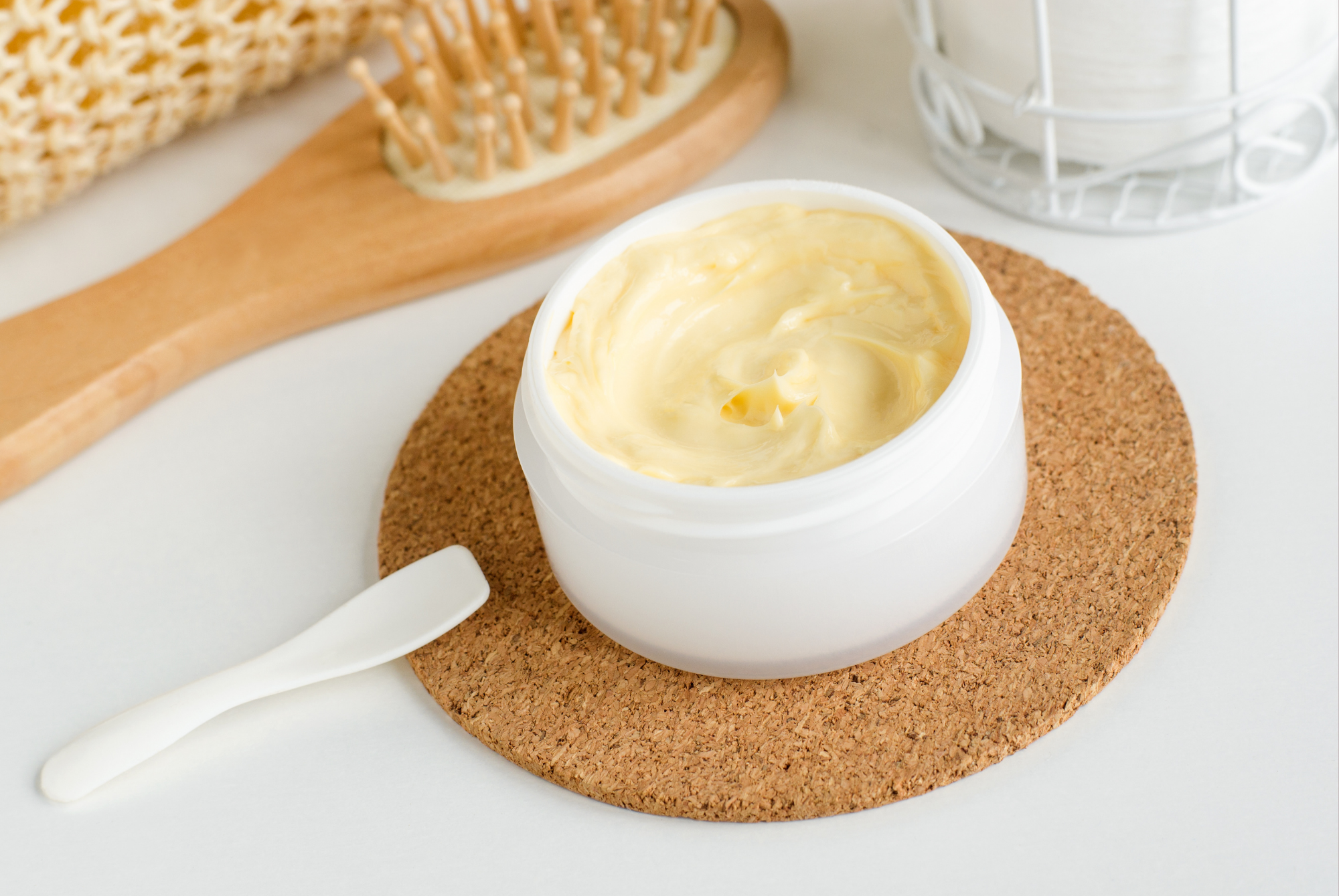
Think of a hair mask as a more concentrated treatment designed to address a specific need. Depending on the formula, a mask may help temporarily improve softness, smoothness, manageability, moisture retention, or the appearance of damaged hair. Some formulas are focused primarily on conditioning, while others contain ingredients intended to strengthen or reinforce the feel of compromised strands.
That doesn't mean a mask permanently "repairs" every type of damage. Hair is not living tissue once it emerges from the scalp, so products can't reverse every form of structural damage. What they can do is improve the condition and feel of the fiber, reduce friction, and make hair easier to detangle and style.
And honestly, that can make a pretty noticeable difference.
Do You Actually Need a Hair Mask?
Not everyone needs one. If your hair is healthy, soft, easy to detangle, and behaving the way you want it to, adding another product just because TikTok told you to isn't necessary.
But a mask can be particularly useful if you notice:
- Dry or rough-feeling ends
- Excessive tangling
- Frizz that seems difficult to control
- Hair that feels brittle or weak
- Damage from frequent heat styling
- Bleached or heavily color-treated hair
- Curls that feel dry or lose definition
- Hair that feels unusually coarse or difficult to manage
The important part is identifying what your hair is asking for.
Dry hair doesn't necessarily need the same treatment as chemically damaged hair. Fine hair doesn't necessarily need the same formula as thick, coarse hair.
Moisturizing Masks vs. Strengthening Masks
This is where hair masks can get confusing. Not every mask is designed to do the same thing.
Moisturizing Masks
These are generally designed to make hair feel softer, smoother, and more conditioned. They're often a good choice for hair that feels:
- Dry
- Rough
- Frizzy
- Tangled
- Dull
- Difficult to comb through
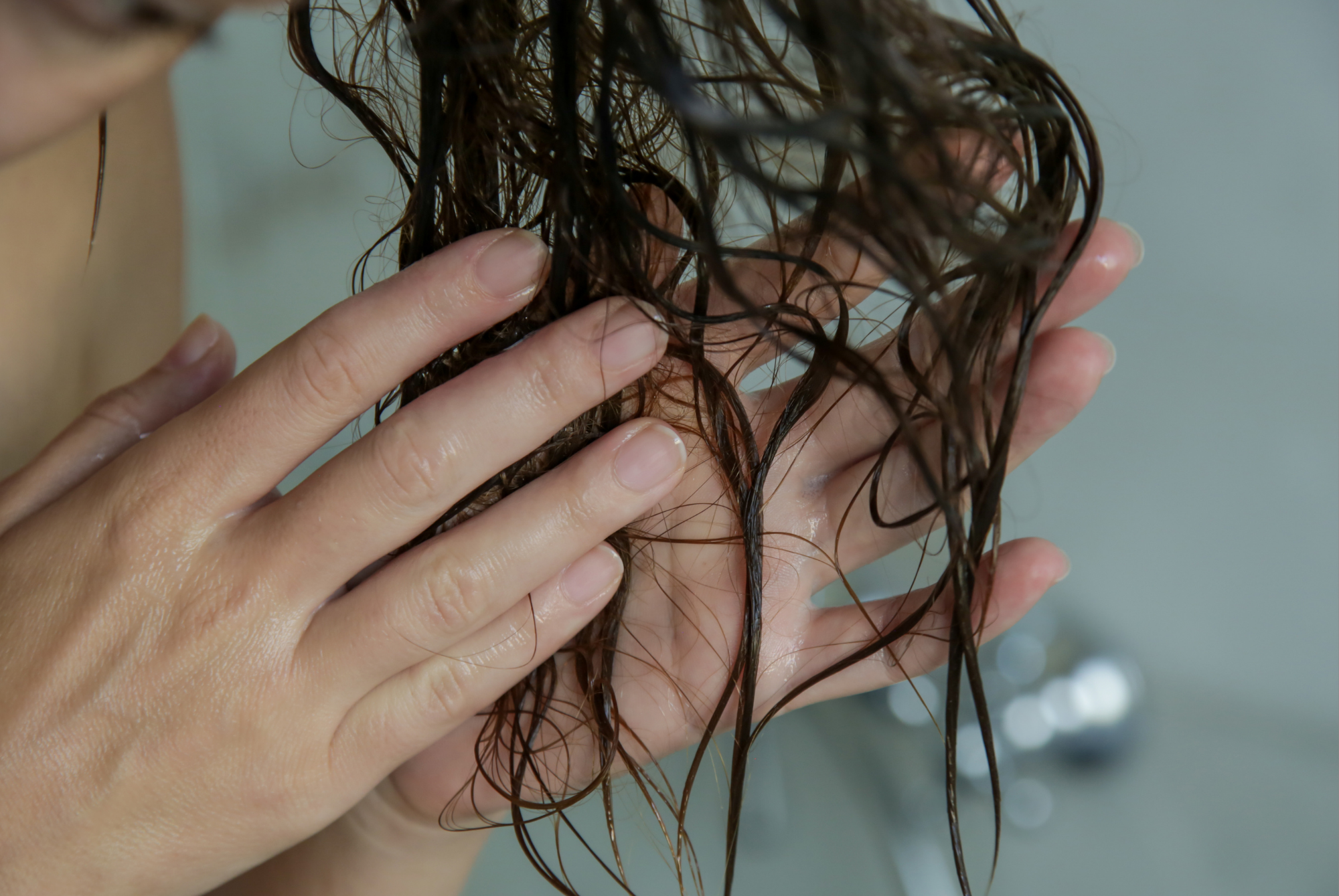
If your biggest complaint is that your hair feels like straw after washing, a conditioning or moisturizing mask may make more sense than reaching immediately for a strengthening treatment.
Strengthening or Bond-Building Masks
These are aimed more toward hair that has experienced chemical or physical stress. Think bleaching, repeated coloring, relaxing, perming, or frequent heat styling.
These formulas may contain proteins, amino acids, bond-building technologies, or other conditioning ingredients intended to improve the feel and resilience of damaged hair. But more isn't always better.
Using a highly strengthening treatment constantly when your hair doesn't need it can leave some hair feeling stiff, coated, or less flexible. Your hair doesn't need to be "stronger" at all times. Sometimes it simply needs to be conditioned.
How to Use a Hair Mask Correctly
The biggest mistake I see is treating a hair mask like a competition. More product. Longer processing time. More frequent use. None of those automatically means better results.
Here's the routine I'd recommend.
Shampoo First
Start with clean hair.
Shampoo removes oil, sweat, styling residue, and buildup so your treatment can properly coat the hair.
You don't need to aggressively scrub the lengths. Concentrate shampoo primarily on the scalp and allow the lather to travel through the rest of your hair as you rinse.
Remove Excess Water
This step is easy to skip. But if your hair is completely dripping wet, some of the mask can simply slide off with the excess water instead of staying on the strands.
After shampooing, gently squeeze out excess water with your hands or use a microfiber towel. You want your hair damp, not soaking.
Apply From Mid-Lengths to Ends
Unless the product specifically says it is designed for the scalp, keep your mask away from the roots. The lengths and ends are usually where you need the most conditioning because they're the oldest parts of your hair.
Start around the mid-lengths and work toward the ends. If you have very thick hair, divide it into sections so you don't end up with a heavily coated surface and completely untreated hair underneath.
Distribute It With Your Fingers
Don't just slap the mask onto your hair and rinse. Use your fingers to gently work the product through the lengths.
For curly or textured hair, this can also be a good opportunity to gently detangle while the hair is coated. You don't need to aggressively brush through it. The goal is even distribution with as little pulling as possible.
Follow the Recommended Processing Time
This is where the "I'll just leave it on longer" mentality needs to go. If the bottle says five minutes, start with five minutes.
If it says 10 to 15 minutes, follow that direction. A longer processing time isn't automatically more effective, particularly when you're dealing with a formula that contains proteins, strengthening ingredients, or other concentrated treatments.
More time can also mean more buildup for certain hair types.
Rinse Thoroughly
You want conditioned hair, not a layer of mask sitting on top of it. Rinse until the water runs clear and your hair feels soft but not coated or waxy.
If your hair is very fine, you may need to be particularly careful here. Heavy residue can make fine hair look flat or greasy surprisingly quickly.
Should You Use Conditioner After a Hair Mask?
Usually, you don't need to. Most hair masks are designed to function as your conditioning step, meaning you can generally shampoo, mask, rinse, and move on to your leave-in or styling products.
But there are exceptions. If the specific product instructions recommend following with conditioner, do that.
You might also find that your particular hair responds better to a small amount of lightweight conditioner afterward, especially if the mask is more treatment-focused than conditioning-focused. The best routine is the one that leaves your hair soft and manageable without feeling coated.
How Often Should You Use a Hair Mask?
There isn't one universal schedule. For many people, once a week is a reasonable place to start. Very dry, coarse, curly, or heavily processed hair may benefit from more frequent treatment, while fine or easily weighed-down hair may prefer less. Pay attention to what happens after you use it.
If your hair feels softer, smoother, and easier to manage, your routine is probably working. If it starts feeling heavy, limp, greasy, stiff, or coated, you may be overdoing it. Your hair doesn't get extra credit for using a mask three times a week.
What About Leaving a Hair Mask Overnight?
This is one of those beauty hacks that sounds logical but isn't necessarily better. If a product is specifically formulated as an overnight treatment, follow its instructions. But if the directions say to leave it on for 5–10 minutes, don't assume that sleeping in it will produce a better result.
Longer exposure can lead to unnecessary buildup, and some formulas aren't designed for prolonged contact with the hair or scalp. There's also the practical issue of your pillowcase. You don't need to spend eight hours sleeping in a product to get the benefits of a properly formulated hair mask.
The Biggest Hair Mask Mistakes
A good mask can become less helpful when it's used incorrectly.
Using Too Much Product
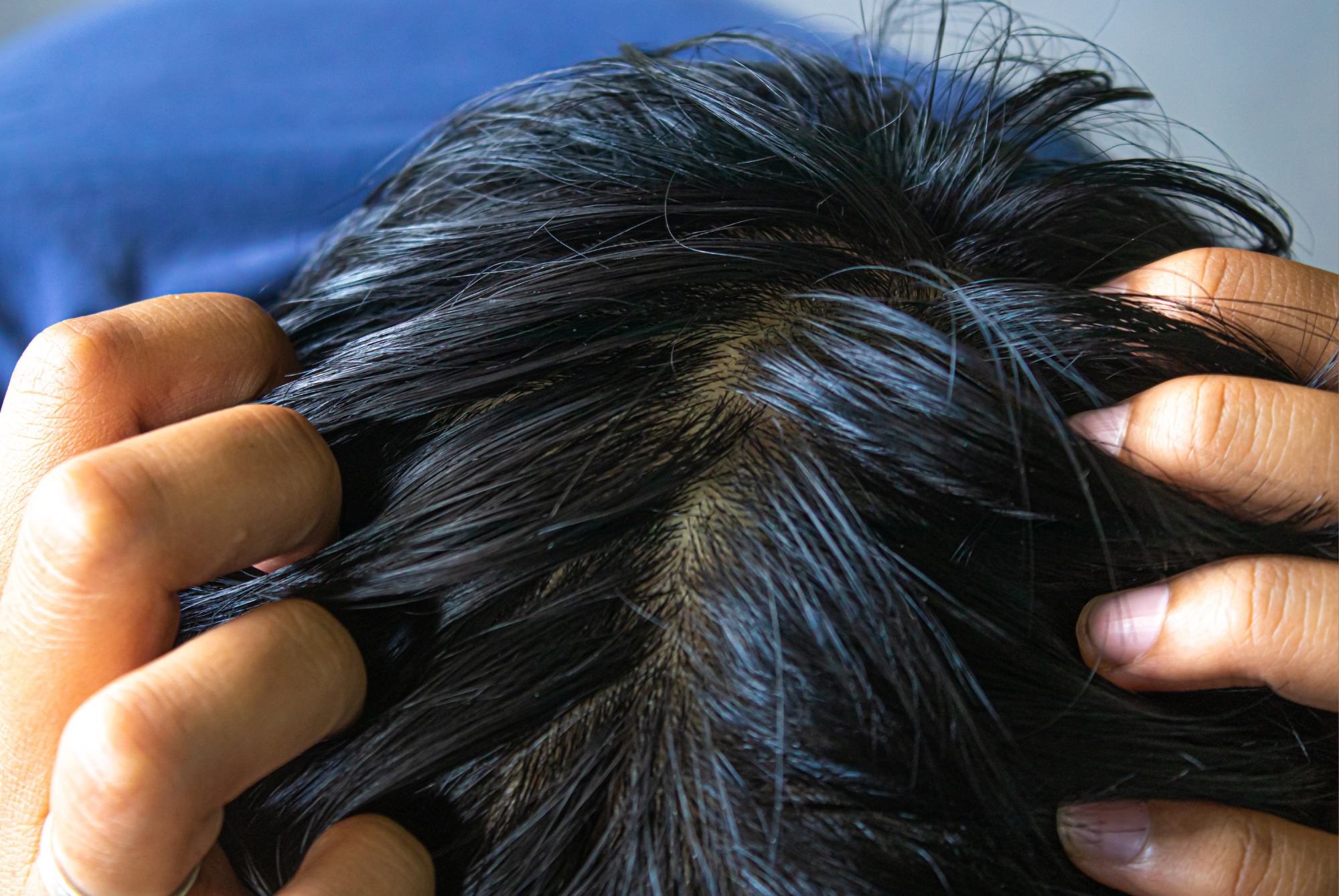
Your hair doesn't need to be completely saturated in a thick layer. Start with a moderate amount and add more if necessary. Using too much can lead to hair loss.
Applying It Directly to the Scalp
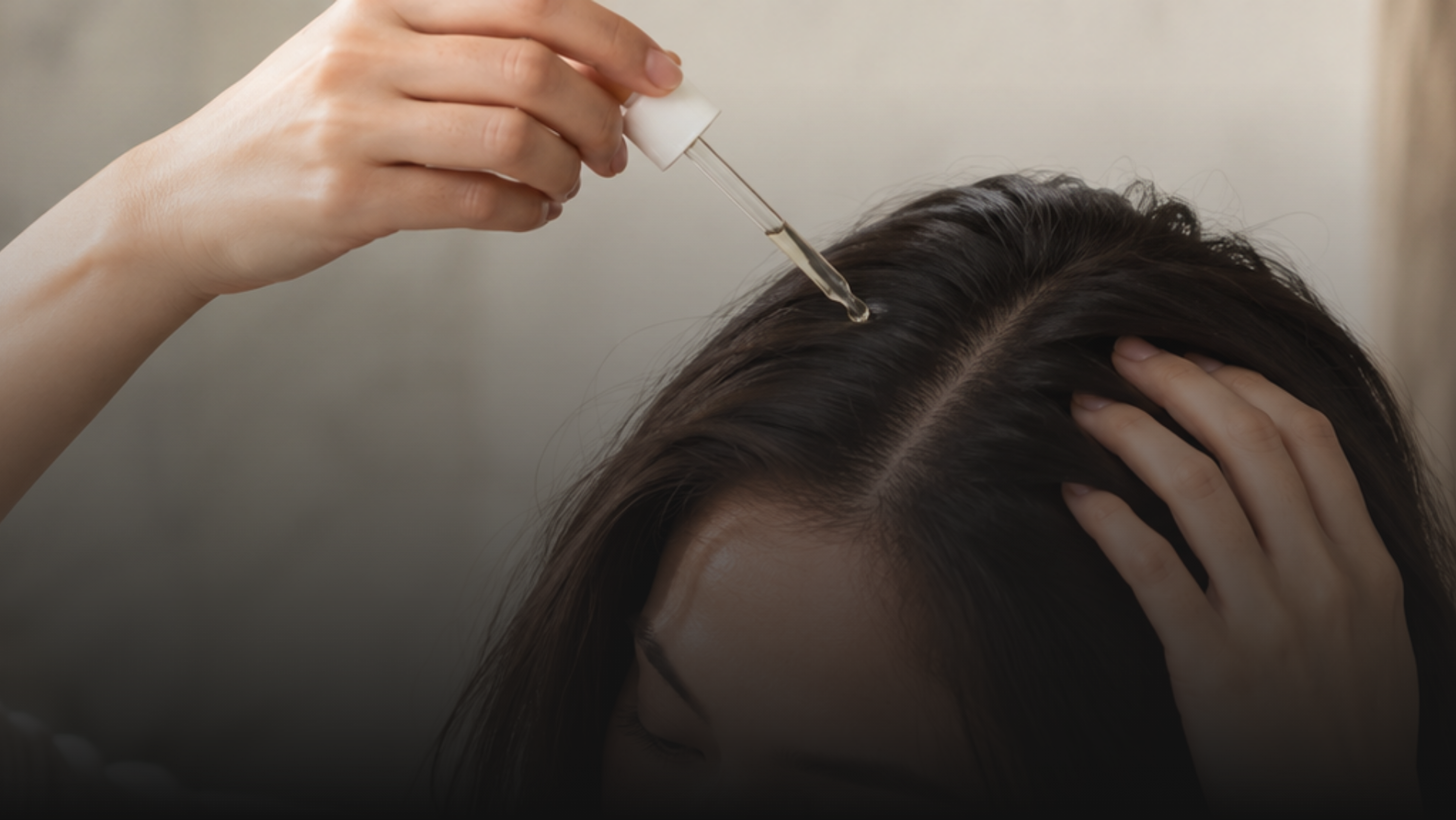
Unless it's specifically designed for scalp use, your mask belongs on the hair. Putting a rich conditioning formula at the roots can leave the scalp feeling greasy and the hair looking flat.
Using the Same Mask Forever
Your hair's needs change. The mask that worked beautifully after you bleached your hair may be too heavy once your hair grows out. A rich winter treatment might feel excessive during humid summer weather. Don't be afraid to change your routine when your hair changes.
Ignoring Your Hair's Texture
Fine hair can become weighed down quickly. Thick or coarse hair may need a richer formula and more thorough distribution. Curly and coily hair may benefit from products designed specifically for maintaining moisture and reducing tangling. The "best" mask isn't necessarily the one with the most impressive ingredient list. It's the one that solves the problem you're actually having.
The Hair Mask Routine I'd Actually Recommend
If you're trying to build a simple routine, don't overcomplicate it.
Once a week:
Shampoo your scalp.
Rinse thoroughly.
Squeeze excess water from your hair.
Apply your mask from mid-lengths through the ends.
Gently distribute with your fingers.
Leave it on for the recommended amount of time.
Rinse thoroughly.
Follow with your normal leave-in or styling routine.
Then pay attention to how your hair behaves over the next few washes. If it feels softer and more manageable, keep going. If it feels heavy or coated, reduce the amount or frequency.
The Takeaway
A hair mask isn't supposed to replace your entire hair-care routine. It's a targeted treatment you can bring in when your hair needs something extra.
The biggest difference usually isn't made by leaving the mask on for an hour or using half the jar at once. It's choosing a formula that matches your hair's needs, applying it correctly, and using it consistently enough to actually notice the difference.
If your hair is dry, start with conditioning. If it's chemically damaged, look for a treatment designed with strengthening or repair-focused ingredients.
And if your hair is already healthy and happy? You may not need a mask at all. Sometimes the best hair-care routine is the one that does exactly what your hair needs — and nothing more.