HairProVoices
COLOR: Brunette Glazing: The Salon Treatment Everyone's Asking ForSTYLE: Why a Good Haircut Is More Than Just "Taking Length Off"COLOR: Ready for Vivid Color? Here's What Your Stylist Wants You to KnowTEXTURE: The Curl Consultation: What to Say to Get Your Best Curls EverTIPS: How to Find a Stylist Who Gets Your Hair (And Keeps It)TIPS: How to Book the Right Stylist for Your Hair TypeTIPS: 10 Questions to Ask Before Your Next Color AppointmentPRODUCTS: Bond Builders: What They Are and Why Your Hair Needs OneBUSINESS: The $100K Solo Stylist BlueprintTECHNIQUE: What Is Balayage? Your Stylist ExplainsHAIR CARE: What Your Stylist Notices About Thinning Before You DoSTYLE: Why Layers Can Either Help or Ruin Thin HairHAIR CARE: Gua Sha for Scalp: The Treatment Stylists Are Watching CloselyCOLOR: How to Ask for a Low-Maintenance Color That Actually LastsAT HOME: At-Home Hair Care That Actually Makes a Difference (According to Stylists)BUSINESS: Why the Busiest Stylists Aren't Doing More Clients, They're Doing This InsteadPRODUCTS: The Types of Products Stylists Actually Use for Smoothing HairTIPS: What Your Stylist Is Actually Looking at When You Sit DownSTYLE: 10 G-Dragon Hairstyles Stylists Still ReferenceSTYLE: 10 Best Hair Looks at the 2026 Met GalaSTYLE: Mother's Day Special Edition: 6 Effortless Hairstyles Stylists Are LovingCOLOR: A Stylish History of Hair Color: From Ancient Pigment to Modern Salon CraftSTYLE: Clean Cuts, Strong Lines, Hot-Guy EnergySTYLE: How to Make a Slick-Back Bun Look PolishedHAIR CARE: Your Fine, Frizzy Hair Might Actually Be WavySTYLE: The 2026 Wolf Cut: Messy is the new SexySTYLE: Find the Bangs That Actually Suit YouHAIR CARE: What Stylists Should Know About Female Hair LossSTYLE: Game, Set, HairSTYLE & CULTURE: Your Hair Is Already Talking. Are You Listening?HAIR CARE: Minoxidil vs. Proprietary Molecules: Is NOVOGRO™ the Industry's Best Kept Secret?STYLE: Wet-Look Hair Can Be Chic. It Just Can't Look Greasy.HAIR CARE: Finasteride vs. NOVOGRO™: Why I'm Tired of Watching Women Borrow Men's Hair-Loss DrugsSTYLE: Short Without the Hard Edges: The French Bob I Reach ForHAIR CARE: Shedding vs. Breakage: The 2-Minute Chairside Test Every Stylist Should KnowBUSINESS: The Head Spa Opportunity: Turning Viral Interest Into Real Salon RevenueHAIR CARE: PP405 vs. NOVOGRO™: Why Salon Pros Are Questioning the Dormant Follicle HypeTECHNIQUE: What I Wish Clients Knew Before They Sat Down for ExtensionsHAIR CARE: The Real Damage Summer Does to Your Hair (and How Stylists Undo It)COLOR: There Is a Smarter Way to Go Gray, and Most Women Never Hear ItHAIR CARE: Your Shower Water Might Be the Real Reason Your Hair Feels OffHAIR CARE: How Often Should You Really Wash Your Hair? Let Me Settle This.HAIR CARE: No, You Cannot Repair a Split End. Here Is What Actually Happens.HAIR CARE: Your Flat Iron Runs Hotter Than Your Oven. Your Hair Notices Before You Do.TECHNIQUE: Everyone Is Oiling Their Hair Right Now. Half of Them Are Doing It Backwards.TEXTURE: The Perm Is Back, and It Is Nothing Like the One That Scared Your MotherBUSINESS: Your Clients Are Already Buying Scalp Care. Just Not From You.TECHNIQUE: Your Hair Was Cut Wet. That's Why It Never Looks Like It Did In The Chair.TECHNIQUE: Are Straight Perms Bad for Your Hair? Experts Explain.COLOR: The Hair Colors Stylists Predict Will Dominate Fall 2026TECHNIQUE: Gloss or Full Color? Here's How to Know Which Appointment You Actually NeedAT HOME: Is Your Bedtime Routine Ruining Your Hair? The Sleep Habits Stylists Want You to KnowSTYLE: The Pop Star Hair Looks Everyone Wants — And How Stylists Actually Recreate ThemHAIR CARE: Yes, These 5 Thinning-Hair Treatments Can Work — Reviewed by Hair ProfessionalsSTYLE: What Your Hair Says About You: How You Wear Your Hair on a First DateHUMIDITY: Why Your Hair Changes in HumiditySHAMPOO: Is Your Shampoo Making Your Hair Oily? A Stylist ExplainsHAIRCUT: Your Haircut Should Work With Your Routine, Not Against ItTRIM: How to Know When You're Actually Due for a TrimHAIRHEALTH: How Do K-Pop Idols Keep Their Hair Looking Healthy Through So Many Changes?HEAT: Using Heat on Your Hair Every Day? A Stylist Explains What’s Actually HappeningPRODUCTS: Dry Shampoo Isn’t Shampoo. Here’s What Your Stylist Wants You to Know.TEXTURE: How Often Should You Wash Textured Hair? The Answer Depends on More Than Your Curl PatternPRODUCTS: Hair Masks: What They Actually Do and How to Use Them ProperlySTYLE: Y2K Hair Is Back: 5 Throwback Trends Making a ComebackCOLOR: Brunette Glazing: The Salon Treatment Everyone's Asking ForSTYLE: Why a Good Haircut Is More Than Just "Taking Length Off"COLOR: Ready for Vivid Color? Here's What Your Stylist Wants You to KnowTEXTURE: The Curl Consultation: What to Say to Get Your Best Curls EverTIPS: How to Find a Stylist Who Gets Your Hair (And Keeps It)TIPS: How to Book the Right Stylist for Your Hair TypeTIPS: 10 Questions to Ask Before Your Next Color AppointmentPRODUCTS: Bond Builders: What They Are and Why Your Hair Needs OneBUSINESS: The $100K Solo Stylist BlueprintTECHNIQUE: What Is Balayage? Your Stylist ExplainsHAIR CARE: What Your Stylist Notices About Thinning Before You DoSTYLE: Why Layers Can Either Help or Ruin Thin HairHAIR CARE: Gua Sha for Scalp: The Treatment Stylists Are Watching CloselyCOLOR: How to Ask for a Low-Maintenance Color That Actually LastsAT HOME: At-Home Hair Care That Actually Makes a Difference (According to Stylists)BUSINESS: Why the Busiest Stylists Aren't Doing More Clients, They're Doing This InsteadPRODUCTS: The Types of Products Stylists Actually Use for Smoothing HairTIPS: What Your Stylist Is Actually Looking at When You Sit DownSTYLE: 10 G-Dragon Hairstyles Stylists Still ReferenceSTYLE: 10 Best Hair Looks at the 2026 Met GalaSTYLE: Mother's Day Special Edition: 6 Effortless Hairstyles Stylists Are LovingCOLOR: A Stylish History of Hair Color: From Ancient Pigment to Modern Salon CraftSTYLE: Clean Cuts, Strong Lines, Hot-Guy EnergySTYLE: How to Make a Slick-Back Bun Look PolishedHAIR CARE: Your Fine, Frizzy Hair Might Actually Be WavySTYLE: The 2026 Wolf Cut: Messy is the new SexySTYLE: Find the Bangs That Actually Suit YouHAIR CARE: What Stylists Should Know About Female Hair LossSTYLE: Game, Set, HairSTYLE & CULTURE: Your Hair Is Already Talking. Are You Listening?HAIR CARE: Minoxidil vs. Proprietary Molecules: Is NOVOGRO™ the Industry's Best Kept Secret?STYLE: Wet-Look Hair Can Be Chic. It Just Can't Look Greasy.HAIR CARE: Finasteride vs. NOVOGRO™: Why I'm Tired of Watching Women Borrow Men's Hair-Loss DrugsSTYLE: Short Without the Hard Edges: The French Bob I Reach ForHAIR CARE: Shedding vs. Breakage: The 2-Minute Chairside Test Every Stylist Should KnowBUSINESS: The Head Spa Opportunity: Turning Viral Interest Into Real Salon RevenueHAIR CARE: PP405 vs. NOVOGRO™: Why Salon Pros Are Questioning the Dormant Follicle HypeTECHNIQUE: What I Wish Clients Knew Before They Sat Down for ExtensionsHAIR CARE: The Real Damage Summer Does to Your Hair (and How Stylists Undo It)COLOR: There Is a Smarter Way to Go Gray, and Most Women Never Hear ItHAIR CARE: Your Shower Water Might Be the Real Reason Your Hair Feels OffHAIR CARE: How Often Should You Really Wash Your Hair? Let Me Settle This.HAIR CARE: No, You Cannot Repair a Split End. Here Is What Actually Happens.HAIR CARE: Your Flat Iron Runs Hotter Than Your Oven. Your Hair Notices Before You Do.TECHNIQUE: Everyone Is Oiling Their Hair Right Now. Half of Them Are Doing It Backwards.TEXTURE: The Perm Is Back, and It Is Nothing Like the One That Scared Your MotherBUSINESS: Your Clients Are Already Buying Scalp Care. Just Not From You.TECHNIQUE: Your Hair Was Cut Wet. That's Why It Never Looks Like It Did In The Chair.TECHNIQUE: Are Straight Perms Bad for Your Hair? Experts Explain.COLOR: The Hair Colors Stylists Predict Will Dominate Fall 2026TECHNIQUE: Gloss or Full Color? Here's How to Know Which Appointment You Actually NeedAT HOME: Is Your Bedtime Routine Ruining Your Hair? The Sleep Habits Stylists Want You to KnowSTYLE: The Pop Star Hair Looks Everyone Wants — And How Stylists Actually Recreate ThemHAIR CARE: Yes, These 5 Thinning-Hair Treatments Can Work — Reviewed by Hair ProfessionalsSTYLE: What Your Hair Says About You: How You Wear Your Hair on a First DateHUMIDITY: Why Your Hair Changes in HumiditySHAMPOO: Is Your Shampoo Making Your Hair Oily? A Stylist ExplainsHAIRCUT: Your Haircut Should Work With Your Routine, Not Against ItTRIM: How to Know When You're Actually Due for a TrimHAIRHEALTH: How Do K-Pop Idols Keep Their Hair Looking Healthy Through So Many Changes?HEAT: Using Heat on Your Hair Every Day? A Stylist Explains What’s Actually HappeningPRODUCTS: Dry Shampoo Isn’t Shampoo. Here’s What Your Stylist Wants You to Know.TEXTURE: How Often Should You Wash Textured Hair? The Answer Depends on More Than Your Curl PatternPRODUCTS: Hair Masks: What They Actually Do and How to Use Them ProperlySTYLE: Y2K Hair Is Back: 5 Throwback Trends Making a Comeback
Is Your Shampoo Making Your Hair Oily? A Stylist Explains
Shampoo

Is Your Shampoo Making Your Hair Oily? A Stylist Explains

If your hair gets oily quickly, your shampoo may be part of the problem. Using overly harsh cleansers can leave your scalp feeling dry or irritated, leading you to wash more aggressively and get stuck in a cycle of stripping and buildup. Instead of constantly reaching for stronger shampoos, focus on a balanced routine while choosing products based on your hair and scalp’s needs.

Sep 16, 2026 6 min read

If your roots look greasy the day after you wash them, your first instinct is probably to reach for a stronger shampoo.

Maybe you switch to a clarifying formula. Maybe you wash twice. Maybe you start washing your hair every day because nothing seems to keep the oil away.

But there is another possibility that gets overlooked: your shampoo may be too drying for your scalp.

That does not mean your shampoo is literally making your scalp produce oil overnight. Sebum production is controlled by your sebaceous glands and influenced by things like hormones, genetics, age, and your individual scalp.

But an overly harsh cleansing routine can leave the scalp feeling dry, tight, or irritated. And when you respond by washing more aggressively or more frequently, you can end up stuck in a cycle of stripping and buildup.

So before you buy another “oil control” shampoo, it may be worth looking at what your current shampoo is actually doing.

The Oily Hair Cycle Nobody Talks About

Here is what I see happen behind the chair all the time.

A client notices oily roots.

They buy a stronger shampoo.

The shampoo leaves their scalp feeling extremely clean, sometimes even squeaky.

Their hair looks great for a day.

Then the roots look oily again.

So they assume they need an even stronger shampoo.

This is where the routine can start going sideways.

A shampoo's job is to remove oil, sweat, dead skin cells, and product buildup from the scalp. But cleaner does not automatically mean better.

If your scalp consistently feels tight or uncomfortable after washing, that is useful information. You may be using a cleanser that is more aggressive than you need.

And if your response is to keep increasing the strength of your shampoo, you may be solving the wrong problem.

“Squeaky Clean” Isn't the Goal

One of the biggest shampoo myths is that your hair should feel almost stripped after washing.

That squeaky feeling can feel satisfying because it tells you the oil is gone.

But your scalp is not supposed to feel like you just washed a greasy frying pan.

Your scalp has its own protective barrier, and cleansing too aggressively can contribute to dryness and irritation. Overwashing can also strip natural oils from the hair and scalp.

Your goal should be clean and comfortable, not completely oil-free.

If your scalp feels tight immediately after shampooing, or your lengths feel unusually dry and rough, pay attention.

Those are signs that your routine may be doing more cleansing than your hair actually needs.

But Can a Dry Scalp Really Make You Oily?
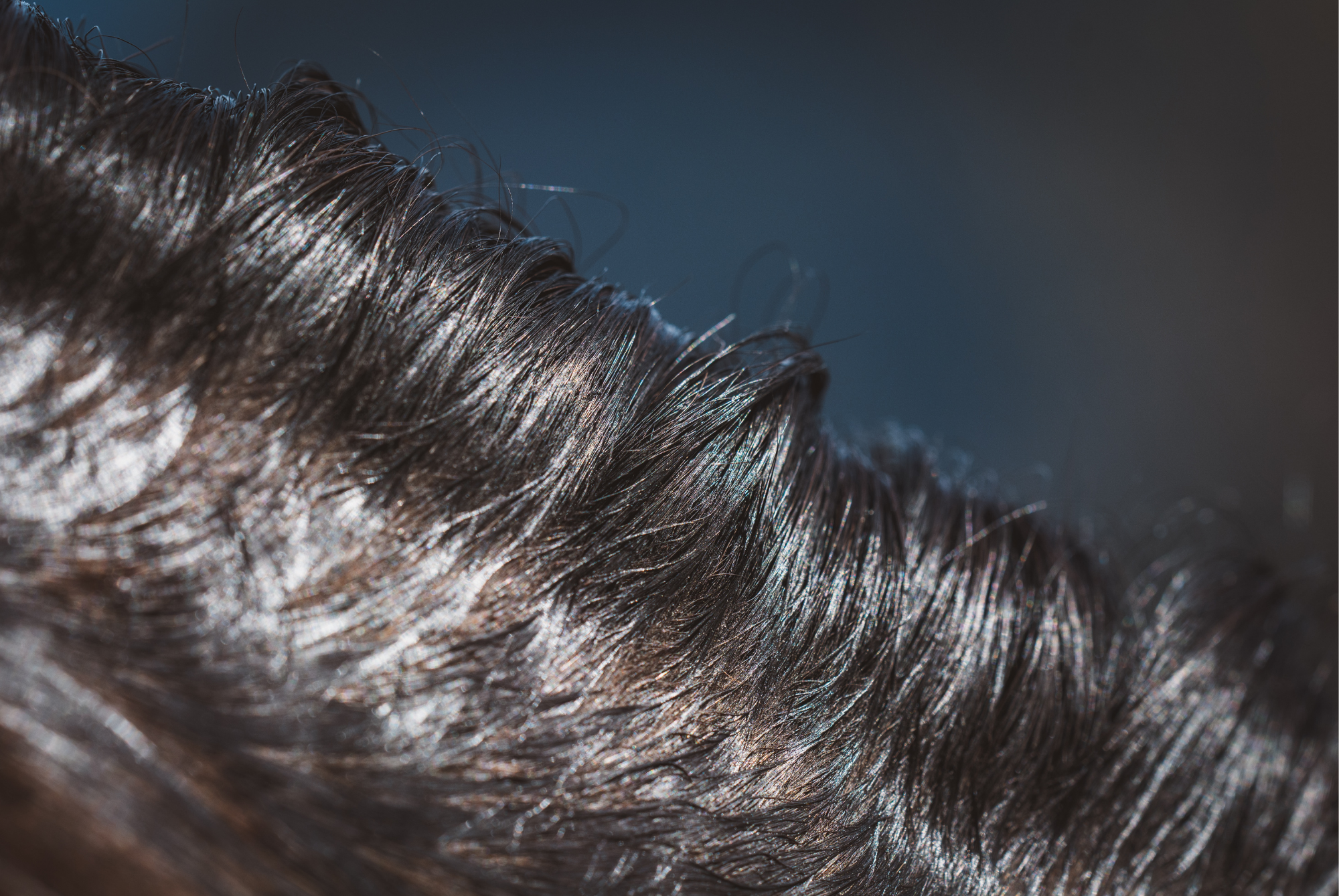
Oily hair can become more frequent if shampoo is too drying.

This is where the conversation gets a little more complicated.

You will often hear that if you strip your scalp of oil, it will “panic” and produce even more oil to compensate.

That explanation is oversimplified.

Your sebaceous glands don't simply turn on because you used a strong shampoo. Sebum production is influenced by biological factors that shampoo cannot completely reset.

But that does not mean an overly aggressive routine is harmless.

If your scalp becomes dry or irritated, you may start washing differently, using more products to compensate, or creating more buildup. And if you are constantly trying to remove every trace of oil, you can end up in a frustrating cycle where your scalp never feels comfortable and your hair never behaves the way you want it to.

So I would not tell a client, “Your scalp is producing extra oil because your shampoo stripped it.”

I would ask a better question:

Why does your scalp need such an aggressive cleansing routine in the first place?

Your Shampoo Might Be Too Strong If...

There is no single ingredient list that tells me whether a shampoo is “too harsh” for everyone. The right cleanser depends on your scalp, hair texture, styling routine, and how much buildup you actually have.

But there are some clues.

Your shampoo may be worth reconsidering if:

  • Your scalp feels tight immediately after washing
  • Your hair feels extremely dry or rough afterward
  • Your ends are becoming brittle while your roots are still oily
  • You feel like you need conditioner just to make your hair manageable
  • You are washing more frequently because your hair gets oily faster
  • Your scalp feels irritated or uncomfortable after washing
  • You are constantly rotating between oil-control and moisturizing products

None of these automatically means your shampoo is the problem.

But together, they tell me it is time to look at the entire routine rather than simply buying a stronger cleanser.

You Might Not Need to Wash Less. You Might Need to Wash Better.

This is an important distinction.

If your scalp genuinely gets oily quickly, washing more frequently is not automatically bad.

Someone with fine, straight hair and an oily scalp may need to shampoo more often than someone with thick, tightly coiled hair. Your lifestyle matters too. Exercise, sweat, styling products, climate, and even how much product you use can change how often your scalp needs cleansing.

The goal is not to train yourself to go seven days without shampoo.

The goal is to find the least aggressive routine that still keeps your scalp clean and comfortable.

That might mean washing every day.

It might mean every other day.

It might mean twice a week.

There is no prize for going the longest between washes.

Start With Your Scalp, Not Your Ends

Another mistake I see is shampooing the entire head like the lengths are the dirty part.

They aren't.

Your scalp is where most of the oil comes from.

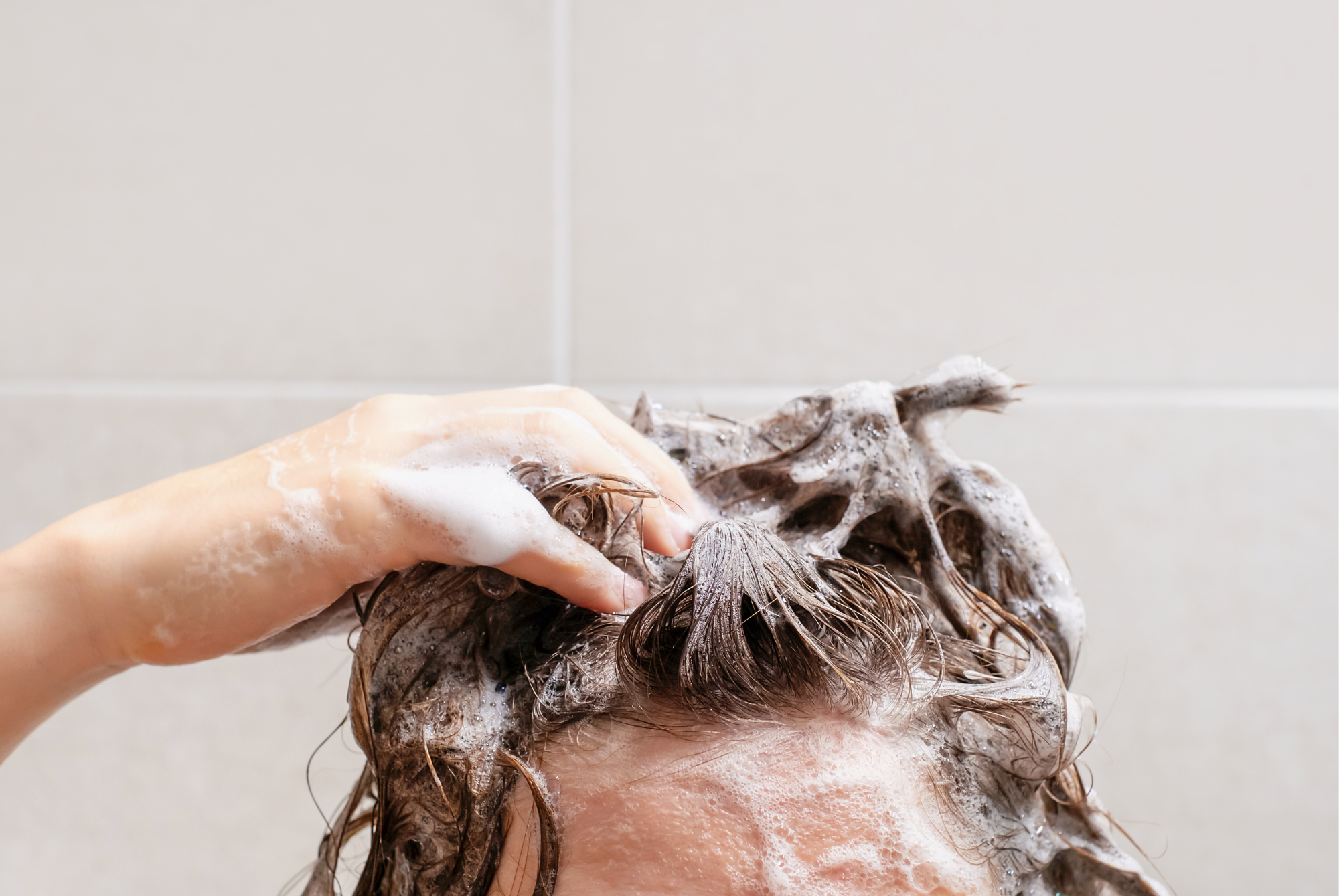
Apply shampoo primarily to the scalp and roots, gently massage it in, and let the lather move through the lengths as you rinse. You generally do not need to aggressively scrub your ends. HairProVoices' scalp-focused guidance similarly emphasizes concentrating shampoo on the scalp rather than treating the lengths like the main target.

Then condition where you actually need conditioning: usually the mid-lengths and ends.

This small change can make a surprisingly big difference if you have oily roots and dry ends.

What About Clarifying Shampoo?

Clarifying shampoo has a place.

If you use a lot of styling products, dry shampoo, oils, silicones, or other products that build up on your hair, an occasional clarifying wash can help remove residue that your regular shampoo may not fully address.

But clarifying is not necessarily the answer to everyday oiliness.

Think of it as a reset, not your default cleanser.

If you are clarifying every time your roots look oily, I would step back and ask why.

Sometimes the answer is that you genuinely have heavy buildup.

Sometimes the answer is that your everyday shampoo isn't a good match.

And sometimes you are simply washing your hair more aggressively than necessary.

Try This Instead

If your hair gets oily quickly, I would simplify the experiment.

For the next couple of weeks:

1\. Stop chasing the “squeaky clean” feeling.

Your scalp should feel clean, not stripped.

2\. Shampoo the scalp, not the lengths.

Use your fingertips to work the cleanser through the roots and let the rinse do most of the work on the ends.

3\. Don't automatically wash less.

If your scalp is oily, wash it when it needs to be washed.

4\. Use conditioner strategically.

Keep richer products away from the roots if they make your hair look greasy or flat.

5\. Save clarifying shampoo for buildup.

It is a tool, not necessarily an everyday solution.

6\. Pay attention to how your scalp feels.

Oiliness is not the only signal. Tightness, itching, flaking, irritation, and discomfort matter too.

The Bottom Line

If your hair gets oily quickly, the answer isn't necessarily a stronger shampoo.

And it isn't necessarily washing less, either.

Your scalp may simply need a different balance between cleansing and conditioning.

The biggest mistake is treating oil as something that must be eliminated completely. Your scalp naturally produces sebum, and your job is not to remove every last trace of it. Your job is to keep the scalp clean and comfortable without unnecessarily stripping it.

So the next time you wash your hair and your roots are oily again the following morning, don't immediately reach for the strongest shampoo on the shelf.

Ask yourself a different question:

Is my scalp actually oily—or am I stuck in a routine that is too aggressive for my hair?

Sometimes the solution to oily hair isn't more cleansing.

It is better cleansing.

About the Author

Delaney Cross
Delaney Cross

Stylist & Salon Owner · HairProVoices

Delaney Cross is a stylist and salon owner who has talked more clients into and out of trims than she can count, and has never once made anyone's hair grow faster by cutting it.

Newsletter

Get the Best Hair
Advice, Weekly

Join 85,000+ readers getting stylist-curated trend reports, care tips, and inspiration, straight to your inbox.

No spam, ever Weekly digest Unsubscribe anytime