
Low-maintenance hair color is one of the most requested services in salons right now. Clients want dimension, brightness, shine, and something that still looks good eight weeks later. What they do not want is a hard grow-out line, a toner that disappears in two shampoos, or a color that only looks right under salon lighting.
The problem is that “low-maintenance” means different things to different people.
To a client, it usually means fewer appointments. To a stylist, it means smarter placement, better tone selection, realistic lift, and a home-care routine that protects the work.
“Low-maintenance color is not lazy color. It actually takes more planning because you are designing the grow-out before you even mix the bowl.”
— Nina Patel, Colorist & Educator, Chicago
That is the part most clients do not see. The best low-maintenance color is built to age well.
First, Say What You Actually Mean by Low-Maintenance
This is where the consultation matters. If you sit down and say “I want something low-maintenance,” your stylist still has to decode what that means. The better way to ask is specific:
“I want my grow-out to look soft.”
“I do not want to touch up my roots every month.”
“I want brightness around my face, but I still want my natural base.”
“I can realistically come in every 10 to 12 weeks.”
“I want the color to fade nicely, not turn orange or dull.”
That gives your stylist something useful to work with.
“Clients think they are asking for a color. What they are really asking for is a maintenance schedule. Once we know that, we can design the color properly.”
— Marcus Bell, Colorist, London
The Color Terms That Usually Mean Low-Maintenance
Not every service is built to last. A global bleach-and-tone blonde is high-maintenance by design. A soft dimensional brunette or root-shadowed blonde is much easier to live with.
1. Lived-in color
Lived-in color usually means the root stays soft, natural, or intentionally shadowed. The brightness is placed through the mid-lengths and ends, so the color keeps its shape as it grows. It works especially well for brunettes, blondes, and brondes.
2. Root shadow
A root shadow softens the transition between your natural hair and the colored pieces. It prevents the “freshly highlighted stripe” look and buys you more time between appointments. This is one of the most important techniques for low-maintenance blondes.
3. Balayage
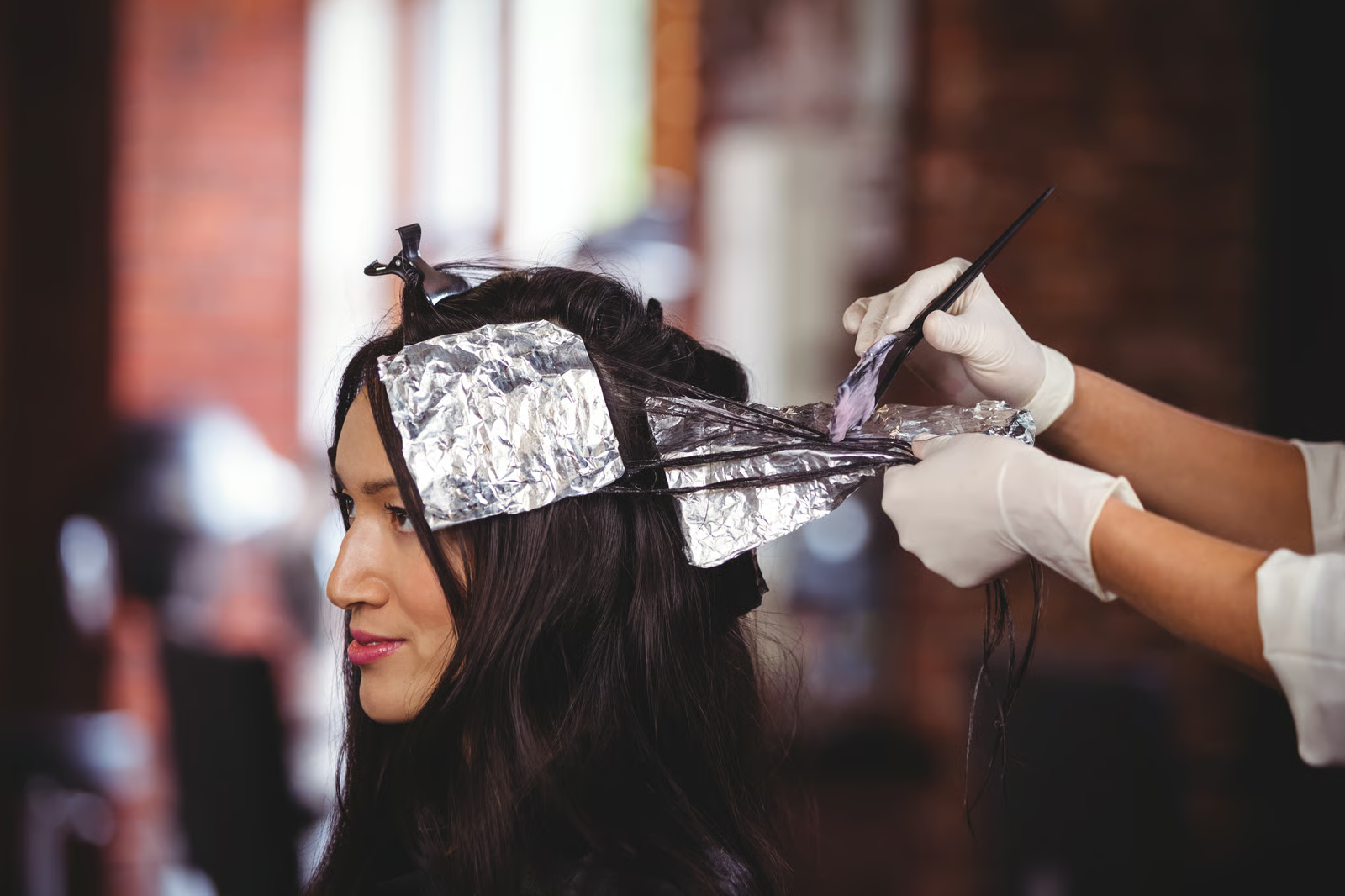
Balayage is hand-painted color designed to grow out softly. It does not mean zero upkeep, but it usually requires fewer touch-ups than traditional highlights. The best balayage still needs a gloss or toner appointment, especially if the hair lifts warm.
4. Dimensional brunette
For brunettes, low-maintenance often means keeping the base rich and adding subtle ribbons of warmth or brightness, espresso, chestnut, caramel, soft mocha, or golden brown. It gives movement without committing to constant root work.
5. Gloss or glaze
A gloss hair treatment is often the secret behind expensive-looking color. It refreshes tone, adds shine, and can make older color look intentional again. This is the appointment stylists love because it keeps the color alive without a full lightening service every time.

What Actually Makes Color Last
Long-lasting color is not just about the formula. It is about how the color is placed. Stylists are thinking about several things before they paint:
Your natural base color, The closer the final result stays to your natural level, the easier the maintenance.
Your undertone, If your hair naturally pulls orange, asking for icy beige blonde may mean constant toning. A warmer beige, caramel, or honey shade may last better.
Your hair history, Previous bleach, box dye, old toner, and permanent color all affect how evenly the hair lifts and fades.
Your haircut, Layered haircuts, face-framing pieces, and shorter shapes can all change where brightness should be placed.
Your lifestyle, Heat styling, washing frequency, sun exposure, swimming, and hard water can all shift color faster.
“Clients want the color to last, but they do not always realize their routine is part of the formula. If you wash daily with the wrong shampoo, no toner is surviving that.”
— Dana Reeves, Salon Owner, Nashville
The Best Low-Maintenance Color Families
Some shades naturally age better than others. That does not mean you cannot have the color you want, but it does mean your stylist may steer you toward a version that fits your real life.
Brunette
Brunette is one of the easiest families to keep low-maintenance, especially when the base is not pushed too far from natural. Ask for:
Soft espresso
Chestnut brown
Mocha brunette
Caramel ribbons
Subtle face-frame brightness
Avoid overly ashy brunette if your hair naturally pulls warm. It may look beautiful on day one and flat by week four.
Blonde
Blonde can be low-maintenance, but only if the root is handled correctly. Ask for:
Rooted blonde
Beige blonde
Honey blonde
Bronde
Soft money piece with a root melt
Avoid asking for bright, root-to-tip blonde if you do not want frequent appointments. That is not low-maintenance color. That is a relationship.
Red and copper
Copper is having a major salon moment, but it fades faster than most shades. If you want a lower-maintenance version, ask for a softer copper brunette, auburn gloss, or warm cinnamon dimension instead of a high-voltage orange copper.
“Copper is gorgeous, but it is honest. It will tell on you if you skip the home care.”
— Marcus Bell, Colorist, London
Gray blending
For clients with natural gray, the most low-maintenance option is often blending, not covering. Softer highlights, lowlights, glosses, and demi-permanent color can make the grow-out feel less severe. This is one of the biggest shifts stylists are seeing with clients over 40, they do not necessarily want to erase gray. They want it to look intentional.
What to Ask Your Stylist For
The best salon consultations are clear without being overly technical. You do not need to know formulas. You just need to communicate the result and the upkeep. Try saying:
“I want brightness, but I want my natural root left soft.”
“Can we do a root shadow so it grows out better?”
“I want something I can maintain with gloss appointments.”
“I do not want to be locked into monthly root touch-ups.”
“Can we keep the color within two to three levels of my natural base?”
“I want dimension, but I do not want chunky contrast.”
“I want the fade to still look expensive.”
That last line matters. Good color should not only look good fresh. It should fade well.
What Photos to Bring
Photos help, but only if you bring the right kind. Do not bring one heavily edited image and expect your stylist to reverse-engineer it. Bring a few examples and point out:
The root
The brightness around the face
The tone
The amount of contrast
The overall depth
A photo of the root is especially important. Most clients only save the bright ends. Stylists are looking at the top three inches.
“We can tell from a reference photo whether the color is going to be high-maintenance. If the root is erased, that client is coming back often.”
— Nina Patel, Colorist & Educator, Chicago
What to Avoid Asking For
Some requests sound low-maintenance but are not. Avoid these if your goal is longevity:
“Make me really bright all over.”, Full brightness usually means visible regrowth.
“I want icy blonde but low-maintenance.”, Icy tones fade quickly and need frequent toning.
“Can we cover all my gray permanently?”, You can, but expect a root line.
“I want a big change, but I do not want upkeep.”, Big changes usually require maintenance.
“Just do whatever.”, Stylists love trust, but low-maintenance color still needs boundaries.
The Home Care That Keeps Color Looking Expensive
This is where clients either protect the color or undo it. Your stylist may recommend:
Shampoo for color treated hair, Helps slow fading and keeps tone cleaner.
Hair serum or leave-in treatment, Especially useful for lightened ends that need shine and softness.
Hair moisturizer, Color lasts better when the hair is not dry and porous.
Glossing appointments, Refreshes tone and shine without a full color service.
Heat protection, Hot tools fade color faster than most clients realize.
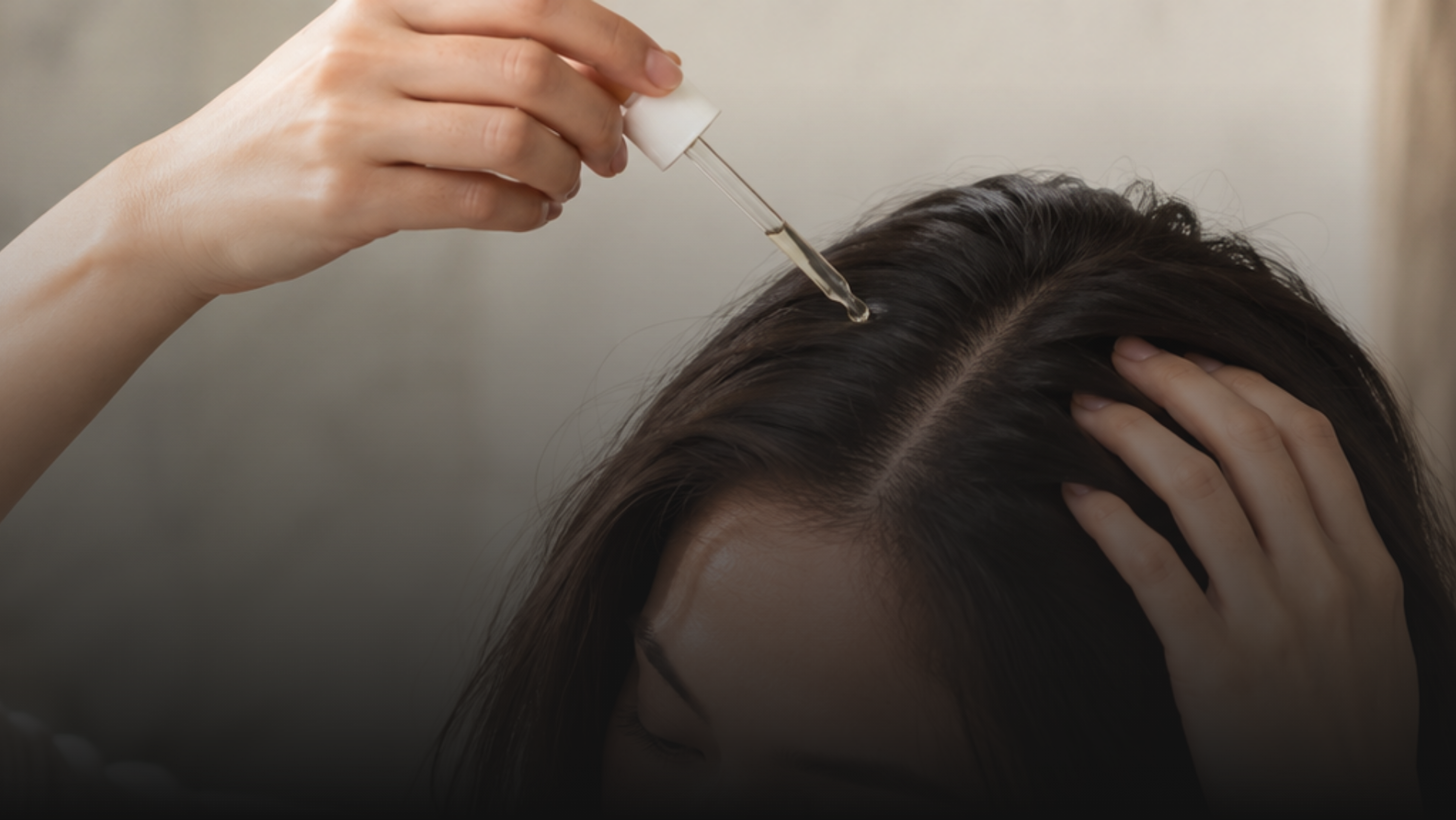
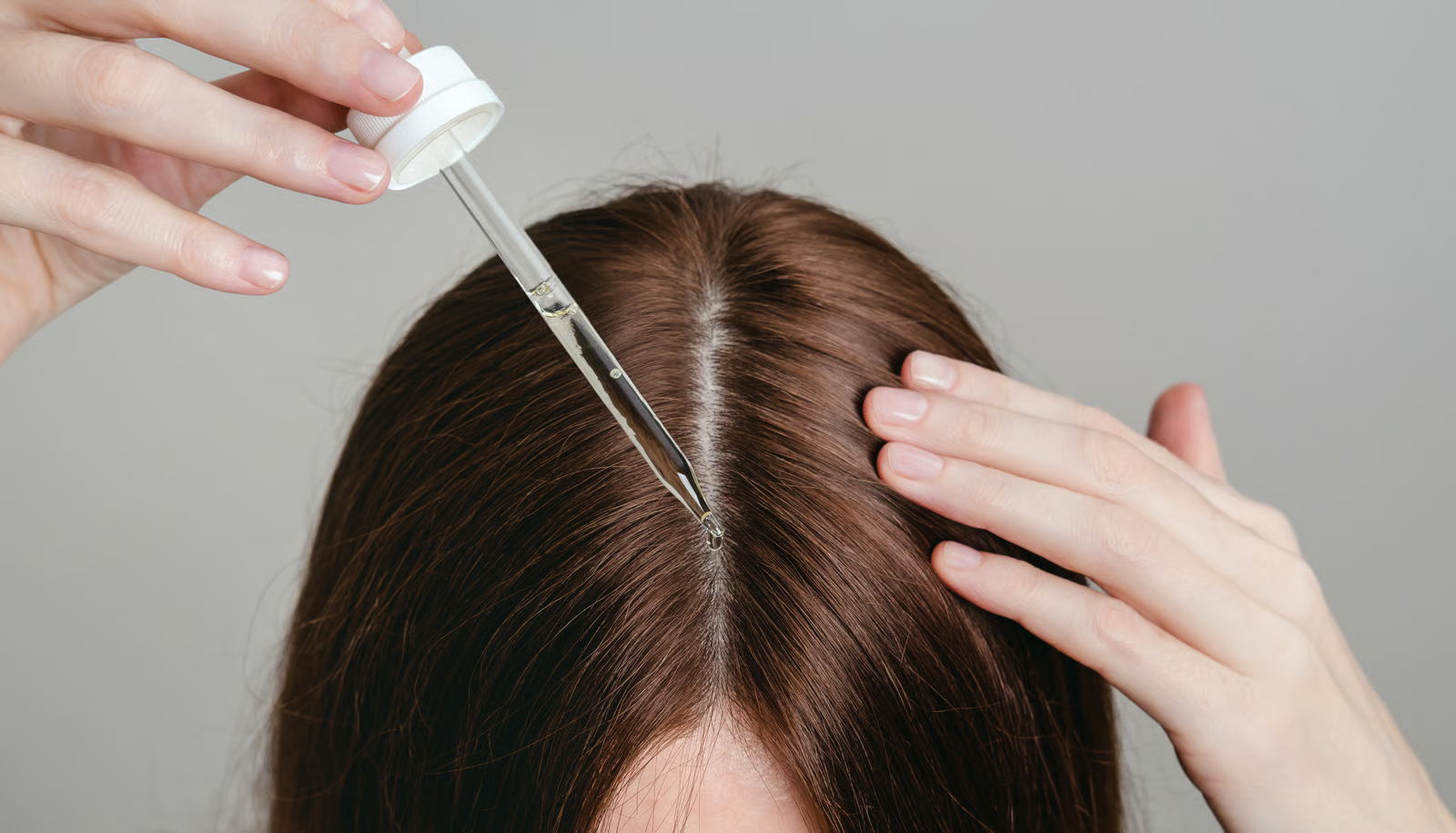
Scalp care, A healthy scalp supports better-looking hair overall.
Professional hair care products are not always about luxury. In color work, they are part of the maintenance plan.
How Often Should You Come Back?
This depends on the color, but most low-maintenance schedules look something like this:
Gloss refresh: every 6 to 8 weeks
Face-frame touch-up: every 8 to 12 weeks
Balayage refresh: every 3 to 5 months
Full color redesign: 1 to 2 times per year
The more natural the root and tone, the longer you can stretch it. The brighter and cooler the color, the sooner you will be back.
The Bottom Line
Low-maintenance color is not about doing less. It is about doing the right things in the right places. The root has to be soft. The tone has to work with your natural warmth. The brightness has to be placed where it will still make sense months later.
“The best low-maintenance color does not look forgotten at week ten. It looks like it was planned that way.”
— Dana Reeves, Salon Owner, Nashville
That is what you should ask for. Not just pretty color on day one, but color that grows out quietly, fades softly, and still looks like you meant it.