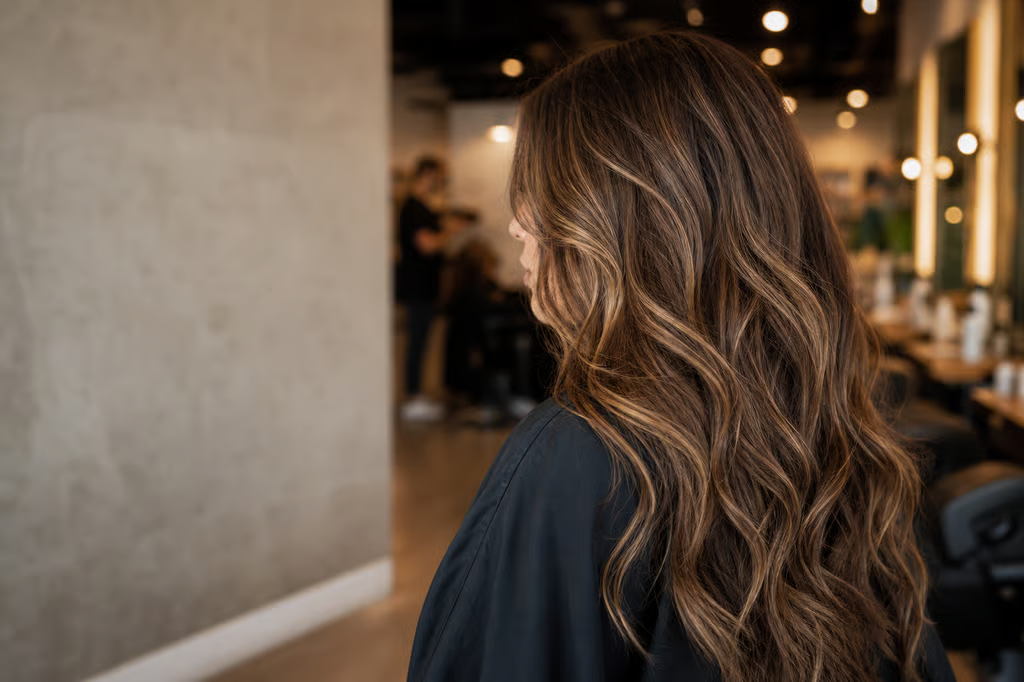
Balayage used to mean one thing to clients. Soft, beachy highlights and a Pinterest reference from ten years ago. What we're seeing in salons now is much more considered. The color sits deeper at the root, the brightness is placed with intention, and the finish reads expensive without looking overworked. In 2026, balayage is not just a look clients ask for. It is a technique stylists build around the person in the chair.
What Balayage Really Means
At the most basic level, balayage is a hand-painted lightening technique. No strict foil pattern, no uniform sections. Color is applied where the stylist wants light to live. But that definition is only half the story.
“Balayage is not about painting randomly. It is controlled placement. If you do it right, the client should not see where it starts. They just see better hair.”
— Nina Patel, Colorist & Educator, Chicago
That is the goal every time. Seamless, grown-in color that looks natural even when it is not.
Why Clients Keep Coming Back to It
Balayage fits how people actually maintain their hair now. Clients want dimension without feeling locked into a schedule. They want something that grows out softly, especially if they are juggling work, travel, and everything else.
This is why balayage continues to outperform traditional highlights in most salons:
- No harsh regrowth line
- Longer time between appointments
- Works on straight, wavy, and curly hair
- Adapts to different haircuts, from long layers to a pixie cut
It also photographs well, which matters more than ever. The soft blend and brightness around the face translate on camera in a way flat color does not.
Balayage vs Highlights, Explained Simply
This is where clients get mixed up, so we explain it every day. Traditional highlights are structured. They rely on foils, consistent sectioning, and root-to-end lift. The result is brighter but more uniform.
Balayage is different. It is visual, not mechanical.
- Light is painted where it flatters
- The root stays softer or shadowed
- The ends carry more brightness
- The overall effect is blended, not striped
Most of the best work we see now is actually a combination. A few foils at the hairline, balayage through the lengths, and a toner or gloss to finish.
Why No Two Balayage Clients Look the Same
If balayage looks identical on every client, something is off. A good stylist is adjusting everything in real time:
- Natural base color
- Hair density and texture
- Previous color history, especially bleach
- Skin tone and undertone
- Overall hair health
“On curly clients, I am painting for how the hair falls dry, not how it looks wet. You have to respect the pattern or the color disappears.”
— Alana Brooks, Curl Specialist
That is why balayage on curly hair often looks softer but more dimensional. The placement follows movement, not sections.
What Happens During a Real Balayage Appointment
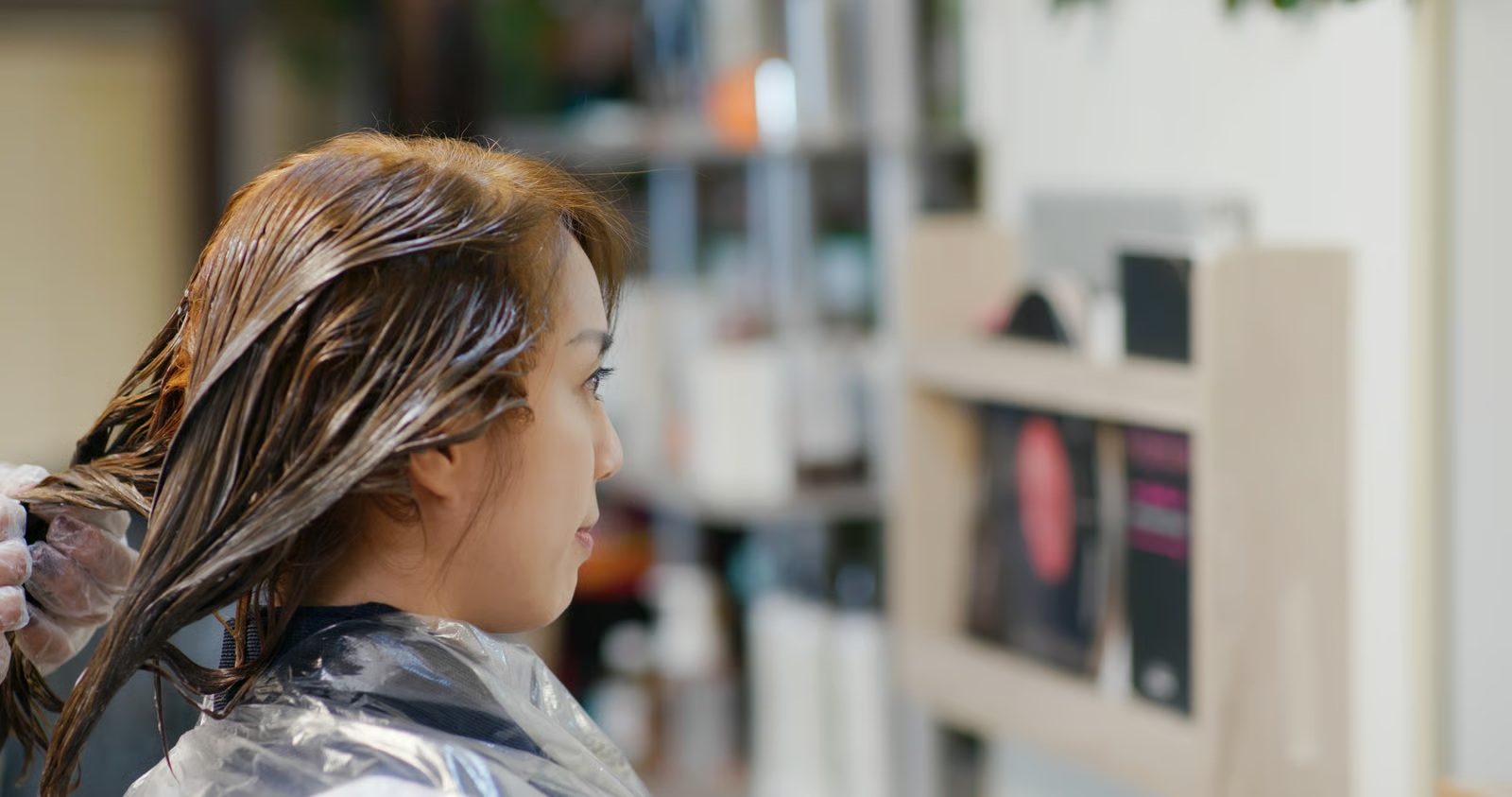
From the outside, it can look simple. A brush, some lightener, and a few painted pieces. Behind the chair, it is much more controlled.
Sectioning based on the haircut, The color follows layers and shape, not a perfect grid.
Soft diffusion at the root, No hard starting lines. Everything is blended upward.
Controlled saturation, Too little product leads to patchy lift. Too much creates heavy bands. This is where experience shows.
Focused brightness, The face frame and part line get the most attention. That is what clients notice first.
Toning and finishing, A gloss or toner refines the result, adds shine, and locks in tone. This step is what makes balayage look polished instead of unfinished.
Maintenance, According to Stylists
Balayage is lower maintenance, but it is not maintenance-free. Color fades, especially on lighter pieces. Tone can shift warmer over time. And lightened hair needs support.
What we are recommending in salons right now:
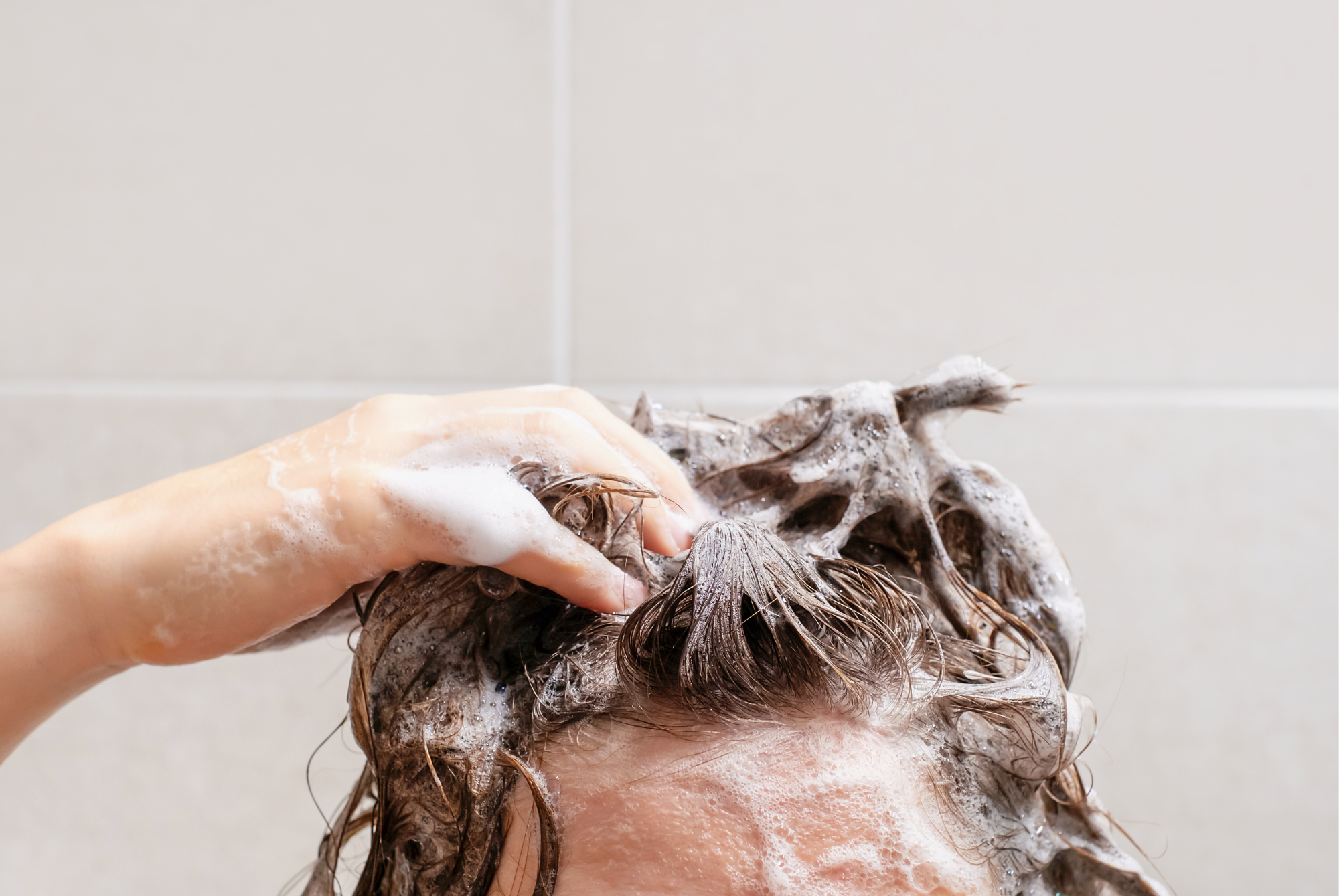
- A shampoo for color-treated hair to hold tone
- A lightweight leave-in treatment for shine
- A hair moisturizer or protein treatment if the ends feel dry
- Regular scalp care to keep the foundation healthy
“You cannot have expensive-looking color sitting on an unhealthy scalp. The finish starts at the root, literally.”
— Marcus Bell, Colorist, London
When Balayage Is Not a One-Session Service
This is the part clients do not always expect. If the hair has box dye, heavy previous color, or damage, lifting to a bright balayage in one appointment is not always realistic.
In those cases, stylists are spacing it out and protecting the hair:
- Bond-building or protein treatments during the service
- Hair breakage treatment after
- Sometimes the best decision is to slow down, health first, then brightness
Why Stylists Prioritize Balayage
There is a reason balayage is on almost every service menu. It allows for customization, which means better results and higher service value. It also creates visible transformation without constant upkeep, which keeps clients loyal.
And from a business standpoint, it opens the door to retail. Haircare products, glosses, and treatments all support the color and extend the result.
The Bottom Line
Balayage today is not a trend clients bring in on their phone. It is a core skill that defines how modern color is done. Done well, it grows out clean, complements the haircut, and works with the client's natural features instead of fighting them.
“Good balayage should look like you were born with it. Great balayage makes people ask where you go.”
— Nina Patel