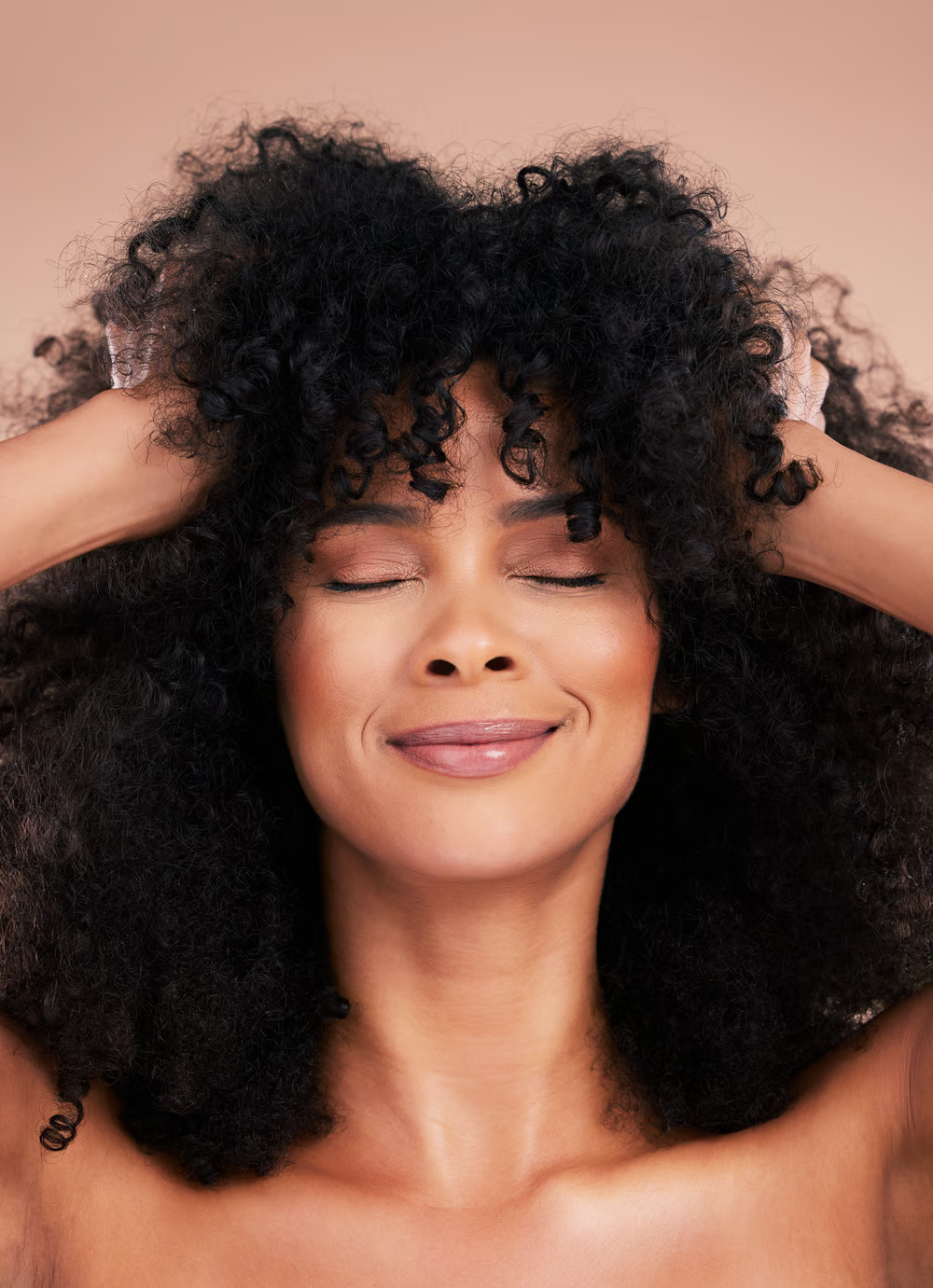

Smoothing hair is where clients and stylists often talk past each other.
A client says “I want my hair smoother,” and usually means less frizz, more shine, easier styling, and something that does not puff up the second they step outside. A stylist hears something more specific: cuticle condition, porosity, humidity response, heat history, and whether the hair needs moisture, protein, or actual chemical smoothing.
That is why there is no single smoothing product that works for everyone. In the salon, smoothing is built in layers.
“Smooth hair is never one product. It is the right prep, the right treatment, and the right finish. If one of those is wrong, the hair tells on you.”
— Nina Patel, Colorist & Educator, Chicago
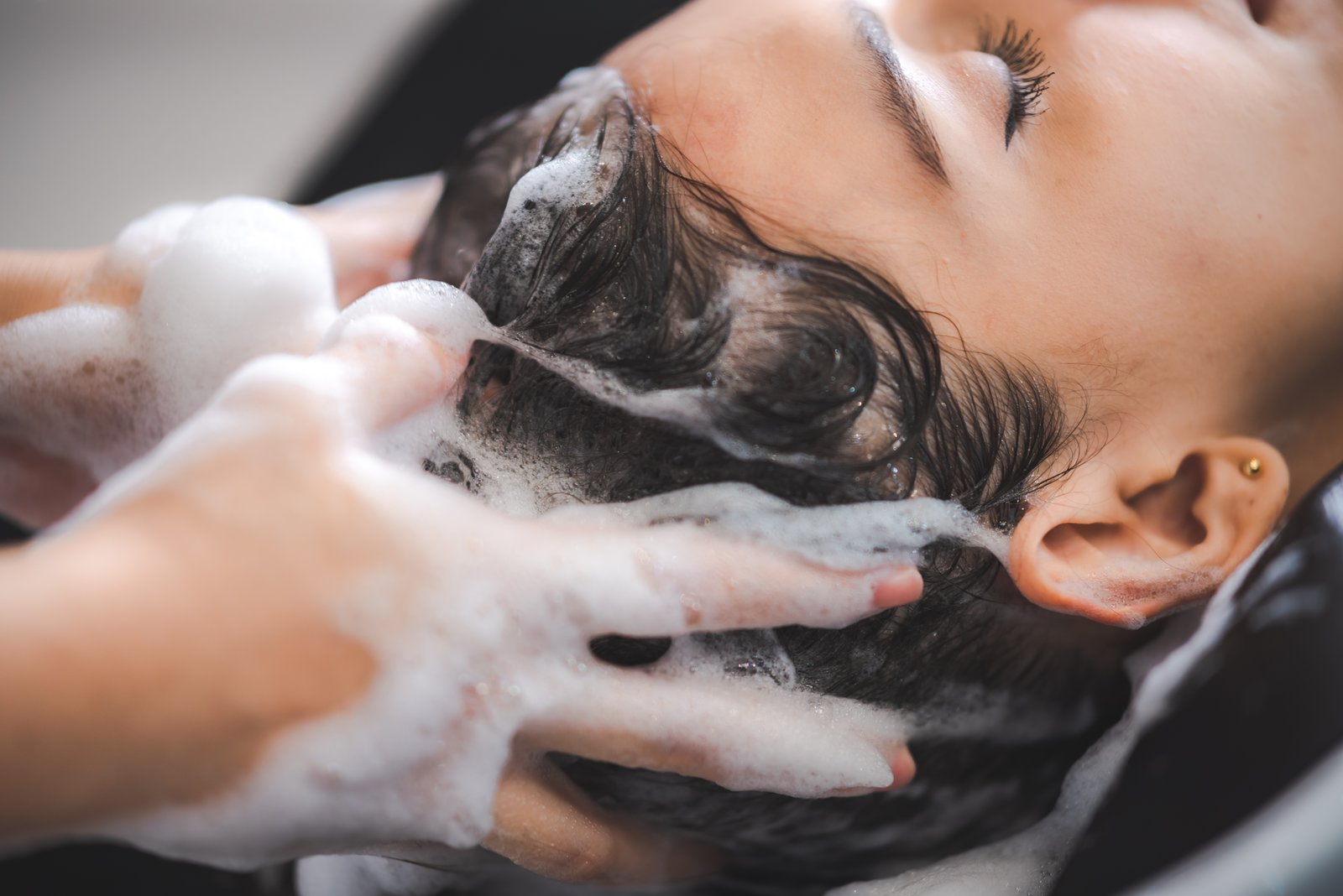
It Usually Starts With the Wash
The first smoothing decision happens before styling even begins. If the shampoo is too harsh, the hair swells, the cuticle lifts, and the finish gets rough before the blow-dry starts.
Stylists usually reach for a smoothing shampoo and conditioner when the hair feels dry, coarse, frizzy, or overworked. For colored clients, a shampoo for color treated hair matters because faded, porous color often looks frizzier than it really is.
“People blame the weather, but half the time it is the shampoo. If the hair is stripped in the shower, you are already fighting frizz before you pick up a brush.”
— Marcus Bell, Colorist, London
Then Comes the Treatment Layer
When stylists talk about smoothing, they are often talking about repair. Frizz is not always a hair type issue. A lot of the time, it is damage, bleach, heat tools, old color, rough brushing, and chemical services all create openings in the cuticle. Once the cuticle is uneven, the hair stops reflecting light and starts grabbing moisture from the air.
That is when a stylist may recommend a hair treatment for damaged hair, a protein treatment for hair, or a deeper moisturizing mask. These are not just “nice extras.” They help the strand behave better.
For clients with severe hair breakage and thinning, smoothing has to be approached carefully. Heavy products can make the hair look flatter, but skipping treatment leaves the ends looking frayed. The sweet spot is usually lightweight repair, not coating the hair until it collapses.
Leave-In Products Do Most of the Daily Work
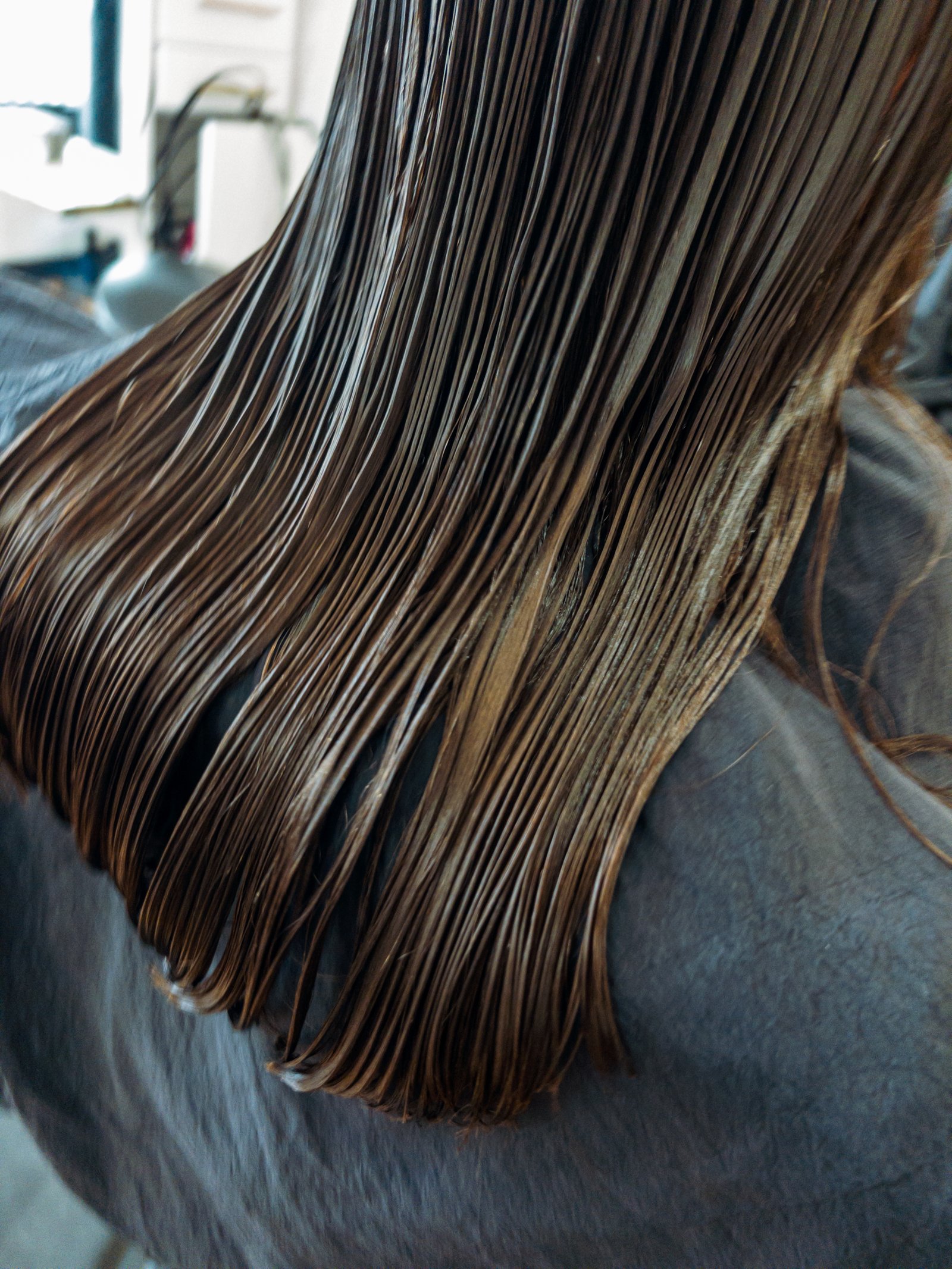
If there is one category stylists rely on constantly, it is leave-in smoothing care. A leave-in hair treatment gives the hair slip, softness, and control before styling. A creamier formula works well on thick, coarse, dry hair. A lighter hair serum is better for fine hair that gets greasy or flat quickly.
The mistake clients make is using too much. Stylists rarely load the hair from root to end. They work product through the mid-lengths and ends, then use what is left on the hands to skim the surface.
“Most smoothing products are not bad. They are just overused. The difference between glossy and greasy is usually one extra pump.”
— Dana Reeves, Salon Owner, Nashville
For Real Frizz Control, Stylists Use Heat-Activated Products
A salon blowout does not last longer by accident. Stylists often use blow-dry creams, heat protectants, and smoothing lotions that are designed to activate with heat. These products help seal the cuticle as the hair is dried into shape.
That is why the same client can use a serum at home and still not get the salon finish. The product matters, but the blow-dry technique matters just as much. Tension, airflow, section size, and heat direction all decide whether the cuticle lies flat.
For clients who use hot tools often, this step is non-negotiable. Heat without protection may look smooth for the day, but over time it creates the exact frizz and breakage the client is trying to fix.
Salon Smoothing Treatments Are a Different Category
Keratin treatments, hair botox, and other professional smoothing services sit in their own lane. These are for clients who want smoother hair for weeks or months, not just until the next wash. They are especially helpful for hair that expands in humidity, takes too long to blow-dry, or never feels polished without heavy styling.
But modern smoothing treatments are not always about making the hair pin-straight. Most stylists are using them to soften frizz, improve manageability, and cut down styling time while keeping some natural movement.
“Clients used to ask for straight hair. Now they ask for hair that behaves. That is a very different consultation.”
— Marcus Bell, Colorist, London
A good stylist will look at the hair's condition first. If the hair is over-bleached, fragile, or already breaking, the formula and timing need to be adjusted. Smooth should never come at the expense of strength.
The Finish Is Usually a Serum or Oil
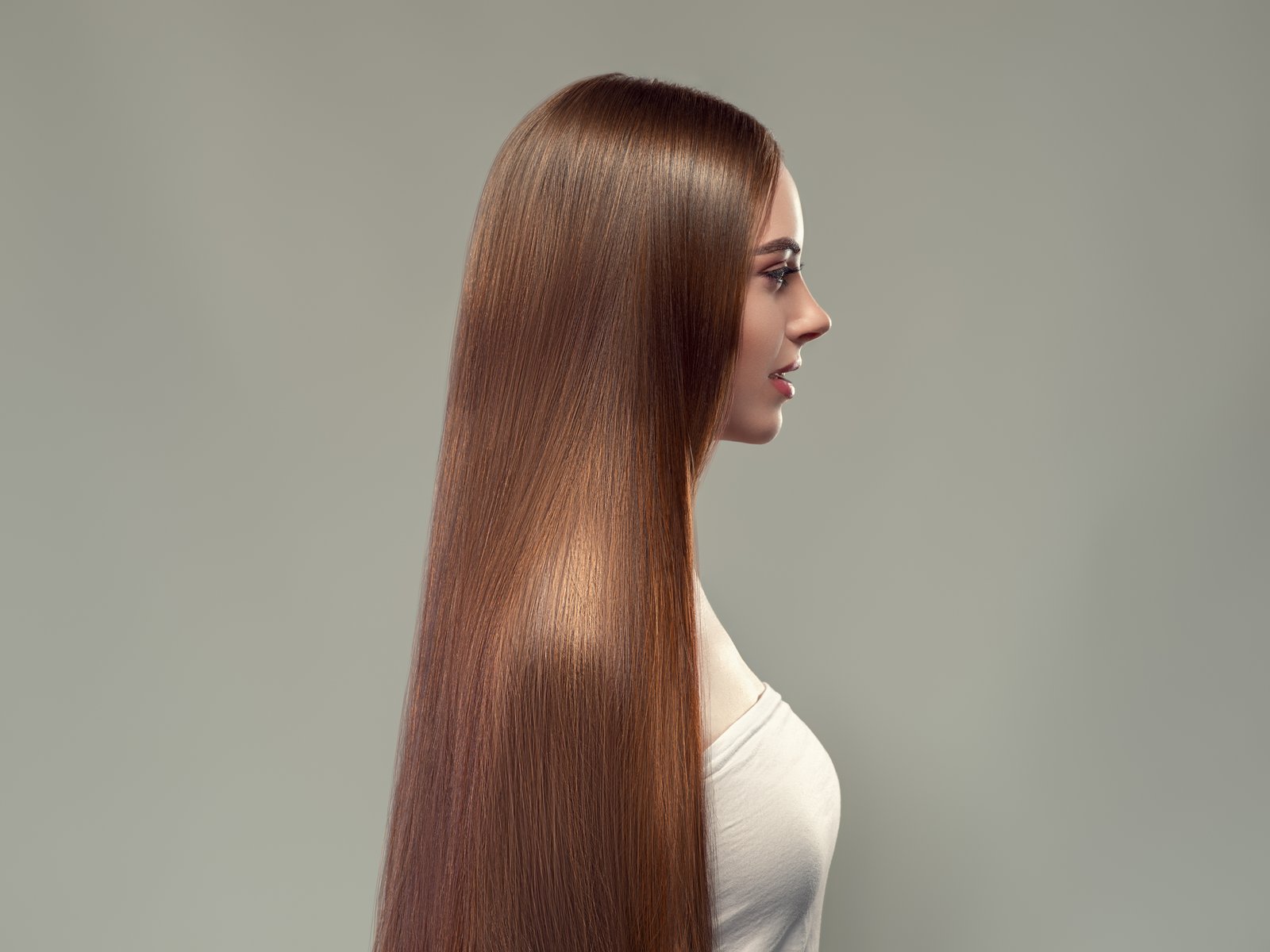
The final polish often comes from a hair serum or lightweight oil. This adds shine, controls flyaways, and makes the ends look cleaner. But finishing products are not repair products, they make the hair look better in the moment. They do not replace treatments, moisture, or a proper smoothing routine.
For fine hair, stylists usually keep this step very light. For coarse, curly, or dry hair, they may use a richer oil, especially through the ends. The goal is reflection, not weight.
Scalp Care Matters More Than Clients Think
Smoothing is not only about the ends. A dry, tight, or irritated scalp can affect how the root area sits, especially on clients who deal with flakes, buildup, or oil imbalance.
That is why more stylists are adding scalp treatment, dry scalp treatment, scalp moisturizer, or scalp oil into the conversation. If the scalp is congested, the roots can look dull and flat. If the scalp is dry, the hair can feel rough right from the base.
What Stylists Actually Want Clients to Understand
The best smoothing routine is not the most expensive one. It is the one that matches the hair.
- Fine, frizzy hair usually needs lightweight leave-in care and heat protection
- Thick, coarse hair may need richer creams and deeper treatments
- Color-treated or bleached hair often needs repair before it can look smooth
- Curly and wavy hair needs smoothing products that control frizz without erasing texture
“Good smoothing is personal. Two clients can both say they have frizz, but one needs moisture and the other needs protein. If you treat them the same, one of them is going to hate the result.”
— Nina Patel, Colorist & Educator, Chicago
The Bottom Line
Stylists do not rely on one miracle smoothing product. They build smoothness through cleansing, treatment, leave-in care, heat protection, and finishing products. When the system is right, hair looks softer, shinier, and more controlled without feeling heavy.
The real secret is knowing what kind of smoothing your hair actually needs. Because sometimes the answer is a serum. Sometimes it is a protein treatment. Sometimes it is a keratin service. And sometimes it starts with changing your shampoo.