Hair color has always carried a mood. Before gloss bowls, toner charts, balayage boards, and bond builders, people were already using plants, minerals, sunlight, and early chemistry to change the way hair looked and felt.
From a stylist's perspective, that part is fascinating. The tools have changed completely, but the client desire feels very familiar. People have always wanted hair that feels softer, richer, brighter, bolder, younger, more polished, or more personal.
"A good hair color tells us two things: how the client wants to feel and how they want to be seen."
Hair Color Through the Ages: A Quick Timeline
Era / Region
Ancient Egypt
What People Used
Henna and plant-based pigment
What It Represented
Ritual, beauty, warmth, status
What Stylists See Today
Copper, auburn, cinnamon brunette
Era / Region
Ancient China
What People Used
Herbal and mineral formulas
What It Represented
Youthfulness, refinement, dark glossy hair
What Stylists See Today
Gray coverage, black gloss, rich brunette
Era / Region
Indian subcontinent and henna cultures
What People Used
Henna for hair, skin, and ceremony
What It Represented
Celebration, beauty, tradition
What Stylists See Today
Warm red glosses, natural stain, shine
Era / Region
Indigenous Americas
What People Used
Plants, clays, minerals, natural pigments
What It Represented
Identity, ceremony, adornment, storytelling
What Stylists See Today
Color as personal expression
Era / Region
Ancient Mediterranean and Rome
What People Used
Plant dyes, metals, ash, natural mixtures
What It Represented
Fashion, status, tone shifting
What Stylists See Today
Blonding, darkening, tonal correction
Era / Region
Renaissance Venice
What People Used
Lightening recipes and sun exposure
What It Represented
Golden hair as a beauty ideal
What Stylists See Today
Honey blonde, vanilla blonde, soft bronde
Era / Region
19th century chemistry
What People Used
Synthetic dye discoveries
What It Represented
More control, stronger color science
What Stylists See Today
Modern formulation begins
Era / Region
Early 20th century salons
What People Used
Professional hair dye systems
What It Represented
Color becomes a salon craft
What Stylists See Today
Consultations, formulas, shade families
Era / Region
1950s and beyond
What People Used
Home color and mass advertising
What It Represented
Everyday beauty maintenance
What Stylists See Today
Natural gray coverage, polished brunettes
Era / Region
1970s to now
What People Used
Bleach, vivid color, fashion shades
What It Represented
Rebellion, personality, self-expression
What Stylists See Today
Vivids, color blocking, peekaboo panels
| Era / Region | What People Used | What It Represented | What Stylists See Today |
|---|---|---|---|
| Ancient Egypt | Henna and plant-based pigment | Ritual, beauty, warmth, status | Copper, auburn, cinnamon brunette |
| Ancient China | Herbal and mineral formulas | Youthfulness, refinement, dark glossy hair | Gray coverage, black gloss, rich brunette |
| Indian subcontinent and henna cultures | Henna for hair, skin, and ceremony | Celebration, beauty, tradition | Warm red glosses, natural stain, shine |
| Indigenous Americas | Plants, clays, minerals, natural pigments | Identity, ceremony, adornment, storytelling | Color as personal expression |
| Ancient Mediterranean and Rome | Plant dyes, metals, ash, natural mixtures | Fashion, status, tone shifting | Blonding, darkening, tonal correction |
| Renaissance Venice | Lightening recipes and sun exposure | Golden hair as a beauty ideal | Honey blonde, vanilla blonde, soft bronde |
| 19th century chemistry | Synthetic dye discoveries | More control, stronger color science | Modern formulation begins |
| Early 20th century salons | Professional hair dye systems | Color becomes a salon craft | Consultations, formulas, shade families |
| 1950s and beyond | Home color and mass advertising | Everyday beauty maintenance | Natural gray coverage, polished brunettes |
| 1970s to now | Bleach, vivid color, fashion shades | Rebellion, personality, self-expression | Vivids, color blocking, peekaboo panels |
1. Ancient Egypt: The Original Warm Gloss
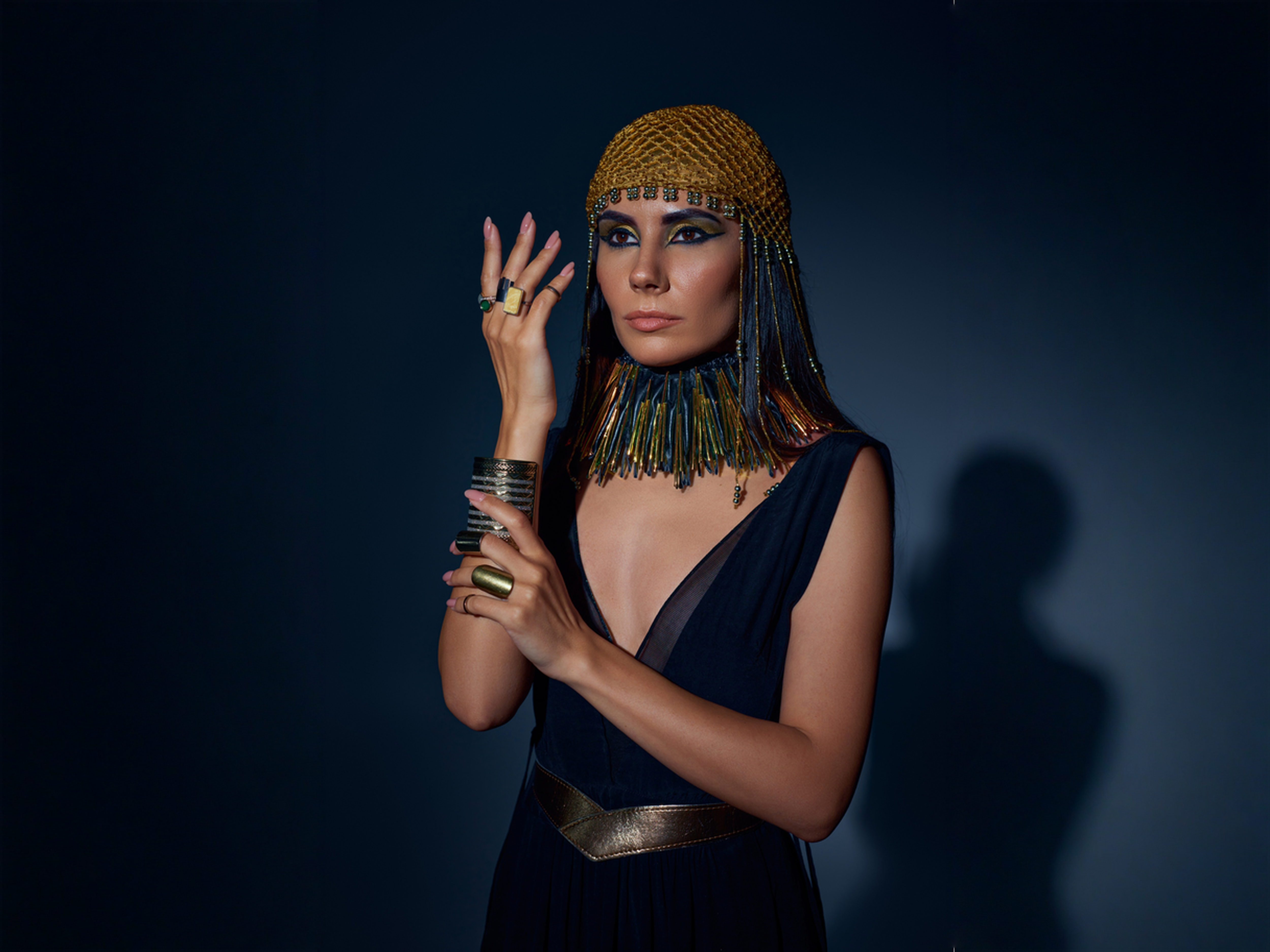
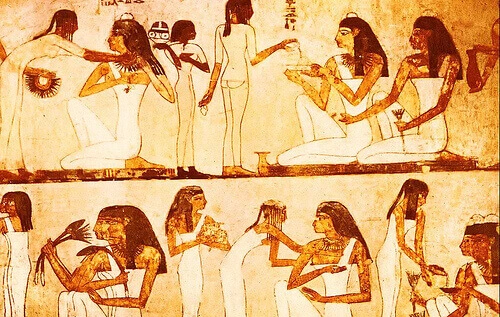
One of the earliest beauty stories in hair color starts with henna. In ancient Egypt, henna was used to stain mummies and mummy wrappings, and some mummies have been found with red hair dyed by henna. That tells us hair color was connected to ritual, preservation, and beauty long before modern salons existed.
From behind the chair, this feels very full circle. Warmth is still one of the most powerful ways to make hair look alive. Copper, auburn, cinnamon brown, and soft chestnut all bring that same richness clients love when they want their hair to catch light beautifully.
Warm tones have staying power because they make the hair look glossy, healthy, and dimensional.
2. Ancient China: Dark Hair, Youth, and Refinement
Ancient Chinese hair-coloring traditions also deserve a clear place in the story. Research on reconstructed Chinese hair colors notes that recipes for herbal and mineral hair color were documented from the Jin Dynasty period, including formulas for coloring white hair and beards black.
That sounds historical, but the salon connection is very current. A lot of clients still come in asking for rich dark hair because it feels polished, youthful, and clean. The modern version may be a soft black gloss, a deep espresso brunette, or gray coverage that blends naturally through the hairline.
Dark color looks simple, but it needs balance. Too flat can feel heavy. Too ashy can look dull. The prettiest dark shades usually have shine, softness, and a customized undertone.
3. Indigenous Americas: Color as Identity and Storytelling
Across Indigenous communities in the Americas, natural pigments from plants, minerals, and clay have been used for decoration, ceremony, craft, hair, and body adornment. The U.S. Forest Service notes that native plant dyes have been used to decorate animal skins, fabrics, crafts, hair, and bodies.
This part of the history should be handled with respect because meanings vary by community. Still, the larger beauty takeaway is clear: color has often carried identity, symbolism, and story.
In the salon today, we see a modern version of that same idea. Some clients choose cherry cola brunette because it feels confident. Some choose icy blonde because it feels fresh. Some choose hidden panels of pink or blue because they want a little personality without changing their whole look.
Color is visual language. Even a subtle gloss says something.
4. Ancient Rome and the Early Blonding Conversation
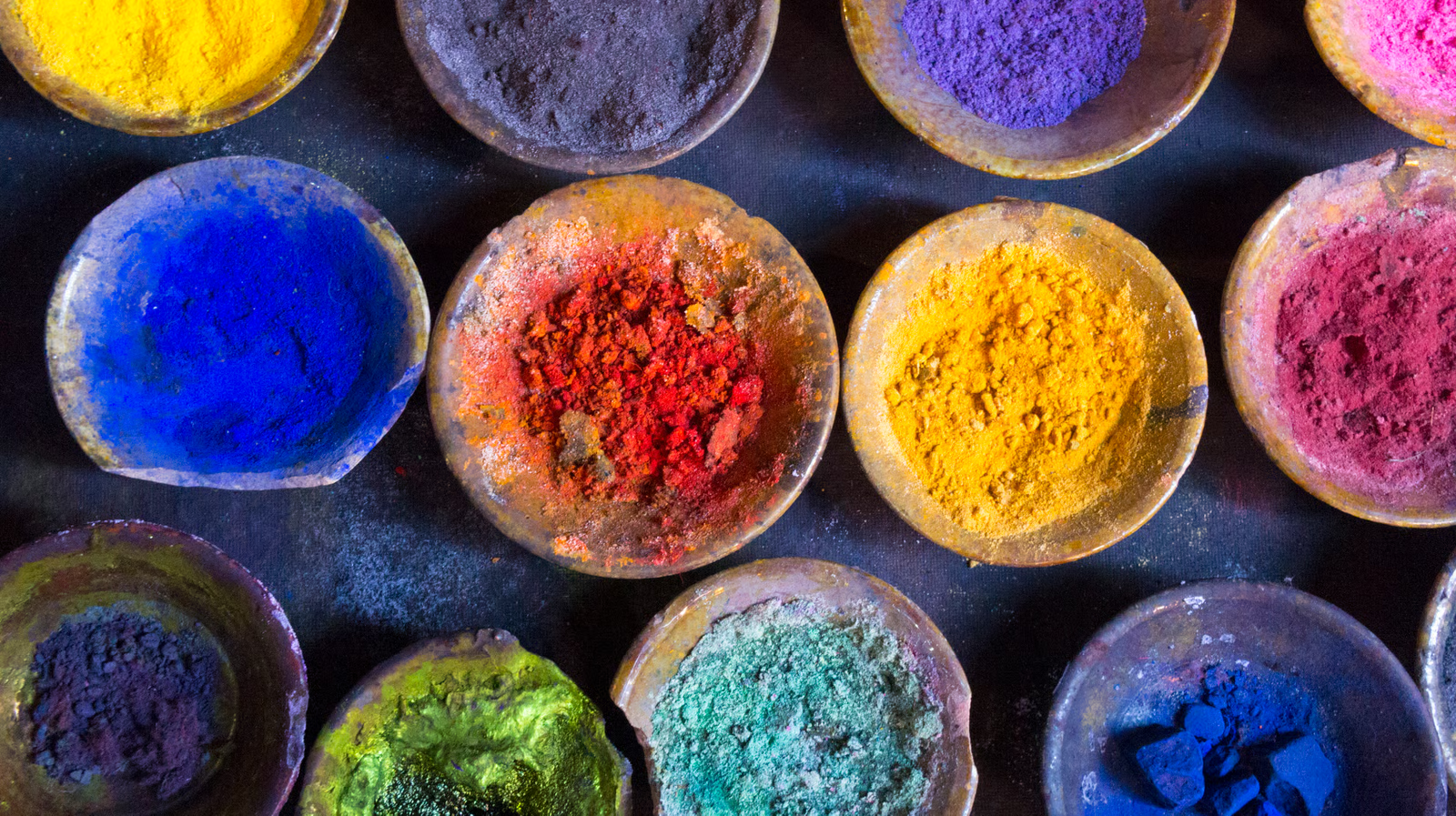
Ancient Mediterranean hair-coloring practices used naturally occurring materials from plants and minerals, and historical summaries describe Roman hair dyes made from ingredients such as henna, saffron, beechwood ash, and other natural mixtures.
To a colorist, this reads like the earliest version of tone shifting. People were already trying to go warmer, darker, brighter, or lighter. The desire to change the reflection of the hair is ancient.
The professional difference today is control. We understand lift levels, underlying pigment, developer strength, porosity, toner timing, and bond support. Blonding still has glamour, but the modern salon approach is much more strategic.
What clients ask for now:
- "I want to be brighter around my face."
- "I want blonde, but soft."
- "I want it to grow out pretty."
- "I want lighter hair without losing shine."
Those requests are never one-size-fits-all. A soft beige blonde and a high-contrast platinum require completely different plans.
5. Renaissance Venice: Golden Hair Becomes the Moment
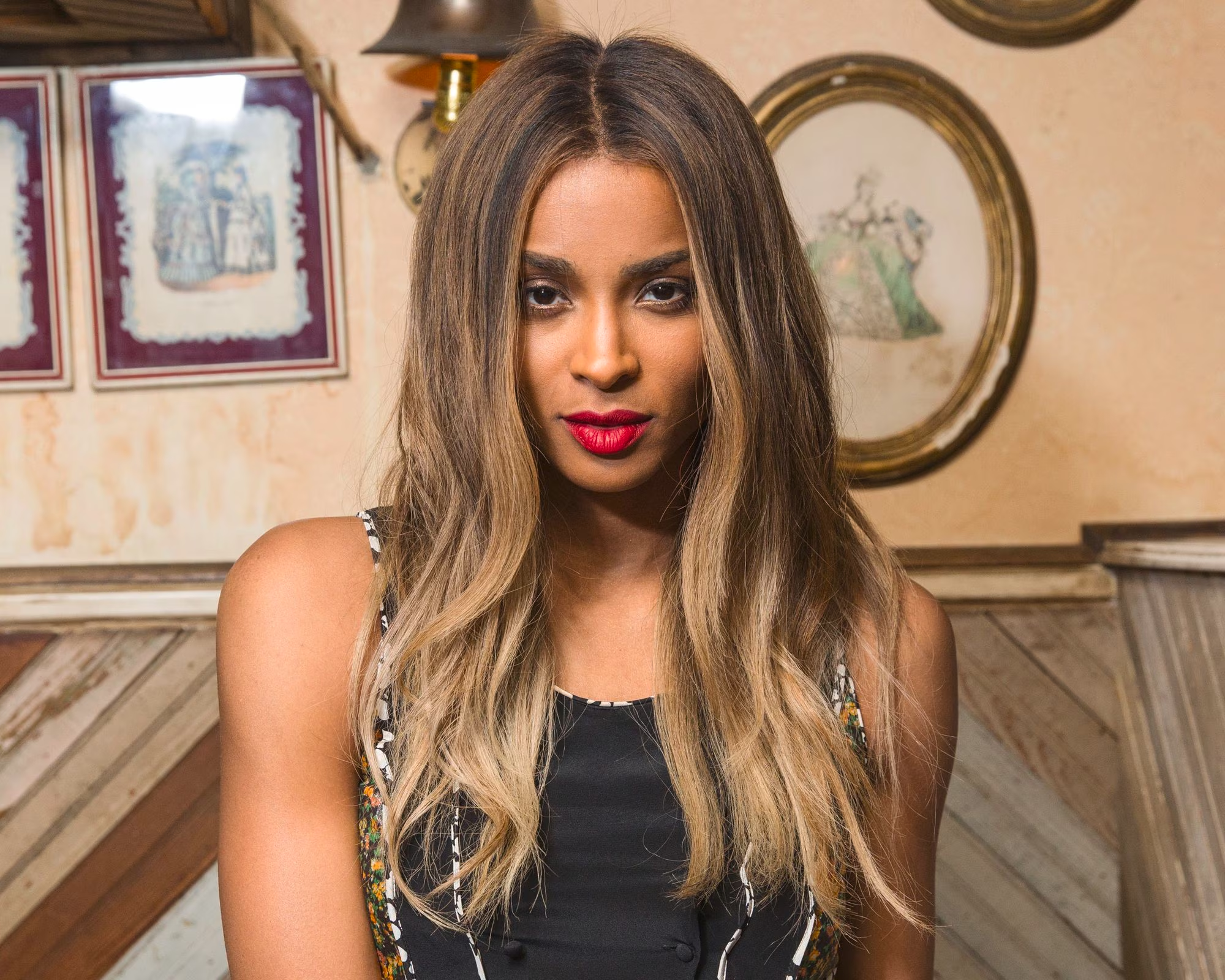
By the Renaissance era, blonde hair had a strong beauty pull, especially in places like Venice. The Walters Art Museum discusses a Venetian cosmetic manuscript from around 1500 that included hair-lightening recipes, showing how intentional beauty routines had become.
As stylists, we still see this every day. Blonde is one of the most requested transformations because it changes the way the face reads. It can soften, brighten, lift, or create that fresh "new season" feeling.
The chic salon version today is placement-led. We use face-framing highlights, root melts, lowlights, glosses, and toners to make blonde feel wearable.
6. The Chemistry Shift: Color Becomes More Predictable
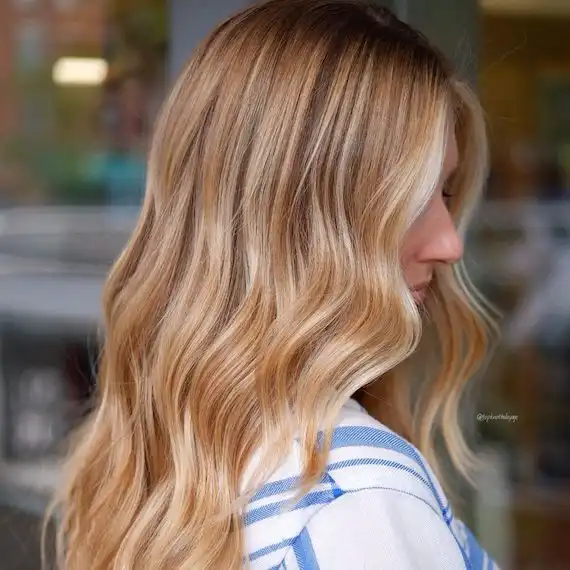
A major turning point came in 1856, when William Henry Perkin accidentally discovered mauveine, the first commercialized synthetic dye. That discovery helped open the door to synthetic dye chemistry and a new era of color control.
That moment matters to the beauty industry because modern hair color depends on chemistry. Every formula a colorist mixes is built on control: tone, depth, lift, deposit, timing, and condition.
"Color became a craft when we stopped guessing and started formulating."
This is where hair color begins to feel closer to the professional salon world we know today.
7. The Birth of Professional Salon Color
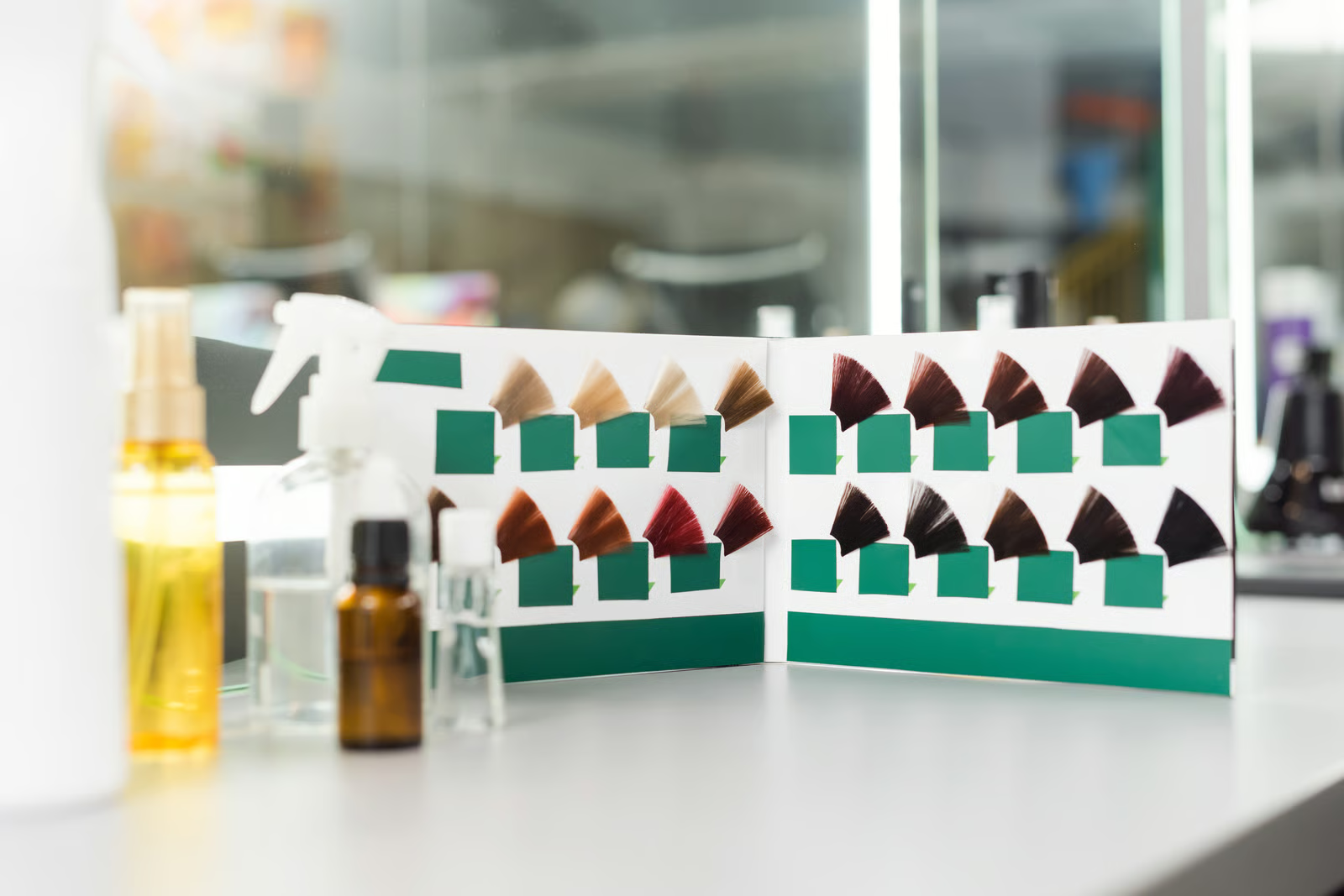
In 1907, Eugène Schueller launched his first hair dyes, and two years later he founded the company that became L'Oréal. L'Oréal's own history connects the brand's beginning to early hair dye innovation and professional beauty science.
This changed the industry language. Hair coloring became more connected to salons, stylists, formulas, education, and client trust.
Today, a client may bring in an inspiration photo, but the stylist has to translate that photo into a realistic formula based on:
- Natural level
- Previous color
- Hair density
- Porosity
- Scalp sensitivity
- Undertone
- Maintenance schedule
- Desired finish
That is where professional color becomes more than product. It becomes judgment, experience, and technical skill.
8. The 1950s: Hair Color Becomes Everyday Beauty
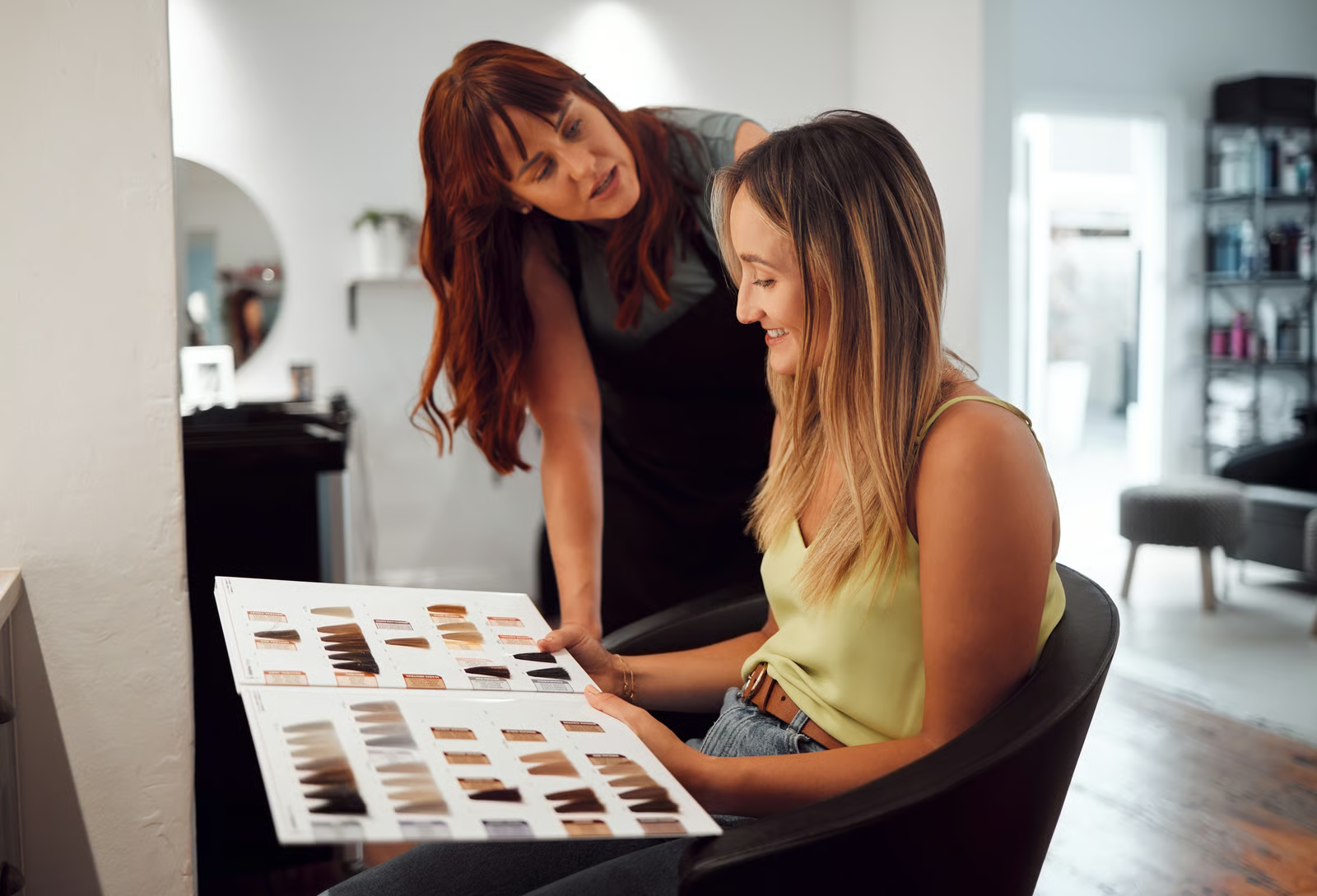
By the 1950s, hair color started moving into mainstream beauty culture. Clairol's "Does she or doesn't she?" campaign helped change the public conversation around hair coloring and made natural-looking color feel more accepted as everyday beauty maintenance.
From a salon perspective, this was huge. Hair color became less secretive and more connected to looking polished, fresh, and well cared for.
That influence still shows up in client language today:
- "I want it to look natural."
- "I want gray coverage that feels soft."
- "I want people to notice I look good."
- "I want my brunette to look expensive."
- "I want my blonde to look clean, but easy."
This is where subtle color became powerful. A root touch-up, a soft gloss, or a tone refresh can completely change how finished the hair looks.
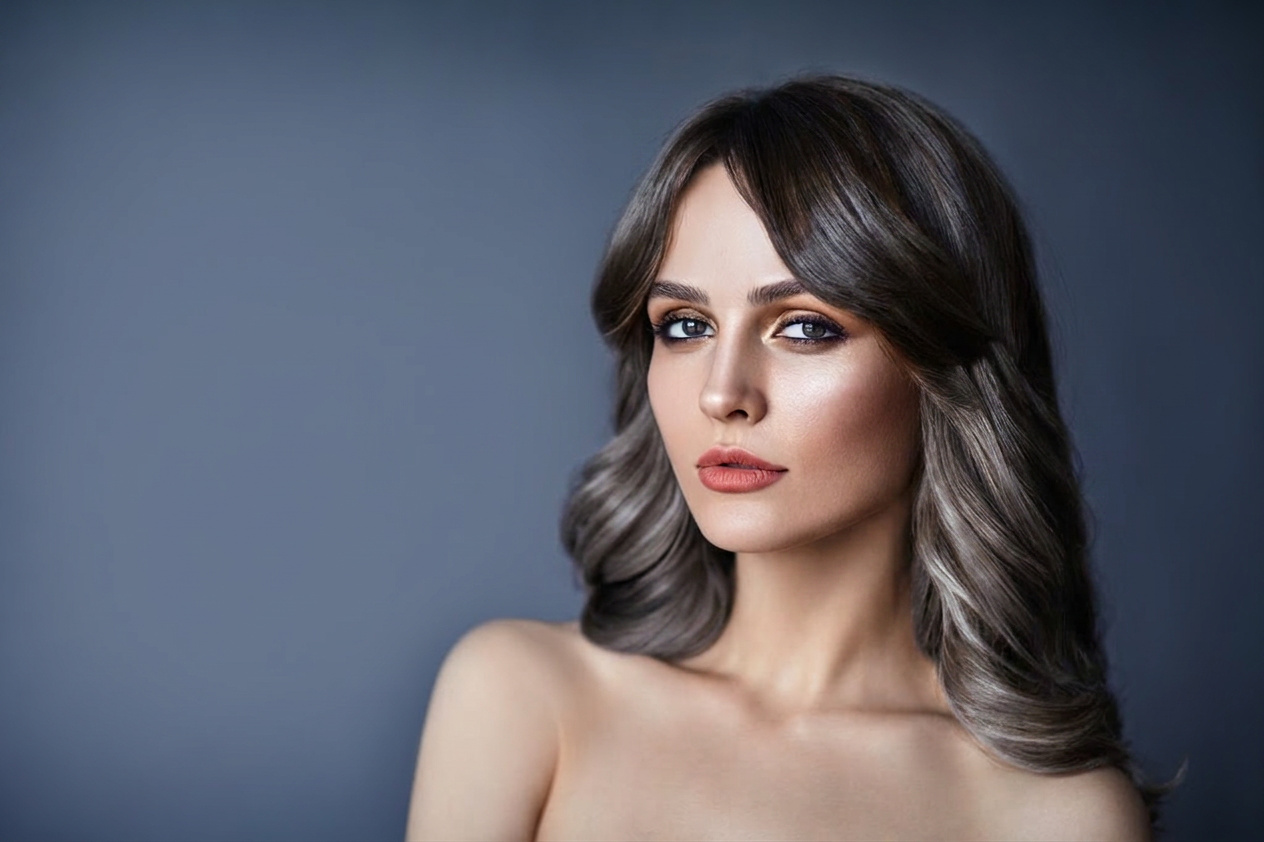
9. The 1970s and Beyond: Hair Color Gets Bold
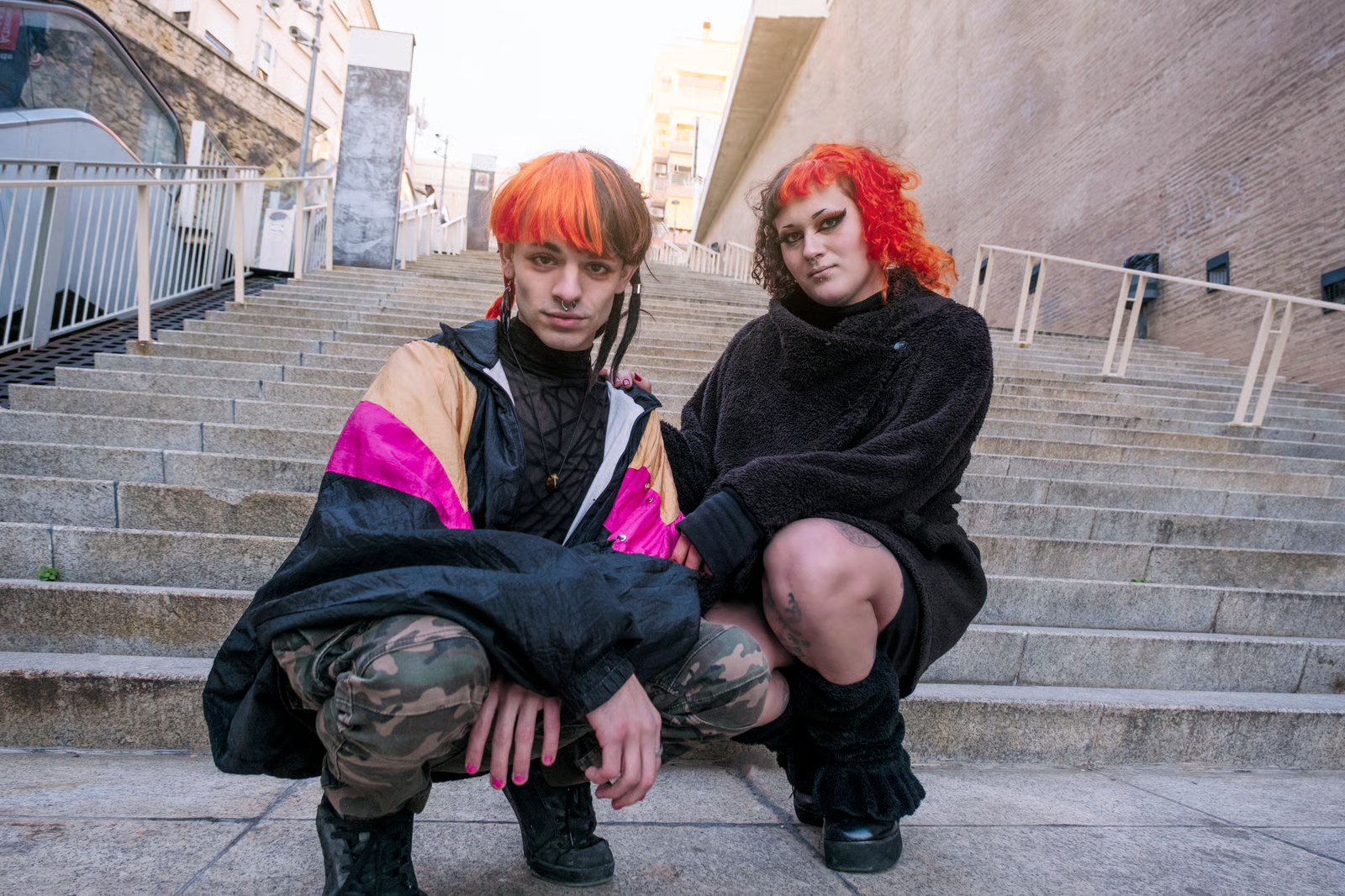
By the late twentieth century, hair color moved strongly into self-expression. Punk became an international movement between 1975 and 1980, and its aesthetic helped push fashion, hair, and beauty into a more rebellious visual space.
That energy is still alive in salons. We see it in vivid panels, blue-black glosses, pink money pieces, smoky lavender, copper shags, platinum pixies, and color blocking.
The modern version feels more customized. A client can go bold with a full vivid transformation, or they can keep it soft with a hidden peekaboo shade under the hair. Expression has range now.
Then vs. Now: What Changed Behind the Chair
Then
Color came mostly from plants, minerals, and natural materials
Now
Colorists can customize tone, depth, brightness, and finish
Then
Results were harder to predict
Now
Formulas are built around hair history, lift level, and porosity
Then
Hair color often carried ritual, status, or symbolism
Now
Hair color carries lifestyle, identity, maintenance, and personal style
Then
Blonding was rougher and less controlled
Now
Modern blonding uses strategic placement, toner, and bond support
Then
Gray coverage was often the main goal
Now
Gray blending, glossing, and dimensional color are just as important
Then
Bold color was more subcultural
Now
Vivids, pastels, and creative color are part of mainstream salon work
| Then | Now |
|---|---|
| Color came mostly from plants, minerals, and natural materials | Colorists can customize tone, depth, brightness, and finish |
| Results were harder to predict | Formulas are built around hair history, lift level, and porosity |
| Hair color often carried ritual, status, or symbolism | Hair color carries lifestyle, identity, maintenance, and personal style |
| Blonding was rougher and less controlled | Modern blonding uses strategic placement, toner, and bond support |
| Gray coverage was often the main goal | Gray blending, glossing, and dimensional color are just as important |
| Bold color was more subcultural | Vivids, pastels, and creative color are part of mainstream salon work |
What Stylists Actually See Working on Clients Now
The prettiest modern color work is customized. The shade matters, but placement matters just as much.
A brunette can look richer with soft ribbons of warmth. A blonde can feel expensive with a root shadow and gloss. A red can feel wearable when the copper, gold, and brown tones are balanced. A vivid color can look elevated when the cut and styling support it.
The modern client usually wants one of these color moods:
Soft enhancement, Glosses, beige blondes, warm brunettes, and natural-looking reds.
Low-maintenance dimension, Balayage, root melts, lived-in blondes, and soft money pieces.
Healthy-looking shine, Demi color, toner refreshes, acidic glossing, and bond care.
Gray blending, Softer grow-out with highlights, lowlights, or translucent coverage.
Personality color, Copper, cherry cola, rose brown, pastel panels, vivid ends, or hidden color.
Stylist Consultation Checklist
Before we mix anything, we read the hair like a map.
What We Check
Hair history
Why It Matters
Old color, bleach, henna, box dye, or toner can change the result
What We Check
Natural level
Why It Matters
This tells us how much lift or deposit is realistic
What We Check
Porosity
Why It Matters
Porous hair can grab color quickly and fade unevenly
What We Check
Elasticity
Why It Matters
Weak hair may need treatment before lightening
What We Check
Scalp sensitivity
Why It Matters
Comfort and safety come first
What We Check
Skin tone
Why It Matters
The right undertone makes the color more flattering
What We Check
Lifestyle
Why It Matters
Maintenance should match the client's real routine
What We Check
Inspiration photos
Why It Matters
Photos help us understand tone, placement, and finish
| What We Check | Why It Matters |
|---|---|
| Hair history | Old color, bleach, henna, box dye, or toner can change the result |
| Natural level | This tells us how much lift or deposit is realistic |
| Porosity | Porous hair can grab color quickly and fade unevenly |
| Elasticity | Weak hair may need treatment before lightening |
| Scalp sensitivity | Comfort and safety come first |
| Skin tone | The right undertone makes the color more flattering |
| Lifestyle | Maintenance should match the client's real routine |
| Inspiration photos | Photos help us understand tone, placement, and finish |
What This Means for Clients Today
Hair color has moved from ancient pigment to precise personalization. The options are endless now, but the best results still come from a smart plan.
A beautiful color should fit the client's face, hair condition, schedule, and style. It should grow out gracefully. It should make the hair feel better, not weaker. It should look good in real life, under salon lighting, in selfies, and on day three after styling.
Choose a color plan instead of chasing one photo.
Bring inspiration, but let your stylist customize the version that works for your hair. A photo shows the goal. The consultation builds the route.
For low-maintenance beauty, ask about glossing, dimensional brunette, soft balayage, root melting, or gray blending. For high-impact color, plan for maintenance. Bright blonde, copper, vivids, and color blocking can be gorgeous, but they need the right schedule and home care.
Also, be honest about your hair history. Box dye, henna, old bleach, keratin treatments, hard water, and previous toners all matter. Many brands and professional resources also recommend allergy testing and strand testing before coloring, especially with a new formula or bigger change.
The chicest color is the one that looks intentional, feels wearable, and keeps the hair healthy. History gave us the pigments. Chemistry gave us control. Stylists bring the eye, the formula, and the care plan that make the color feel personal.