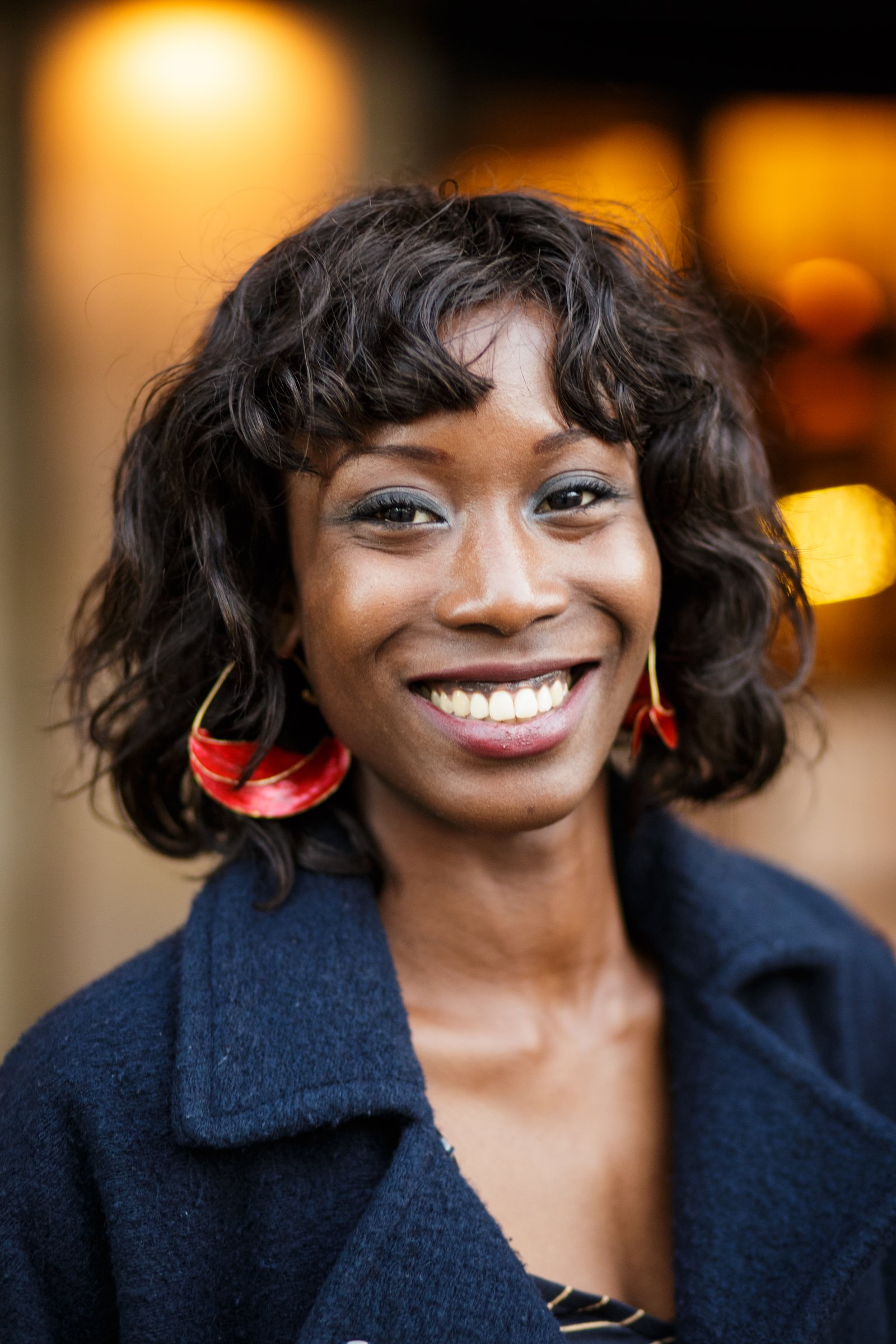
Most clients think better hair comes from bigger salon appointments. More color, more treatments, more time in the chair. What stylists actually see is the opposite.
The clients with the best hair are not the ones doing the most in-salon. They are the ones doing the right things consistently at home.
“Your hair lives with you, not with us. We can reset it in the chair, but what you do between appointments decides how it looks 80 percent of the time.”
— Dana Reeves, Salon Owner, Nashville
This is where at-home hair care stops being optional and starts being the entire strategy.
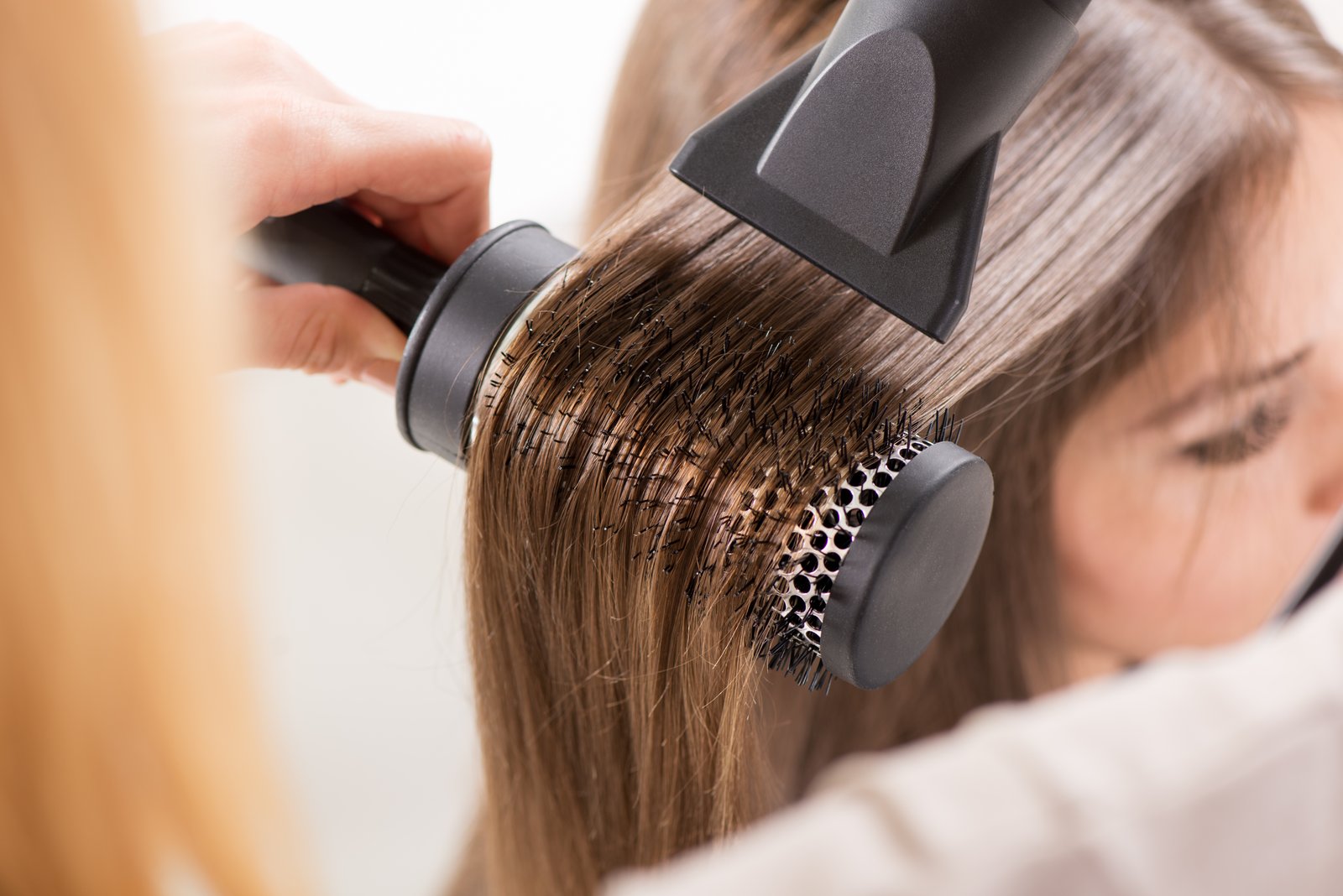
Start With the Scalp, Not the Ends
Most people build routines around damaged ends. Masks, oils, leave-ins. Meanwhile the scalp, where hair actually grows, gets ignored.
If your scalp is dry, irritated, or congested, it shows up as:
- Hair thinning or slower growth
- Hair fall or excessive shedding
- Flat roots that never hold volume
- Flaking linked to dandruff
- Tightness or itchiness
That is why stylists are pushing scalp-first routines.
What to do at home:
Use a scalp treatment once or twice a week
Try a dry scalp treatment at home if you notice flaking
Apply a lightweight scalp oil or scalp moisturizer before washing
If needed, rotate in a medicated dandruff shampoo
“Healthy scalp, better hair. It sounds simple, but it is the part most people skip.”
— Marcus Bell, Colorist, London
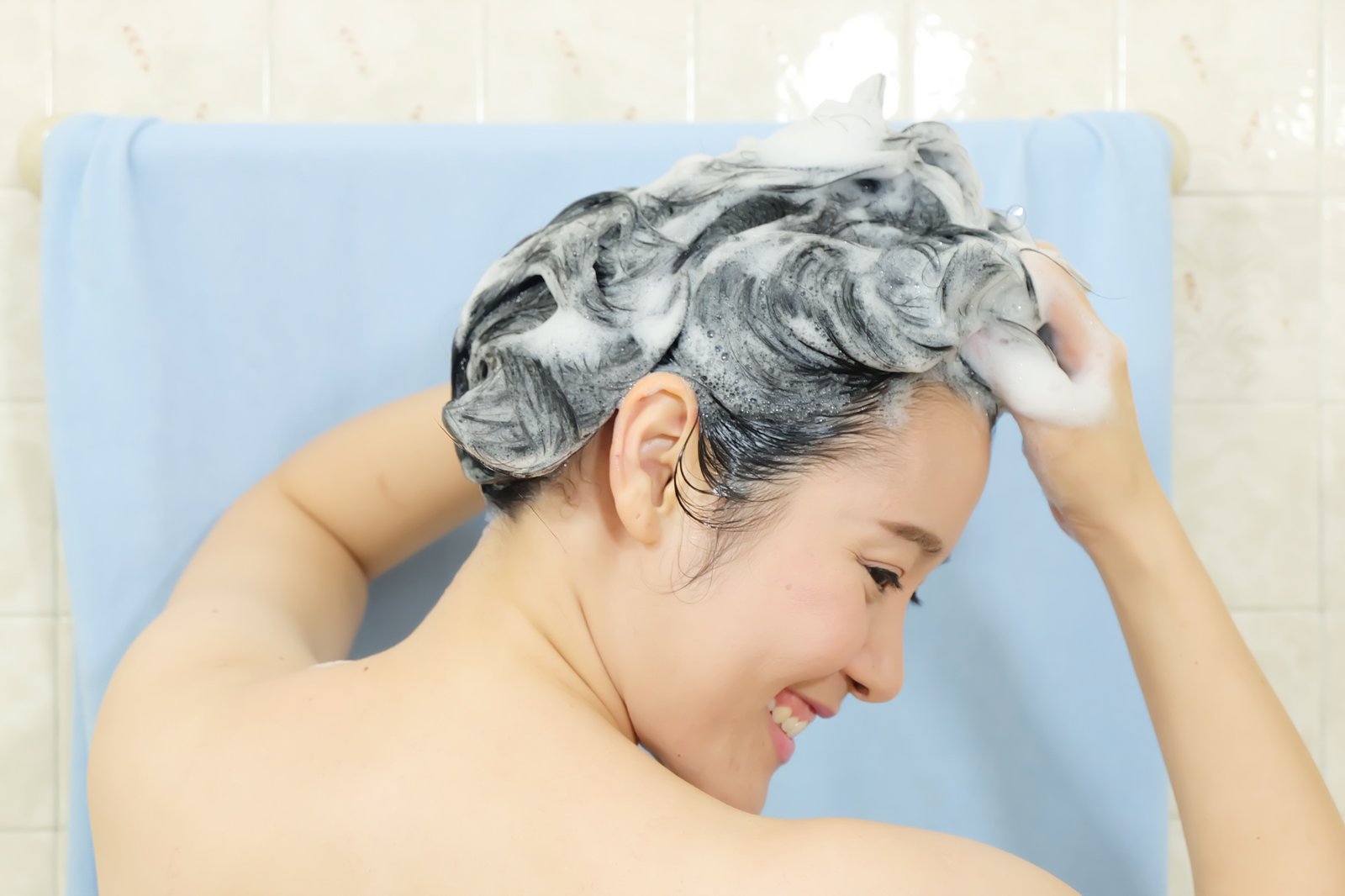
Wash Less, But Wash Better
Overwashing is still one of the biggest issues stylists see. It strips natural oils, fades color, and dries out the hair and scalp. At the same time, under-washing with too much product buildup can clog the scalp.
A better wash routine:
Use a shampoo for color treated hair if you have any color
Focus shampoo on the scalp, not the ends
Rinse longer than you think you need to
Condition mid-lengths to ends only
If you are dealing with hair loss, hair thinning, or excessive shedding, gentle washing is key. Aggressive scrubbing or harsh formulas can make shedding feel worse.
Treat the Hair You Have, Not the Hair You Want
Clients often buy products for aspirational hair. Thick, glossy, high-density hair. Not the hair they actually have. This is where routines fall apart.
For dry or damaged hair:
- Use a hair treatment for damaged hair weekly
- Add a protein treatment if the strands feel weak
- Use a lightweight hair moisturizer or leave-in treatment
For thinning or fine hair:
- Look for products specifically for thinning hair
- Use volumizing shampoo and conditioner
- Avoid heavy oils on the roots
For frizz or texture:
- Use a hair treatment for frizzy hair
- Layer in a small amount of hair serum for control
“People overload their hair trying to fix it. Most of the time, less product used correctly works better than more product used randomly.”
— Nina Patel, Colorist & Educator, Chicago
Heat Styling Is Where Most Damage Happens
Flat irons, curling wands, and even high-heat blow dryers are still the fastest way to undo healthy hair. This is especially true for clients already dealing with severe breakage, bleach damage, or ongoing shedding.
Smarter heat habits:
Always use heat protection
Lower the temperature when possible
Avoid daily straightening or curling
Let hair air dry partially before styling
Tools can help reduce damage, but technique still matters more than the tool.
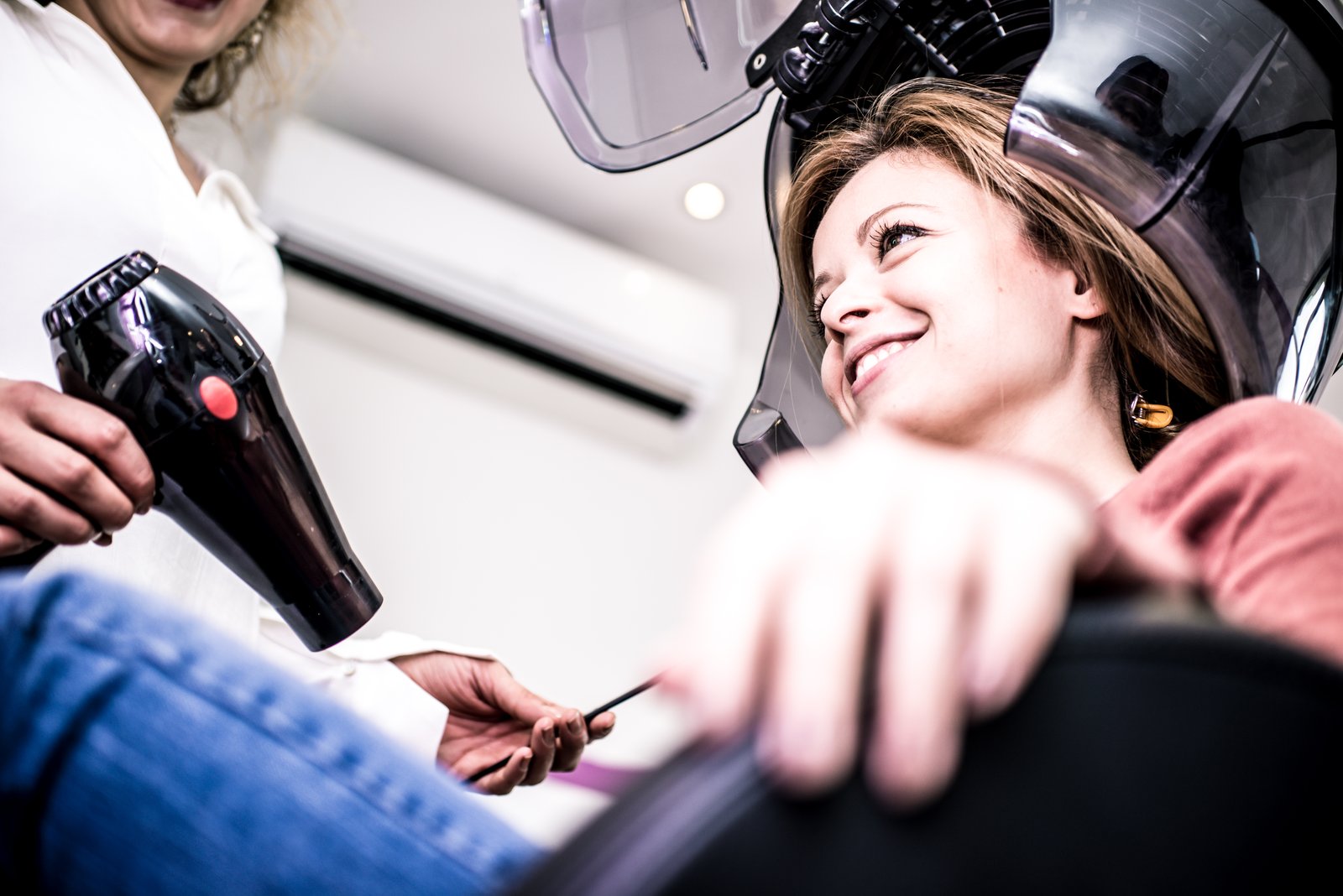
The Weekly Reset Routine Stylists Recommend
If you want a simple system that works, this is what many stylists suggest.
Once a week:
Apply scalp oil or a scalp treatment
Use a dry scalp treatment if needed
Shampoo thoroughly
Apply a deep conditioner or hair treatment
Finish with a lightweight leave-in treatment
Daily or every other day:
Use minimal styling products
Add a small amount of hair serum for ends
Avoid buildup at the roots
Every few weeks:
Clarify if you use a lot of product
Refresh with a gloss treatment at the salon if you have color
Consistency matters more than intensity. A simple routine done regularly will outperform a complicated one done occasionally.
When Hair Loss or Thinning Needs More Than Home Care
At-home care helps, but it is not always enough. If you are noticing sudden hair loss, diffuse thinning that is getting worse, a visible thinning hairline, or ongoing shedding that does not slow down, it may be time to look beyond products.
Options stylists often discuss with clients include:
- Seeing a hair loss specialist or dermatologist
- Treatments like PRP hair treatment
- Topical solutions like minoxidil
- Scalp-focused therapies
“Products support the hair you have. If the issue is internal or hormonal, you need a bigger plan.”
— Dana Reeves, Salon Owner, Nashville
The Products That Actually Make a Difference
There is a lot of noise in the haircare space. What stylists consistently see working:
- Professional hair care products over harsh formulas
- Lightweight, targeted treatments instead of heavy layering
- Scalp-focused products for long-term results
- Simple routines using good products instead of constantly switching
Whether it is vegan hair products, natural hair care products, or specific targeted lines, the key is choosing products that match your hair type and sticking with them long enough to see results.
The Bottom Line
At-home hair care is not about doing everything. It is about doing the right things consistently. Focus on the scalp. Use the right products for your actual hair type. Be mindful with heat. And build a routine you can maintain.
“The best hair we see in the salon is never an accident. It is always someone doing the basics well, over and over again.”
— Marcus Bell, Colorist, London
Not more products, not more steps. Just better habits.