
A new hairstyle really does change your face. Not metaphorically, literally.
There's a reason Nicole Kidman's golden curls set off a whole internet moment not long ago. She'd just made headlines for her first solo Christmas post-divorce, but what people couldn't stop talking about wasn't her relationship status, it was her energy. Silk Doen dress, a Chanel wicker bag, Manolo Blahnik gold sandals, effortlessly cool and completely unbothered. And then those curls.
"Those curls are back and suddenly she looks 25 again," someone wrote. And honestly? Not wrong.
The classic "transformation" arc almost always plays out the same way: frizzy curls smoothed into sleek straight hair signals a character's arrival, her polish, her upgrade. It's the Princess Diaries makeover in visual shorthand.
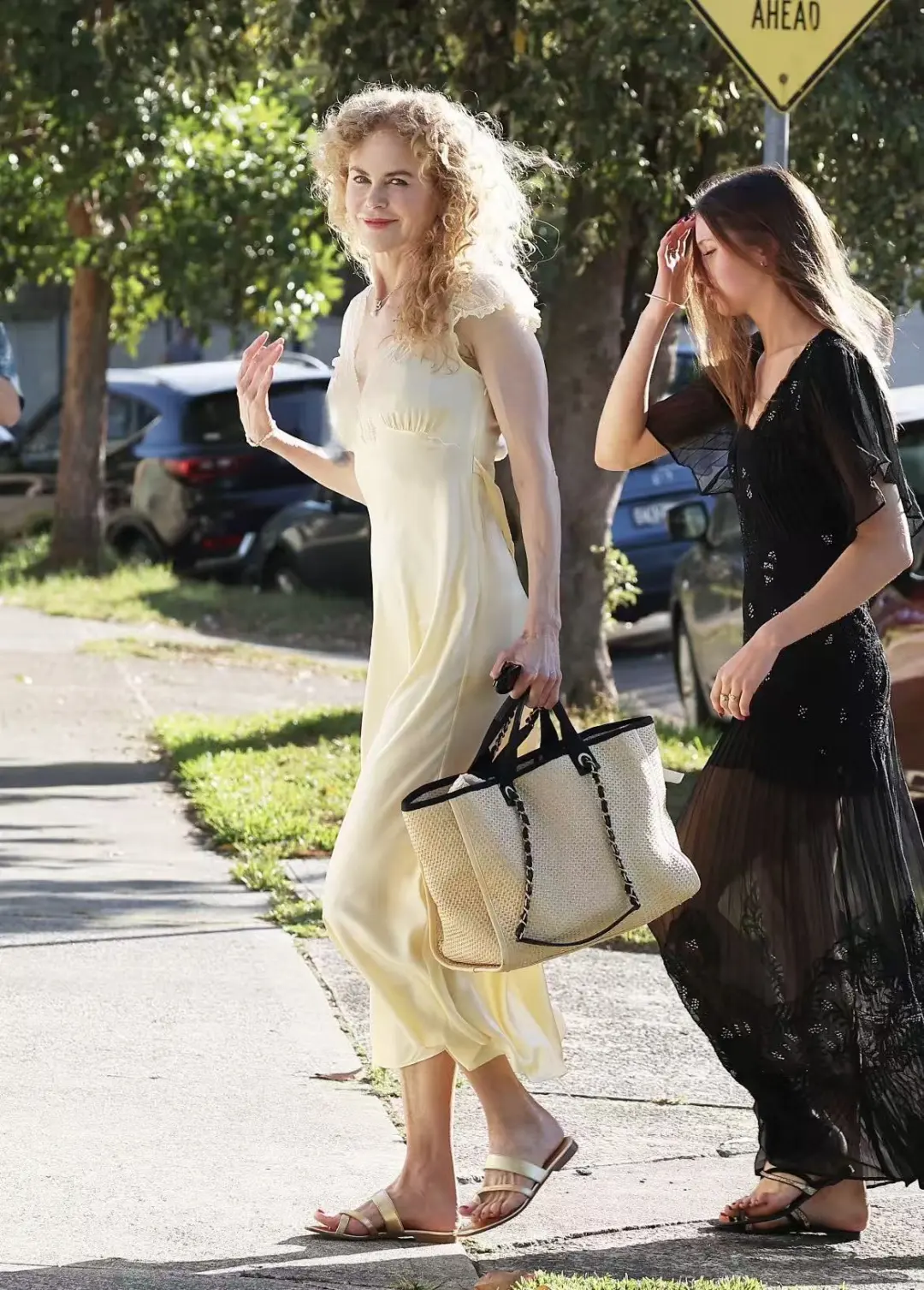
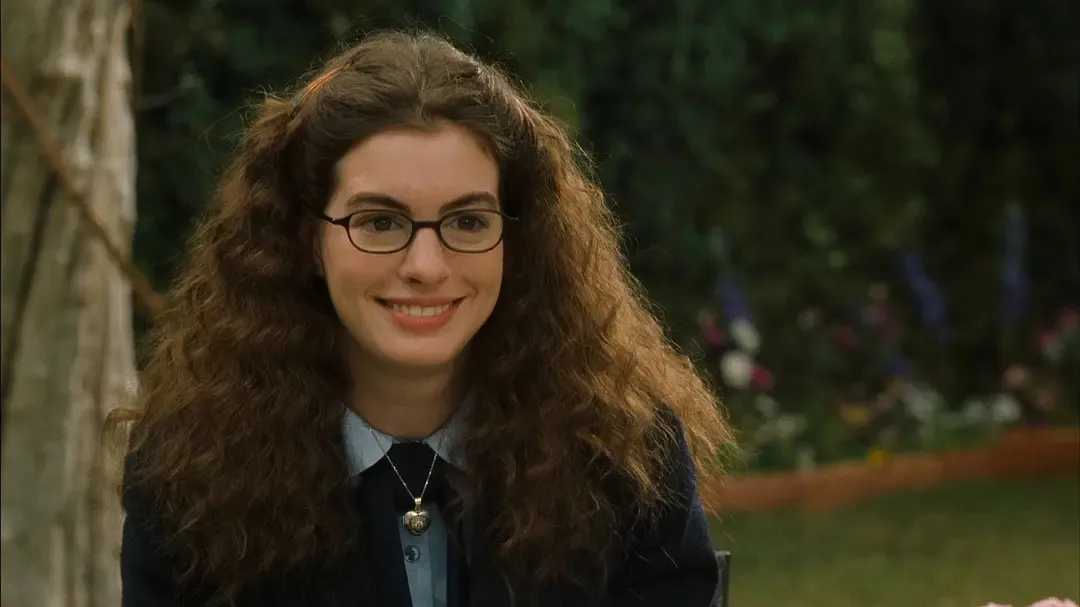
There was also a different kind of reading going around, photos from other recent appearances, her hair loose and a little undone. Some people saw that look and called it messy. Others called it freedom.
Same person, two different hairstyles, two completely different conversations.
Hair Changes More Than Your Look
People say a new haircut changes everything. But it's not really that the cut changes you, it's that the cut reflects something that was already shifting inside. Nicole Kidman stepping out with her signature curls wasn't just a styling choice. It was a signal.
Film directors have known this forever. When a character needs to evolve on screen, the costume department gets involved, but the hair department goes first.
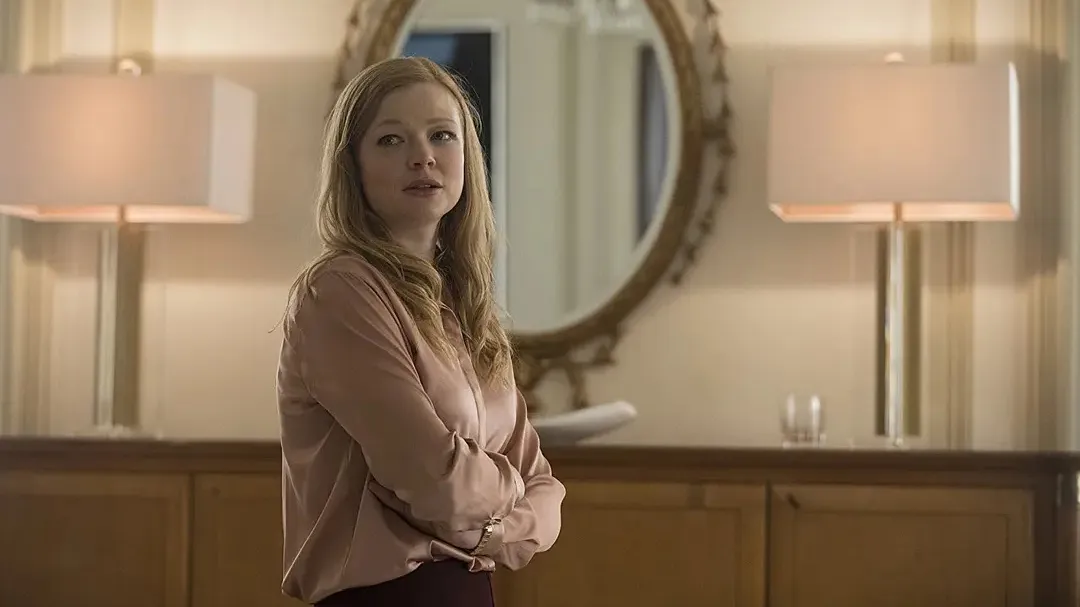
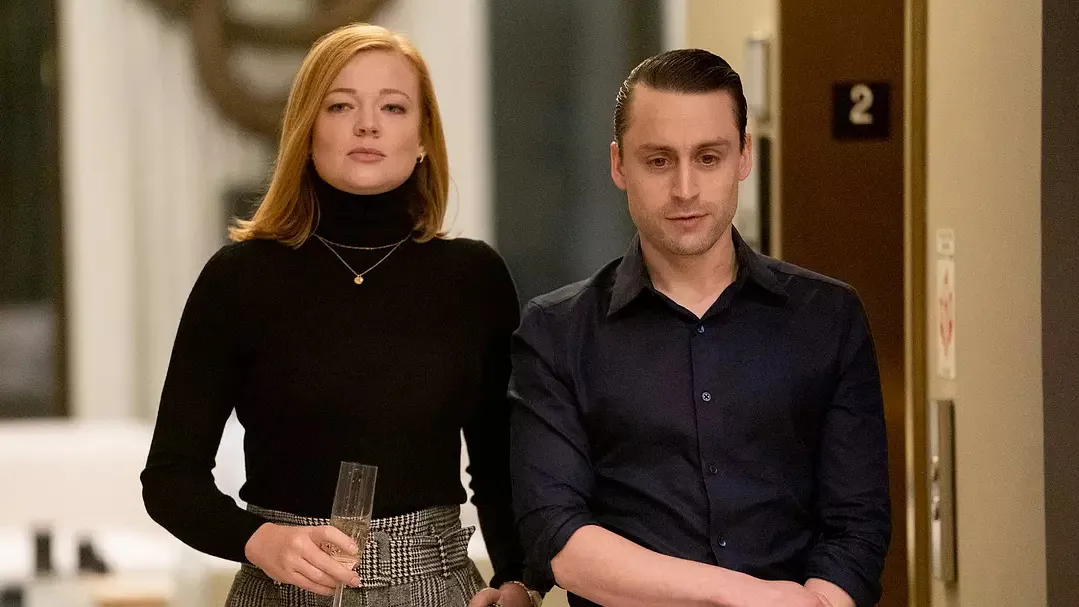
When a character crosses into power, really starts playing the game, the hair gets shorter. Sharper. Think Succession: the longer something stays in the family, the more aggressive the lines become.
And then there's the moment that hits differently every time you see it. The mirror scene. The scissors. A character cutting off her own hair is never just about hair. Gone Girl, Blue Is the Warmest Color, dozens of others, the haircut is the turning point, the declaration, the thing that says: I'm done being who I was.
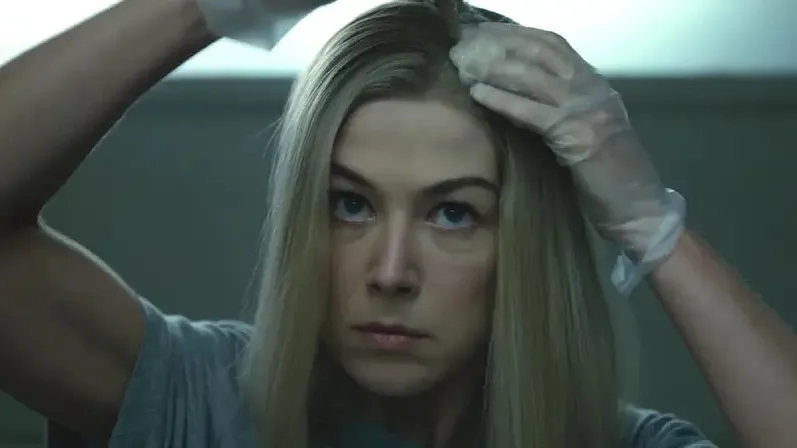
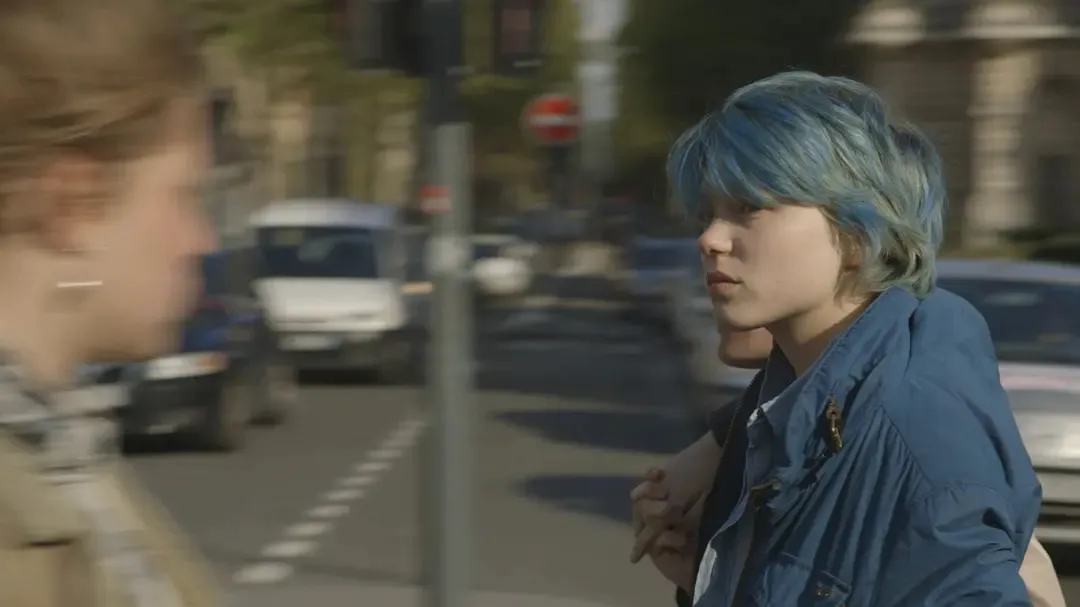

Hair doesn't need a line of dialogue. It's already telling the whole story.
Which Brings Us to Sex and the City
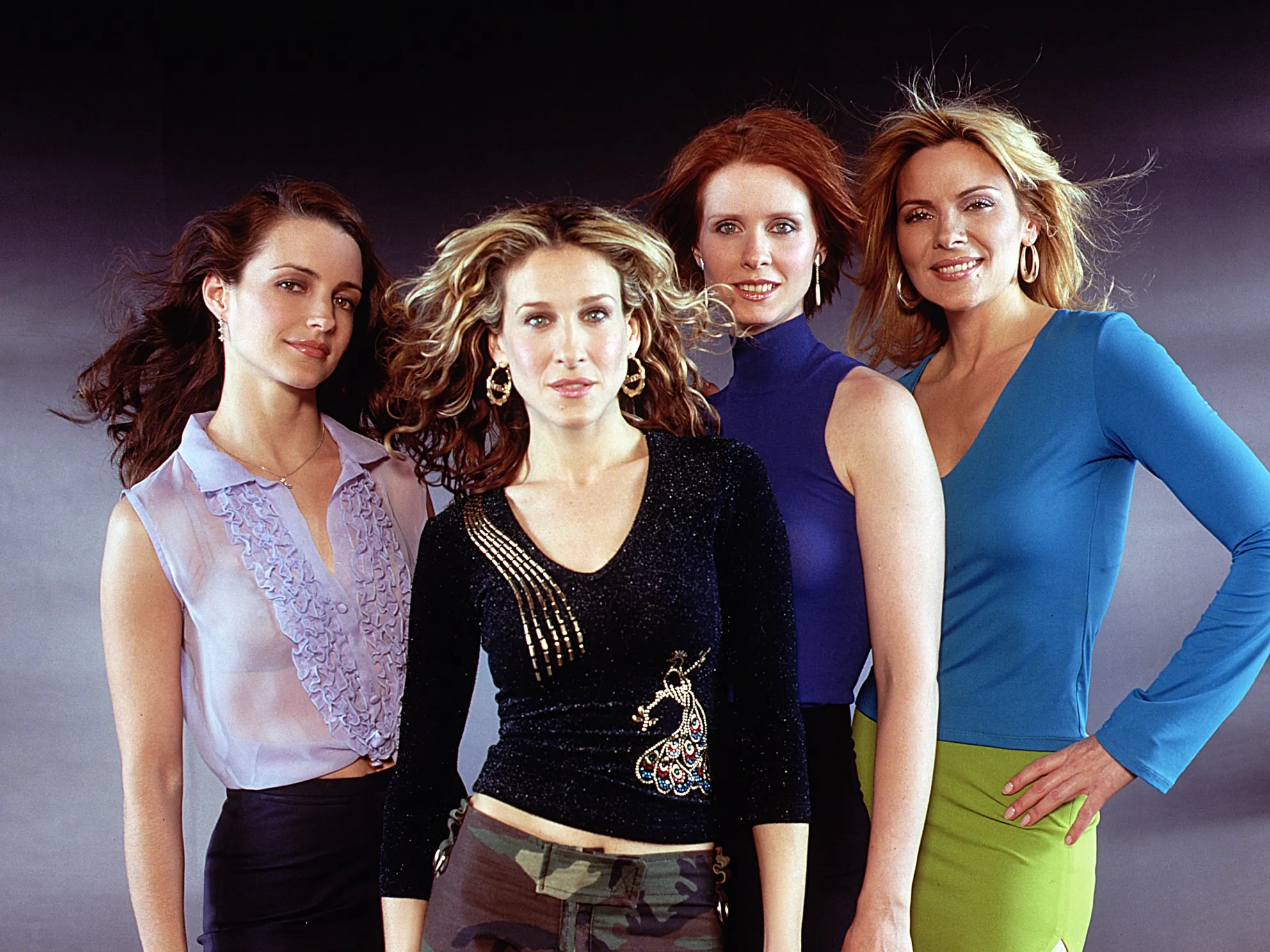
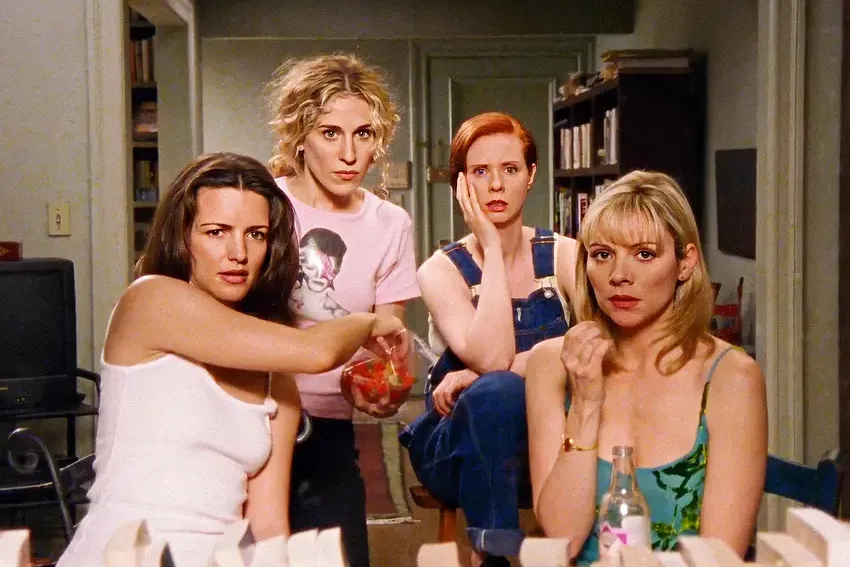
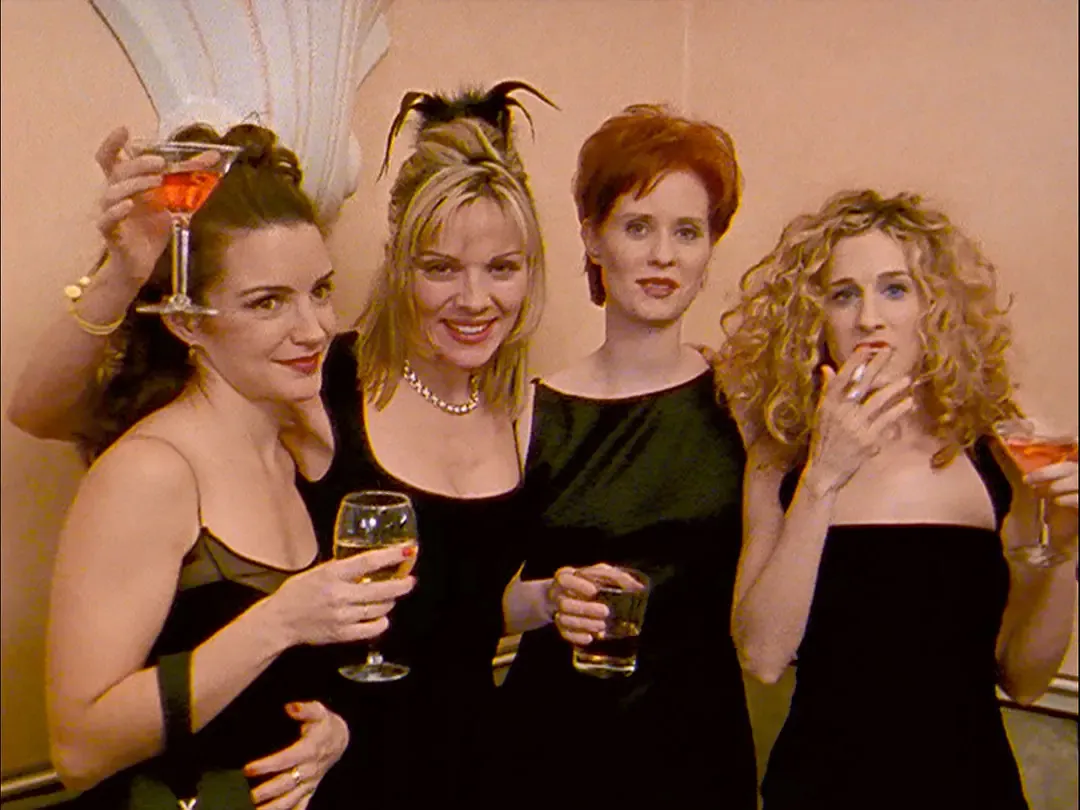
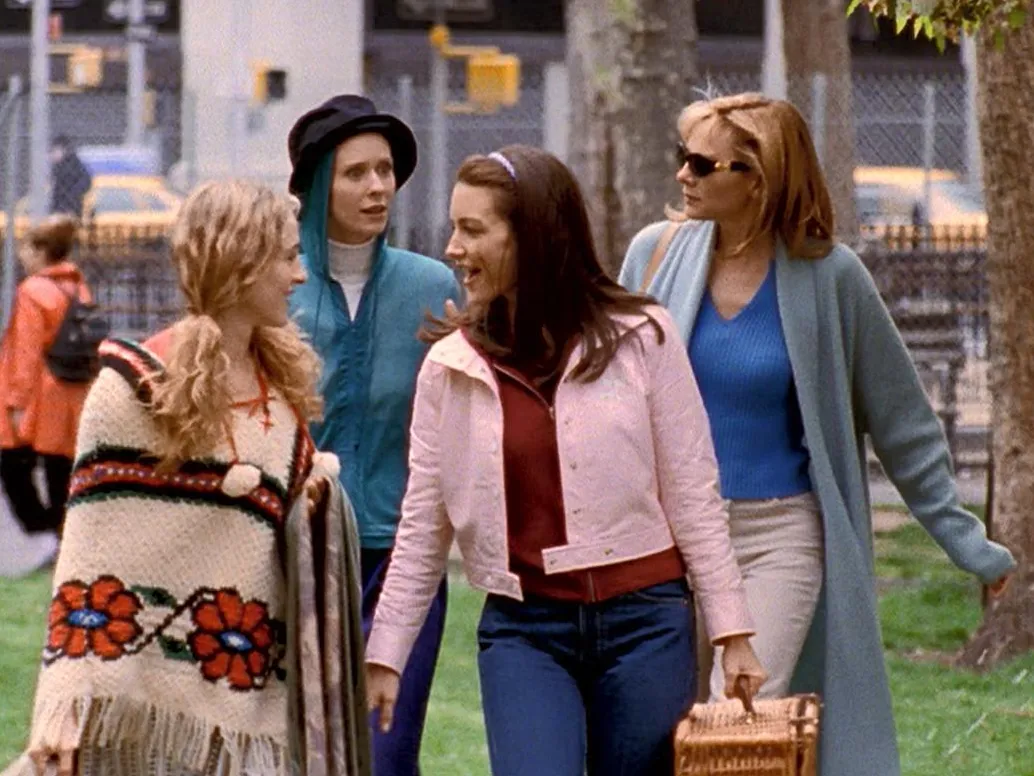
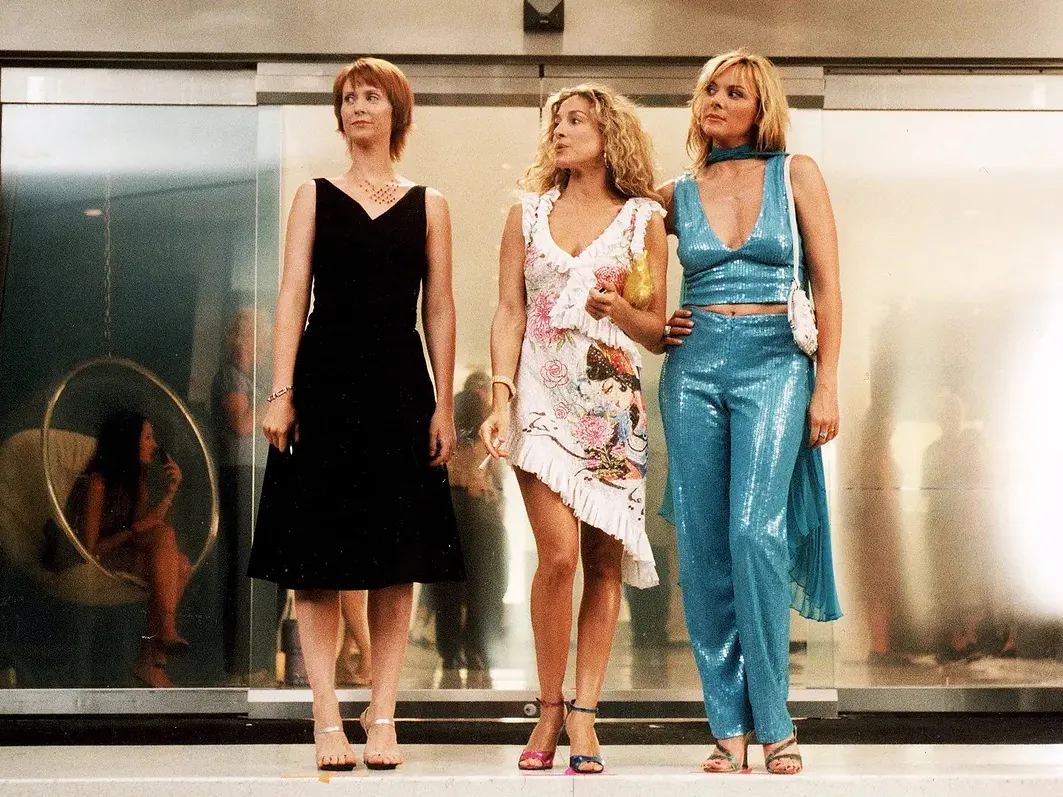
If there's one piece of television that turned the idea of "hair equals personality" into an actual philosophy, it's Sex and the City. Four women, four hairstyles, four completely different ways of moving through the world.
The show invented a template for a certain kind of urban women's story, and it did it as much through hair as through plot. Each character's relationship to her own hair was a direct reflection of her relationship to herself.
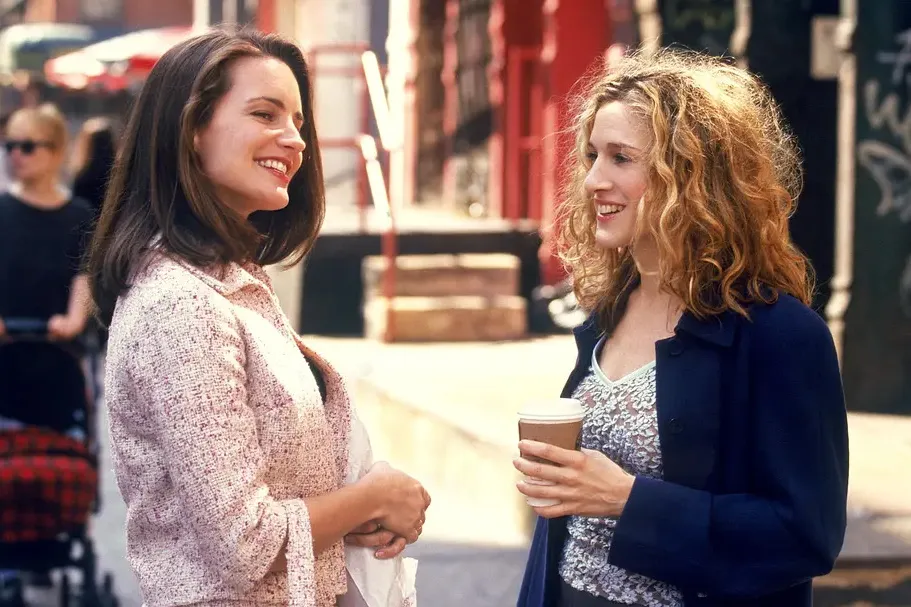
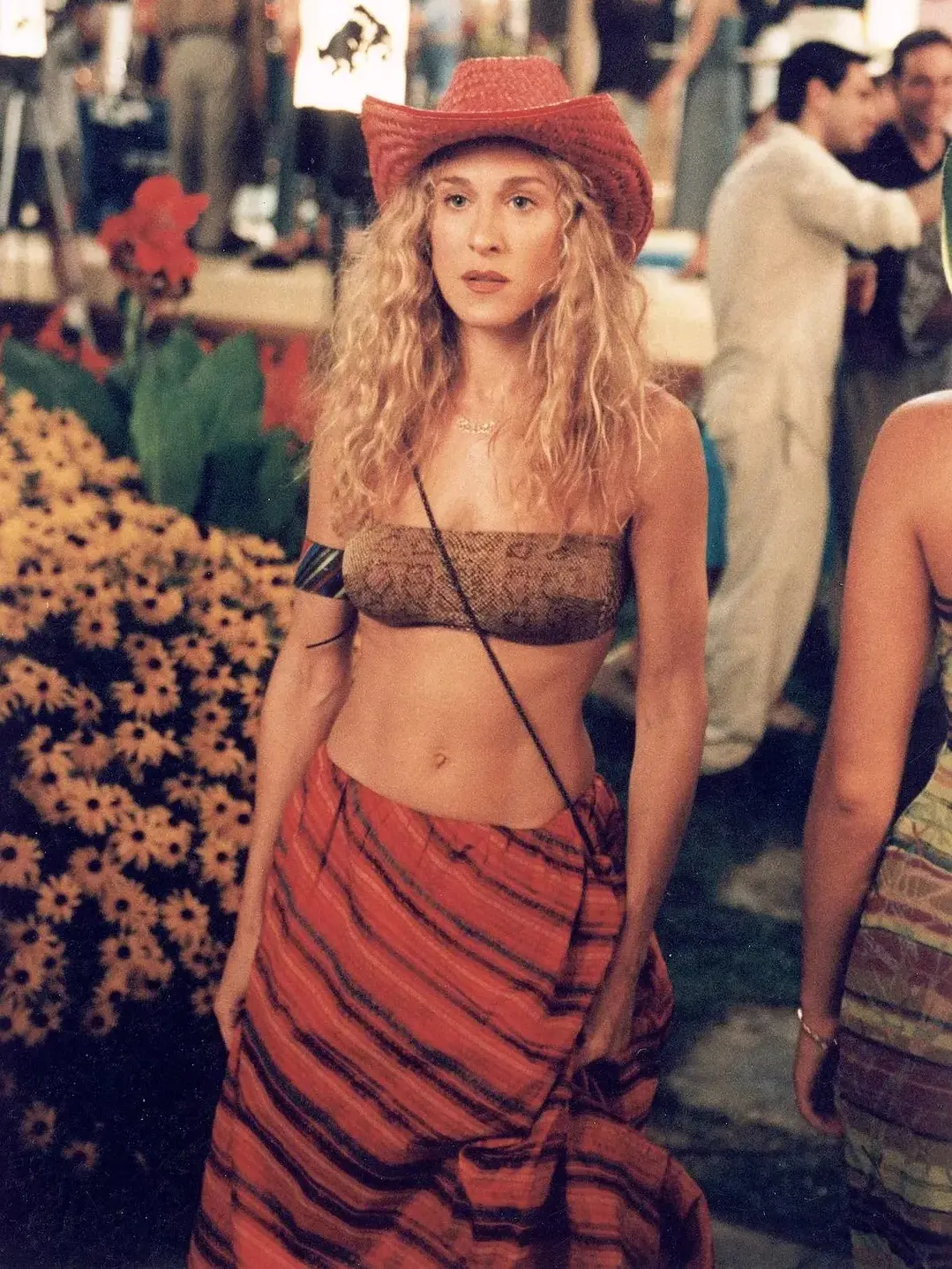
Carrie: The Curl Is the Character
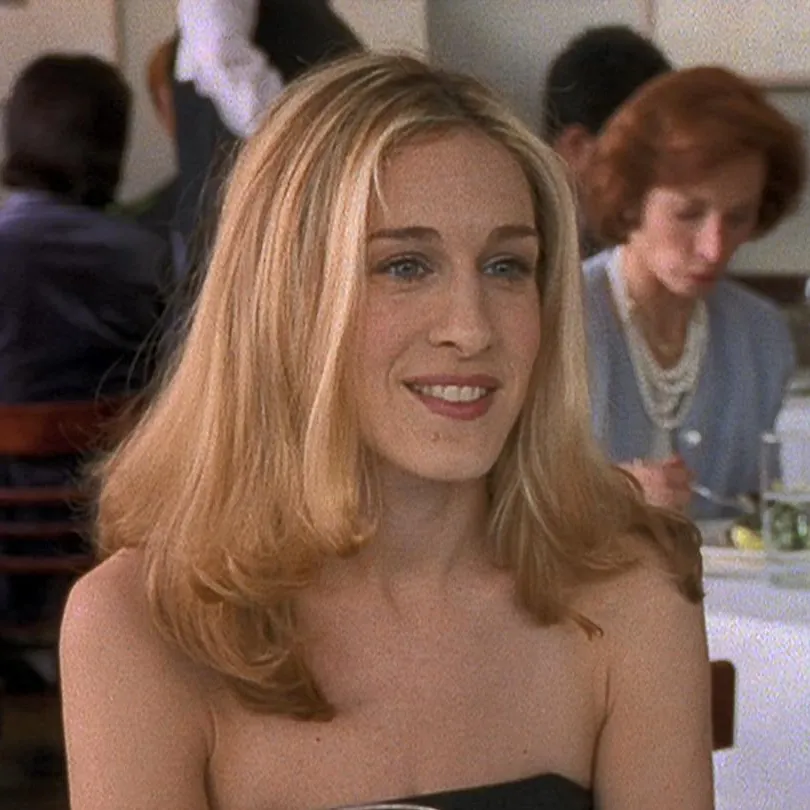
Carrie Bradshaw's curls are the most iconic hair in the show, possibly in all of 90s and early 2000s television. But here's the thing: they were never styled. That's exactly the point.
The hair always looked like she'd just woken up. Or like she'd been walking fast in the wind and didn't care. Untamed. Impractical. Alive.
One look and you already knew: this woman runs on feeling. She doesn't follow rules because she finds rules less interesting than the exception.
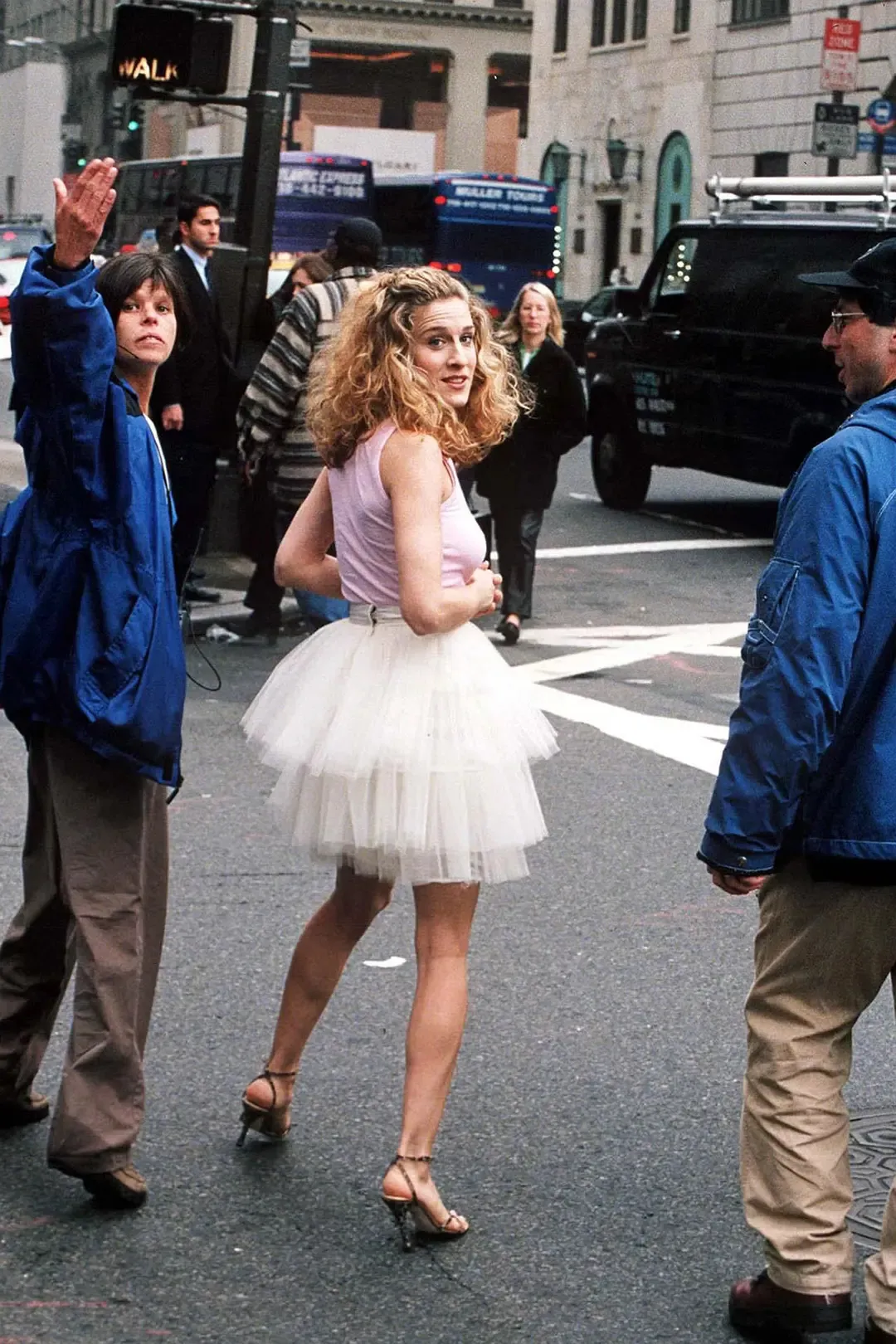
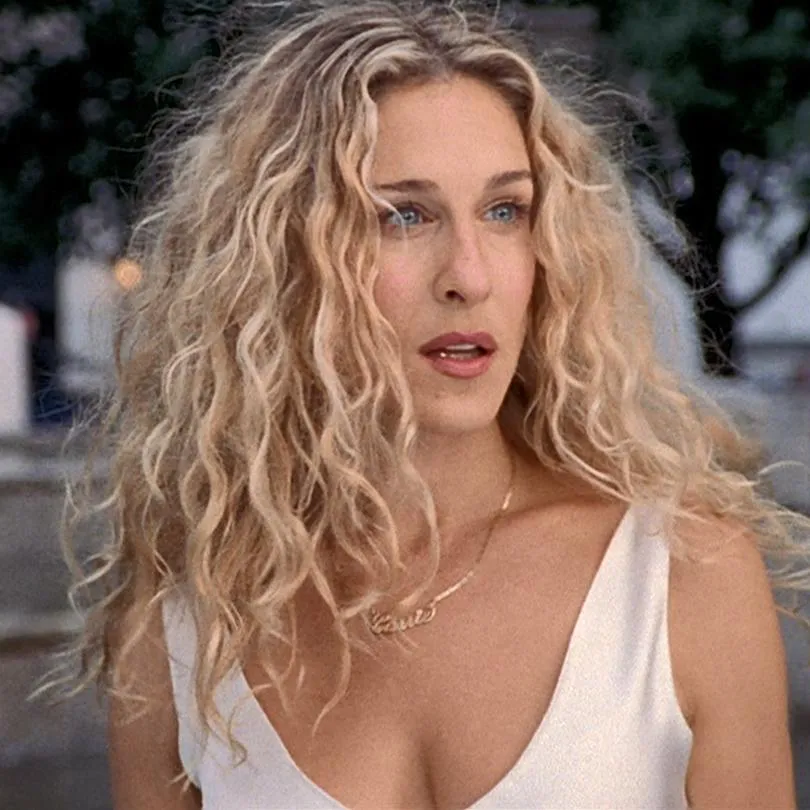
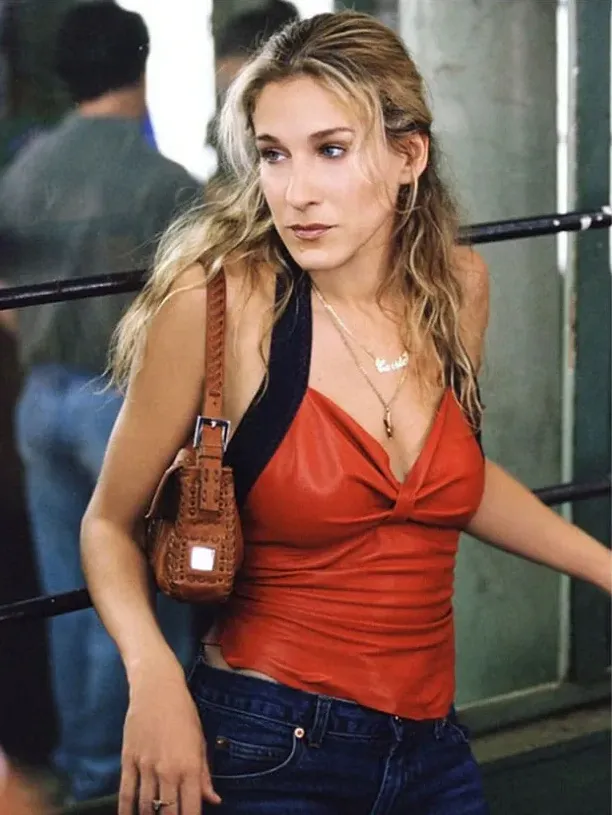
Carrie wrote a sex and relationships column in New York City without a stable income, without a steady relationship, and without a consistent sense of whether she was making the right choices. Her apartment was rent-controlled and barely affordable. Her closet was full of things she couldn't afford. Her love life was chaos. She was drawn to Mr. Big precisely because he was wrong. The danger, the ambiguity, the sense that she could never quite pin him down, that was the appeal. She walked away from Aidan, who was good and stable and kind, more than once.
The hair reflected all of it.
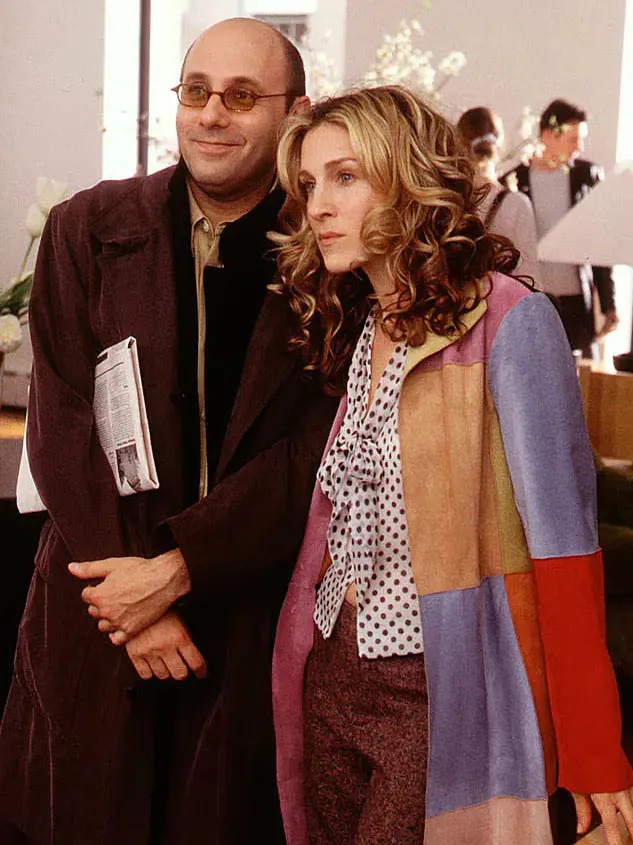
The only times Carrie straightened her hair were the moments she was trying to become someone else, someone more upper-east-side, more controlled, more acceptable to a world that made her feel like she wasn't quite enough. It never lasted. The curls came back. Because she came back.
Carrie once said: "I will never be the woman with the perfect hair who can wear white and not spill on it." She said it like it was a flaw. It wasn't. It was the whole point.
Miranda: The Bob That Doesn't Apologize
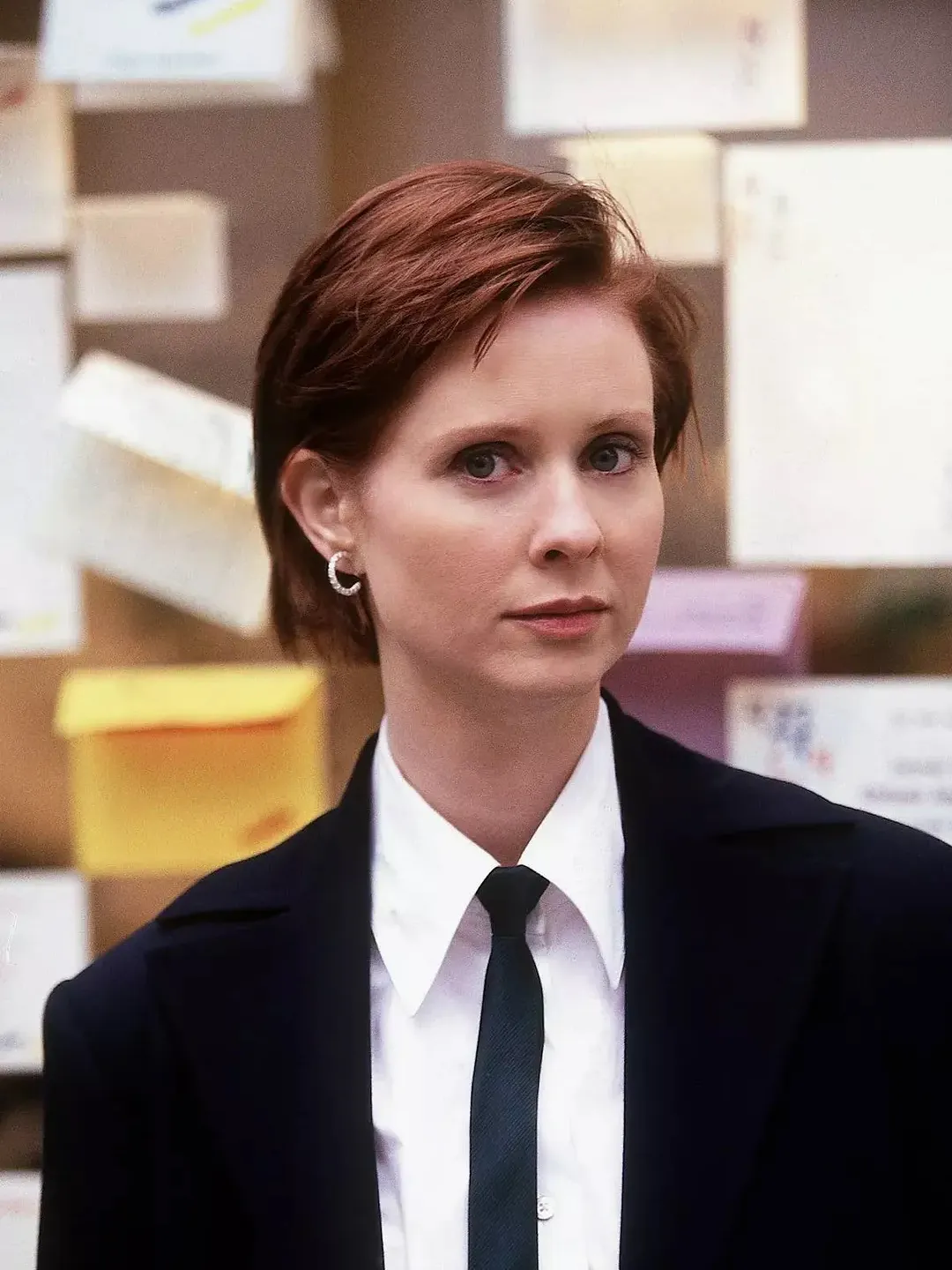
Miranda's auburn bob said everything before she opened her mouth. Short. Precise. Not interested in softening itself for anyone.
She was a lawyer in the 1990s, in a field that was still overwhelmingly male. The cut made sense as a strategic choice, but Miranda was never purely strategic. She chose an arresting shade of orange-red, a color that refused to disappear into the background. The logic was sharp; the execution was bold. That tension ran through everything she did.
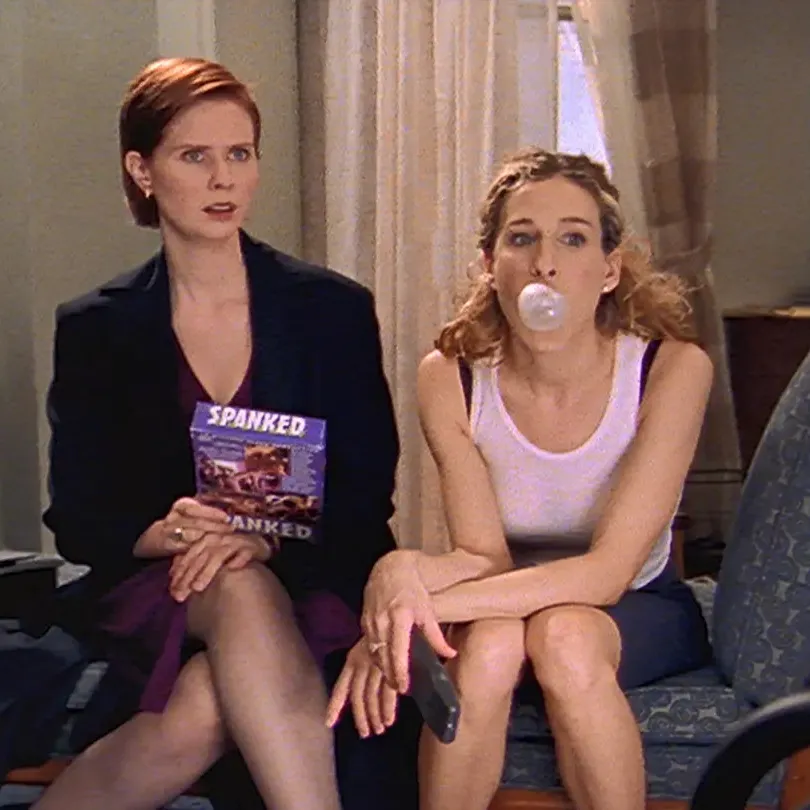
Miranda was the most rational one at the table, the one who'd say, in the middle of a conversation about men, "Can we please talk about something else for five minutes?" But she was also the one who consistently chose Steve, a man the world told her was below her grade. She hated loneliness more than she hated anything else. That was the crack in the armor, and she knew it.
Watch the hair change over the seasons. When she leaned into vulnerability, pregnancy, single motherhood, learning to be a partner without disappearing into it, the bob got softer. The color went deeper, more burnished. Less attack, more depth.
The bob never fully relaxed. But it learned to breathe.
Charlotte: The Perfect Hair, the Imperfect Life
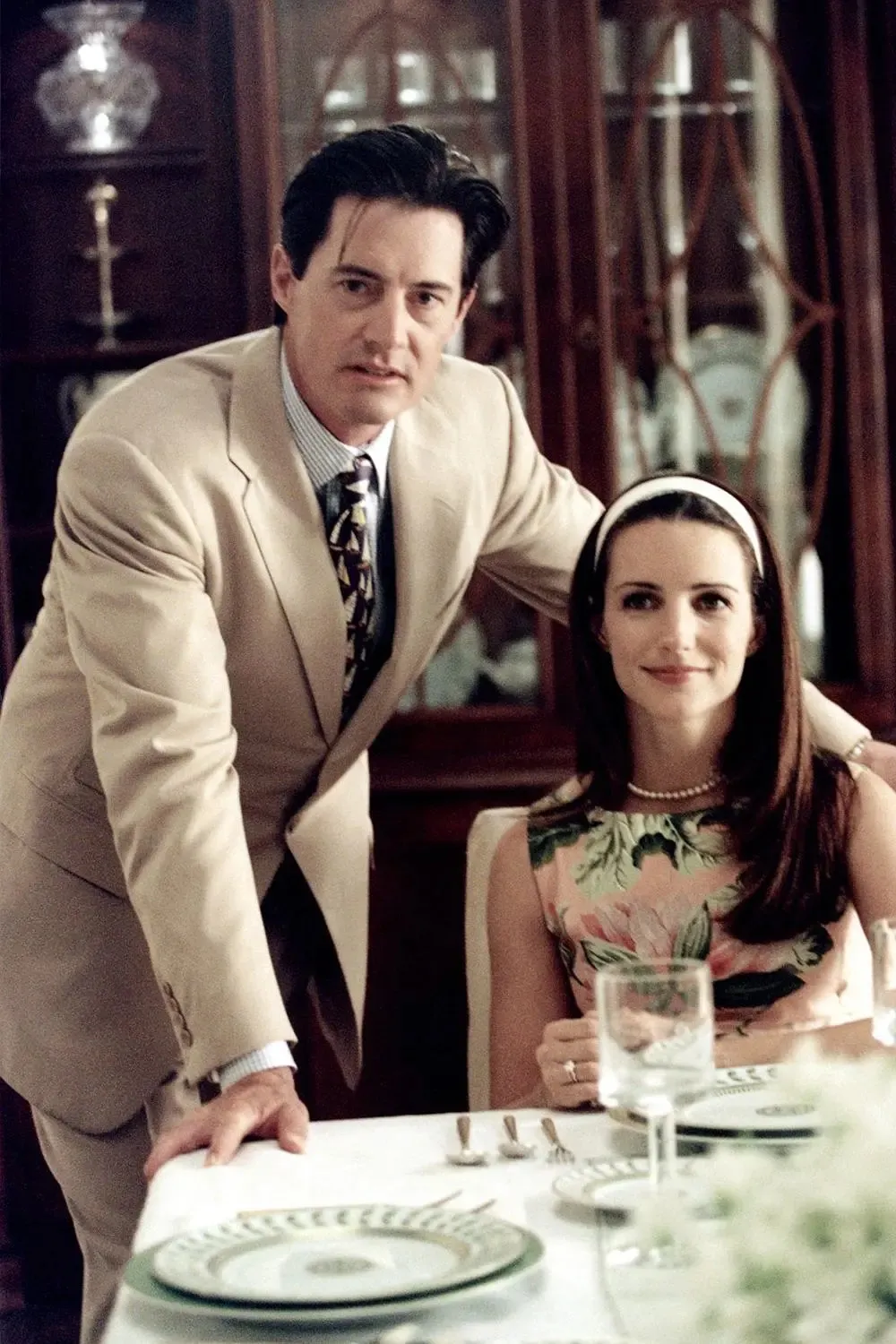
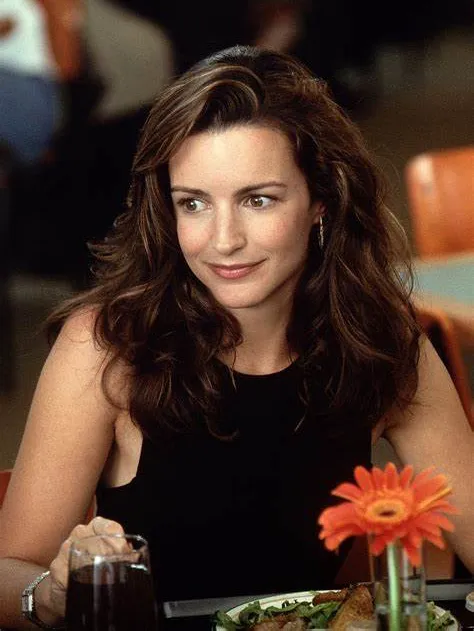
Charlotte York's hair was always immaculate. Center-parted, glossy, the exact right amount of wave, never too much, never too little. It looked like it had been brushed 100 times before she left the apartment. It probably had.
She dressed the same way: Chanel suits, silk blouses, ladylike cuts that telegraphed Upper East Side good breeding even before she said a word. She was the one who still believed in The Right Man, The Right Marriage, The Right Life, and she was going to look the part while she waited for it.
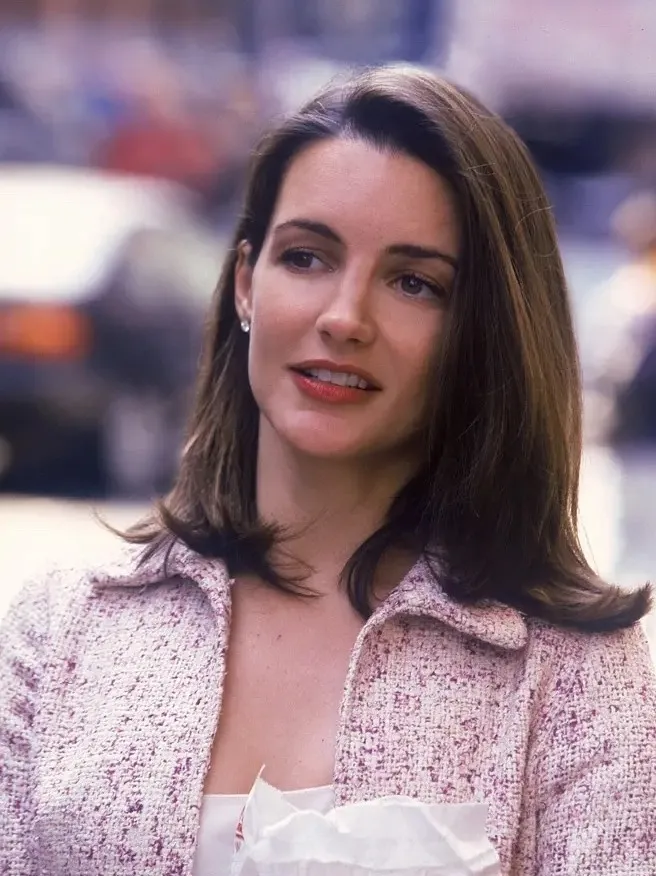
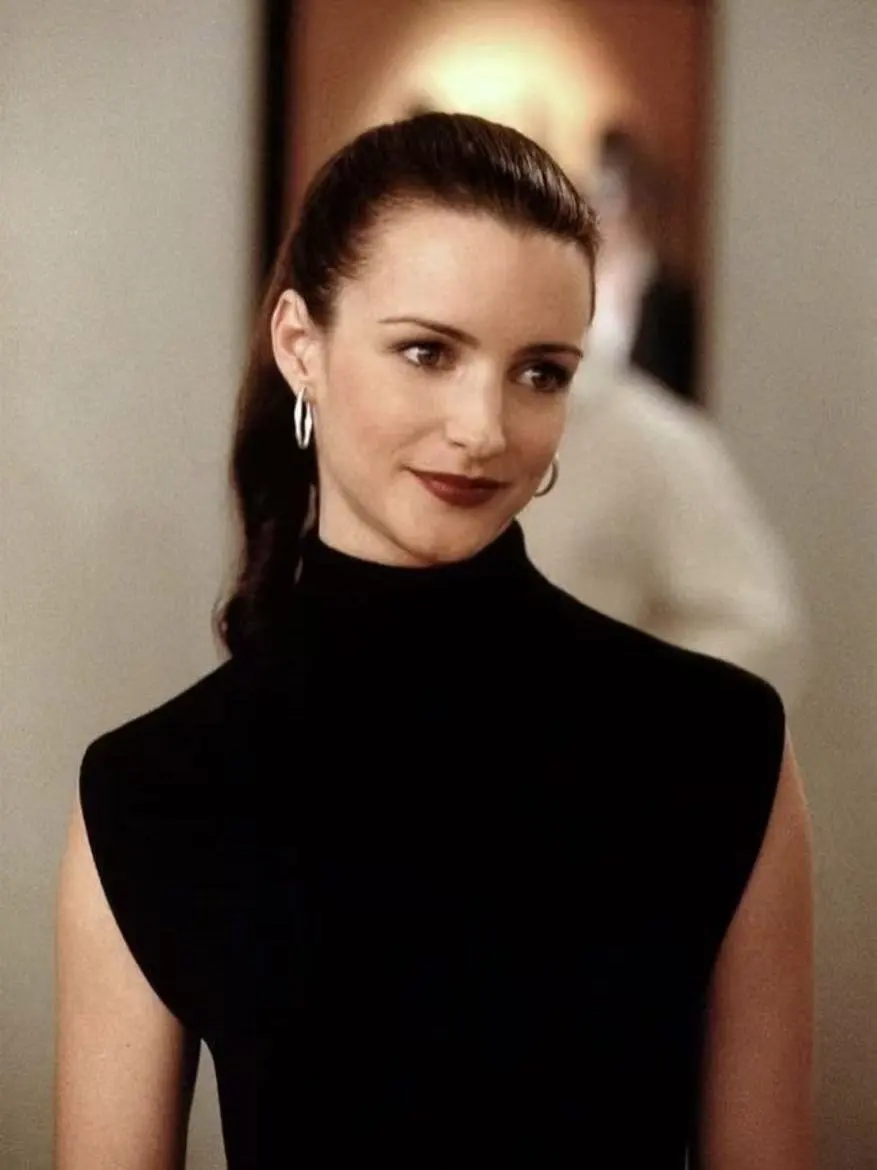
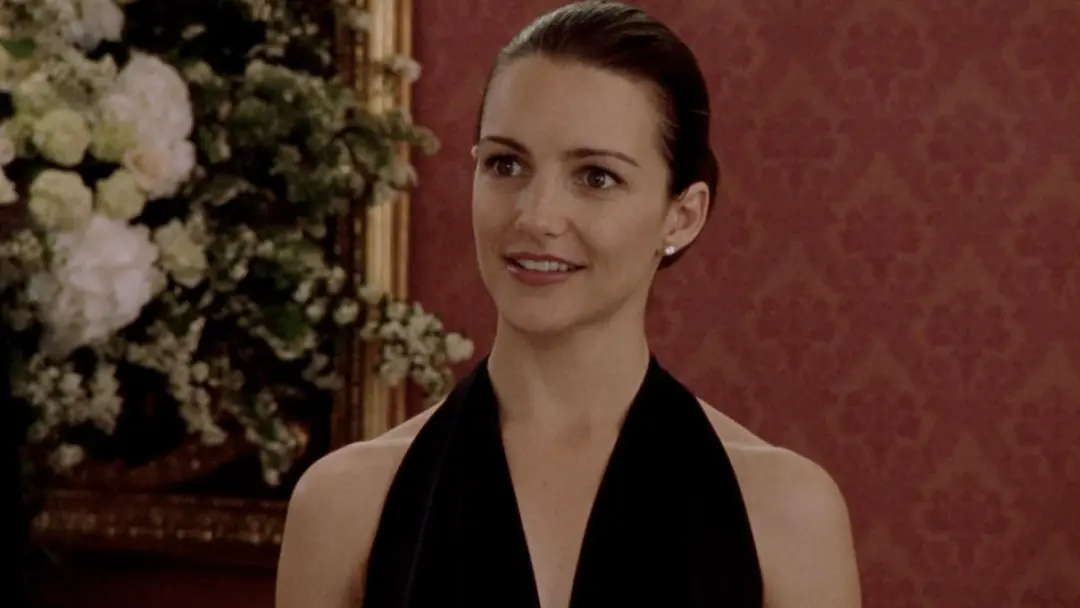
Here's the thing, though: Charlotte's perfectionism wasn't confidence. It was anxiety wearing a silk blouse.
She couldn't walk into a sauna without her robe. She couldn't deviate from the plan because the plan was the only thing holding everything together. She married a man who was objectively correct on paper, handsome, wealthy, old family, and moved into an apartment so tasteful it looked like a magazine spread. And then she found out her perfect husband had a problem he'd never told her about, and the magazine-spread life didn't have a chapter on what to do next.
She divorced him. She converted religions for a man she actually loved. She stopped performing perfection and started living through imperfection instead.
The hair, in those later seasons, became a little less lacquered. Not messy, Charlotte would never be messy, but breathing. Human. That was the whole arc, visible in the gloss level of a blowout.
Samantha: Controlled, Maximalist, Unapologetic
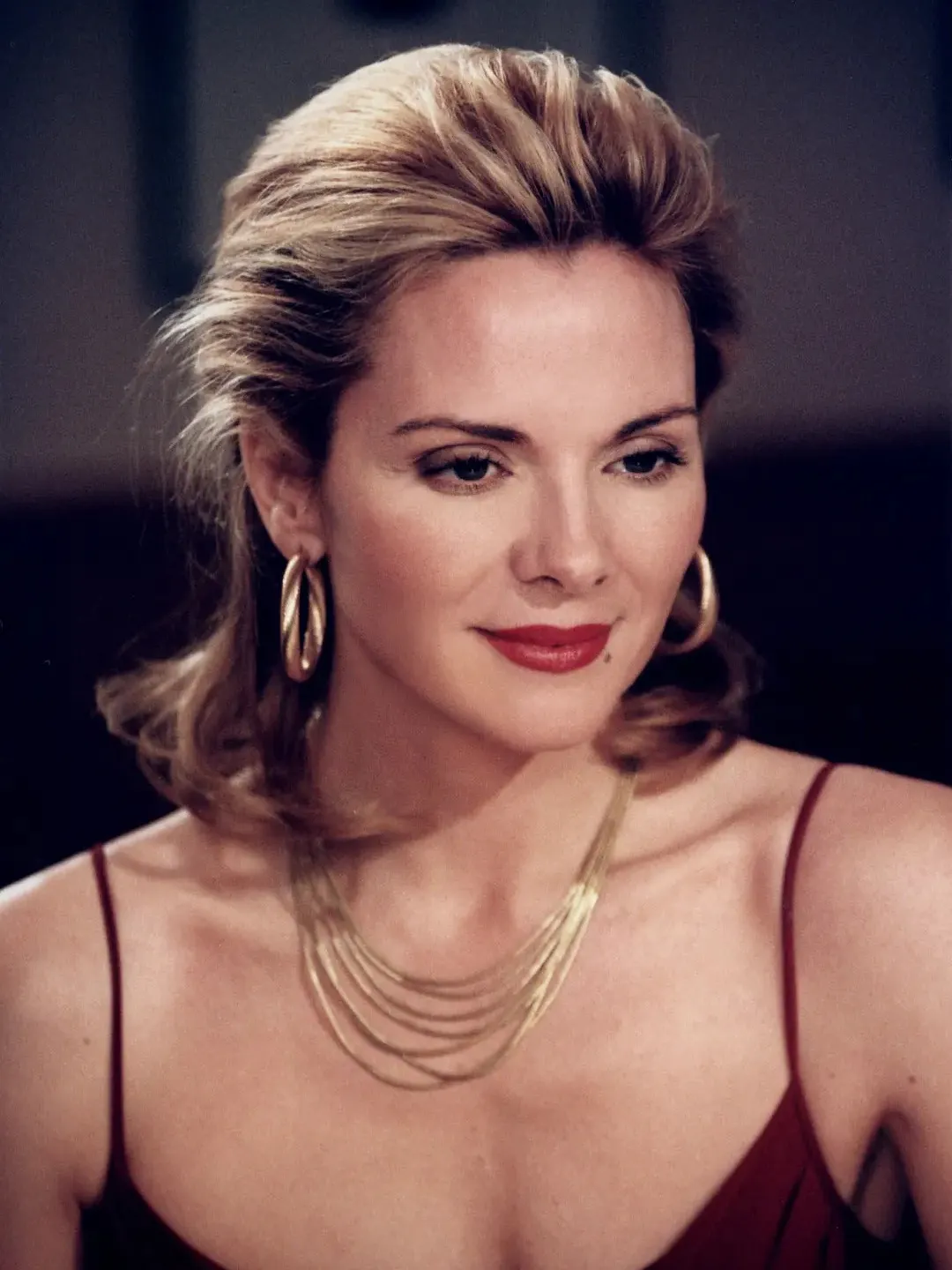
Samantha Jones's hair was the opposite of Carrie's in almost every technical sense. Where Carrie's was all movement and chaos, Samantha's was engineered. The cut, the volume, the shine, nothing was accidental.
And yet the spirit behind it was the same energy dialed up to eleven: I am exactly who I want to be, and I dressed for myself, not for you.
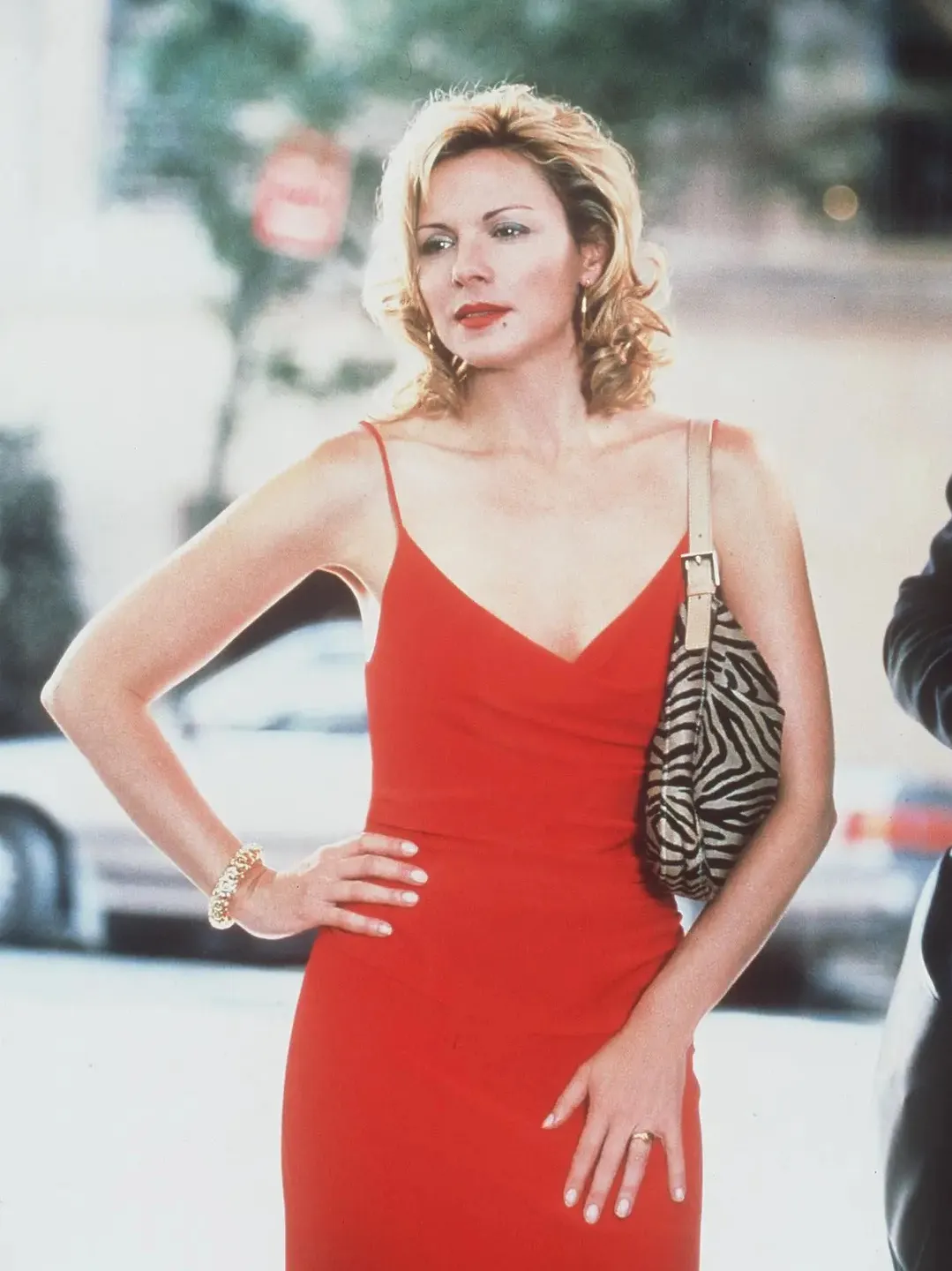
Samantha wore high-saturation color, leopard print, sequins, things with architectural shoulders. Her style wasn't soft sexy, it was what you might call dominant sexy. She built an image the way a publicist builds a brand, which made sense, because she was a publicist. She lived by the same principle she applied to her clients: you are the message.
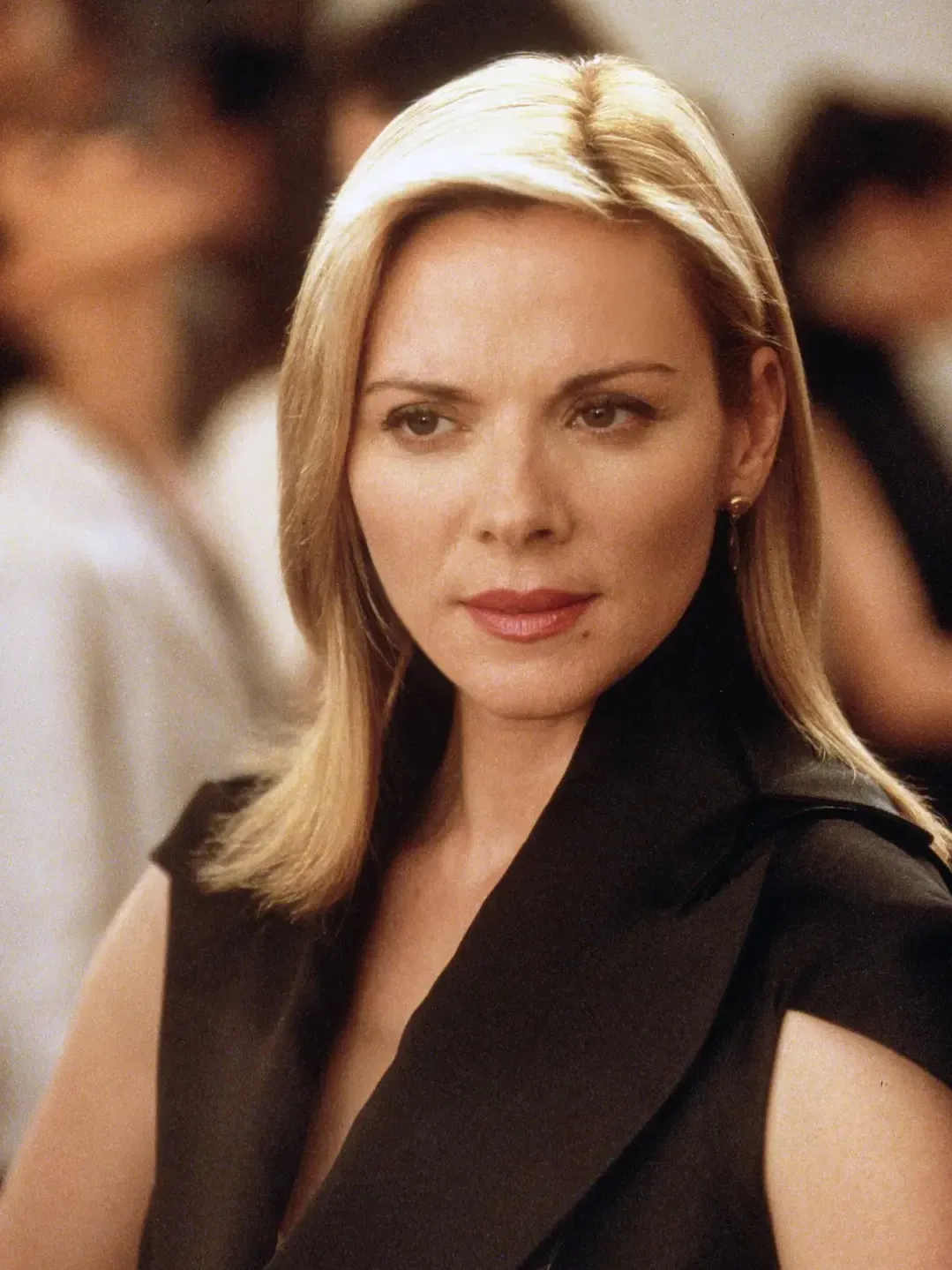
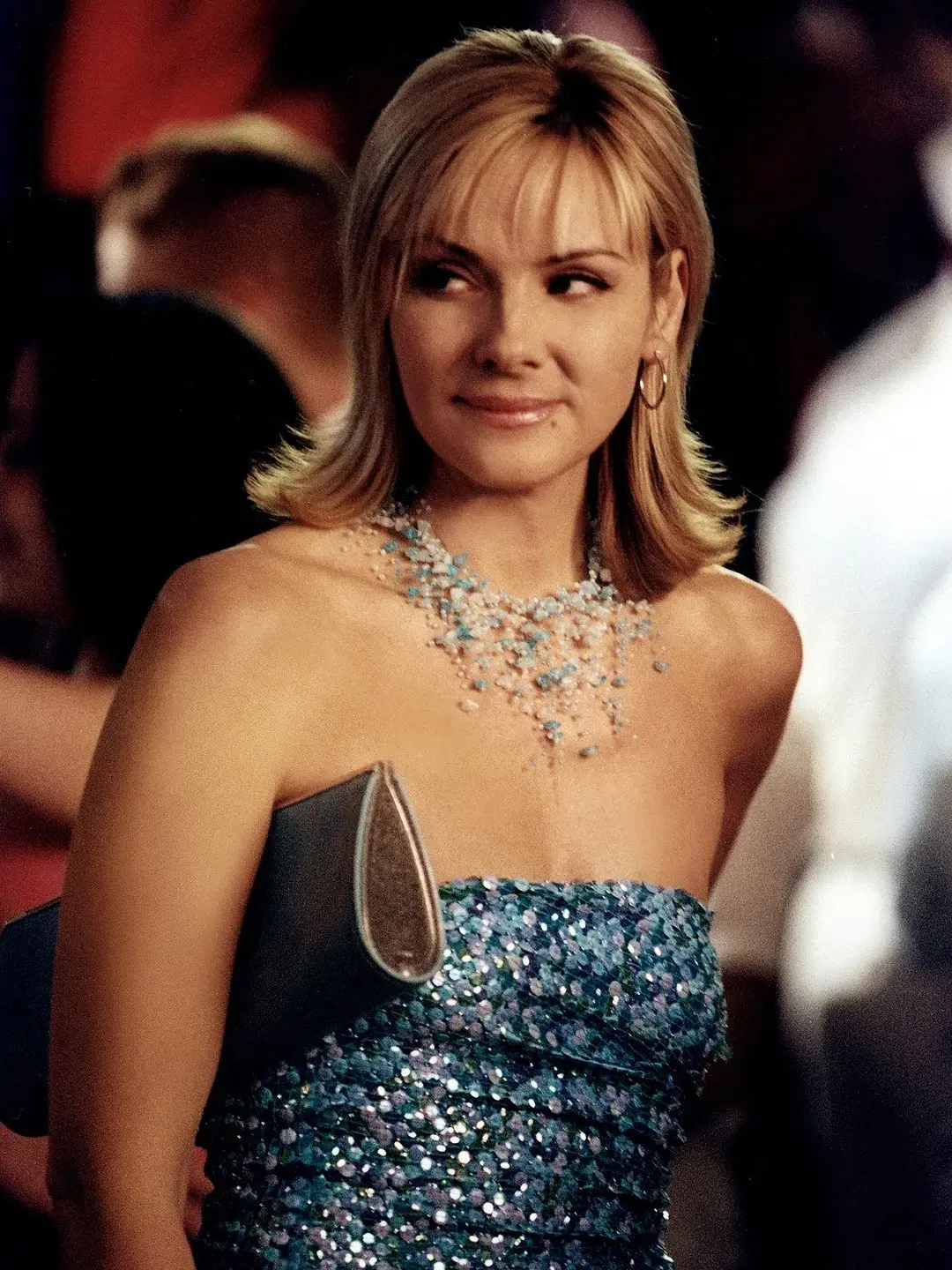
What the show did with Samantha that felt genuinely subversive was this: she didn't perform sexuality for men's benefit. She exercised it for her own. She didn't want to be chosen. She chose. Every time.
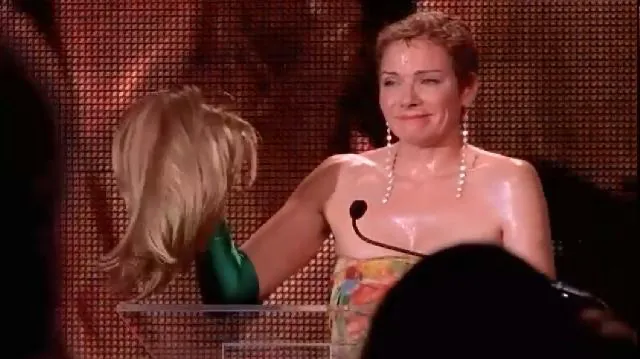
The season six breast cancer storyline is where it all landed. When chemo took her hair and she had to remove the wig in front of her partner, Samantha stood there, no constructed image, no performance, no product, and she was still entirely herself. The glamour turned out to be the least interesting thing about her. The life force underneath it was the real story.
Hair as a Language You're Already Speaking
Four women, four hairstyles, four ways of being a person in the world.
What Sex and the City understood, and what every good stylist already knows, is that hair isn't decoration. It's communication. Before anyone reads your bio or hears your voice or learns your name, they've already received a signal. The question is whether the signal you're sending matches the one you meant to send.
In real life, most of us are somewhere in the middle. Not fully Samantha, not fully Charlotte, maybe a bit Carrie on a good day, a bit Miranda on a deadline. But we're all doing the same thing: constantly editing our hair to match who we're becoming. Sometimes the cut leads the change. Sometimes it just confirms what was already happening.
There's a reason finding a stylist who actually gets you feels so rare and so good. Because a great haircut isn't just technique. It's someone seeing you clearly enough to make you look like yourself, maybe even a version of yourself you hadn't quite met yet.
What's your current hair doing for you? And has there been a cut, or a moment of not cutting, that felt like a turning point?