
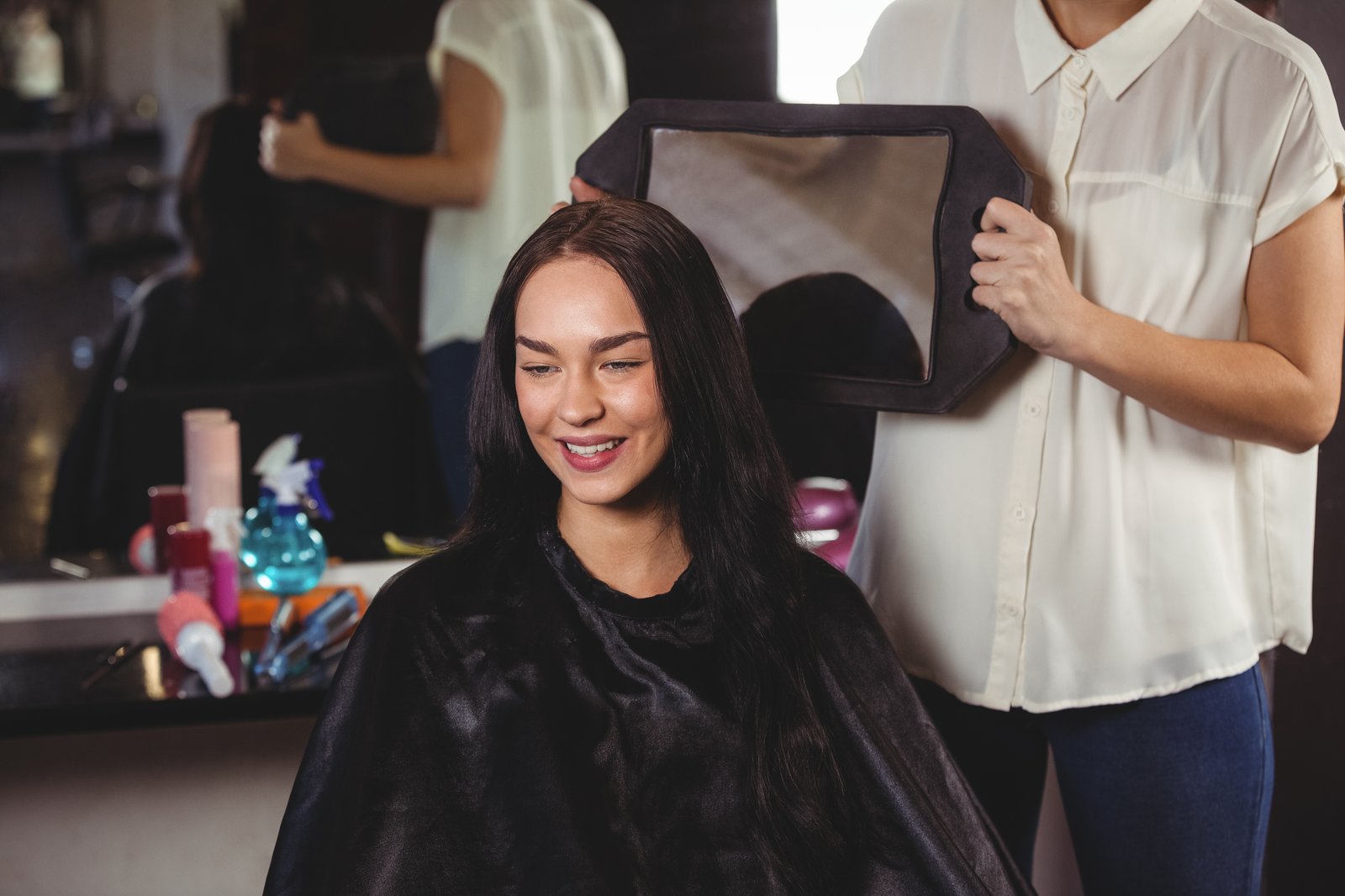
The second you sit in the chair, your stylist is already working.
You may still be taking off your coat, unlocking your phone, or saying, “I don't really know what I want, but I need a change.” Meanwhile, your stylist has already clocked the root, the ends, the shape, the scalp, the color history, and the one piece in the front that clearly has its own personality.
Stylists are trained observers. The consultation is not just about what you say. It is about what your hair is saying before you even start.
“Clients think the appointment starts when we ask what they want. For us, it starts the second they walk in.”
— Nina Patel, Colorist & Educator, Chicago
The Way Your Hair Falls Naturally
Before anyone touches a brush, your stylist wants to see how your hair lives. Not how it looks freshly styled. Not how it looks in your inspo photo. How it naturally sits when you walk in from real life.
They are noticing where your part wants to fall, whether your crown splits, how your front pieces frame your face, and whether your ends flip, collapse, or puff out.
“Every head of hair has a routine. Our job is to work with it, not bully it into behaving for one salon photo.”
— Marcus Bell, Colorist, London
Your Root Situation
Stylists look at roots the way detectives look at footprints. Your root tells them how long it has been since your last color, how fast your hair grows, how much contrast you are dealing with, and whether your current maintenance plan makes sense.
For color clients, the root reveals everything: how harsh the grow-out is, how much gray is coming in, whether the previous color was blended well, and whether you are actually low-maintenance or just hoping to be.
The ends can lie. The root does not.
The Ends, Also Known as the Receipts
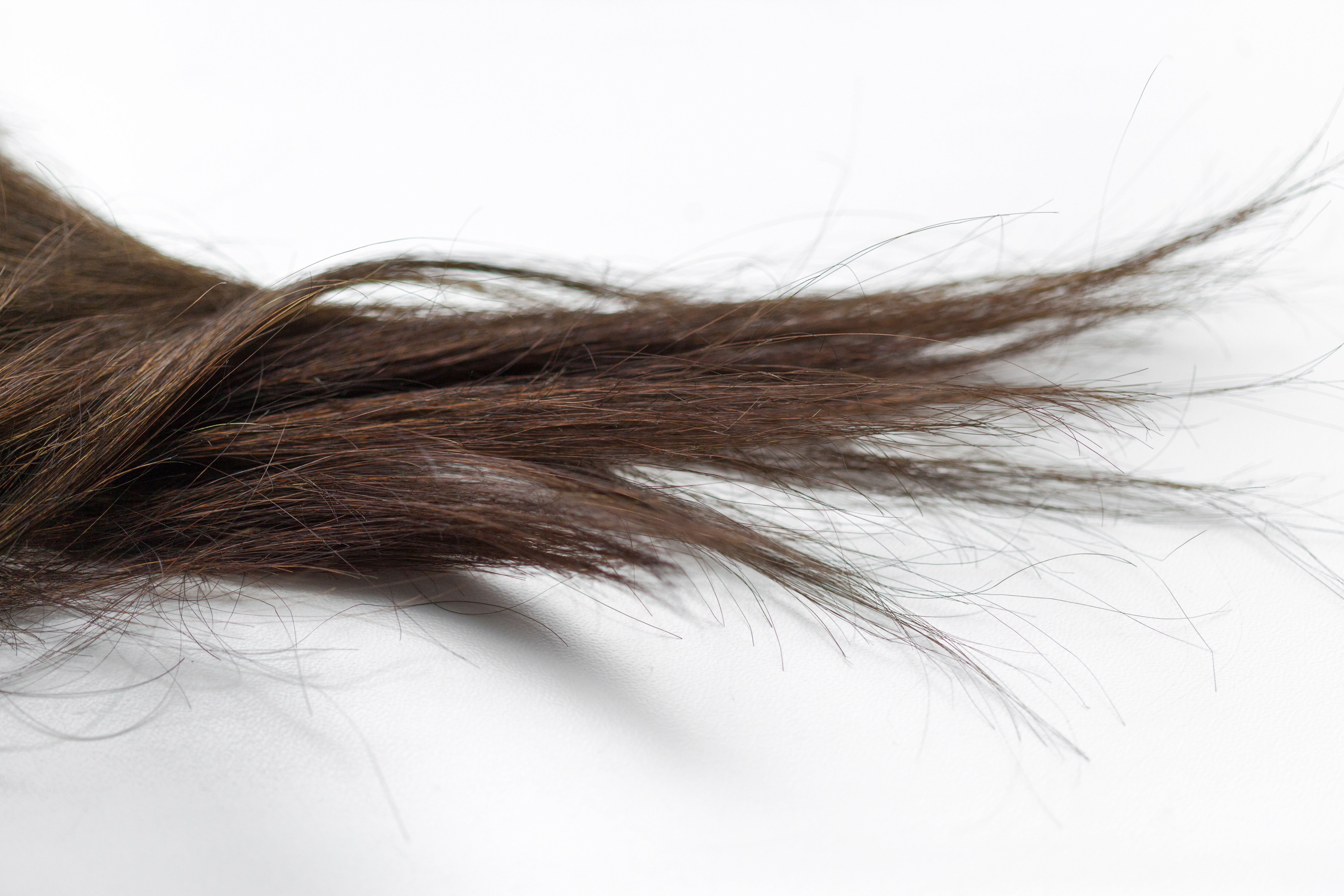
If the root tells the present, the ends tell the past. Old bleach, heat damage, box dye, previous highlights, hard water, rough brushing, too much hot tool work. It all shows up at the ends.
“Ends are receipts. They tell me what the hair has been through, even when the client says, 'I barely do anything to it.'”
— Dana Reeves, Salon Owner, Nashville
This is where your stylist decides whether your hair can handle a big color change, whether you need a hair treatment for damaged hair first, or whether those “just a little trim” ends actually need more than a little.

Your Scalp
Yes, your stylist is looking at your scalp. The scalp is the foundation of the whole appointment. If it is dry, irritated, oily, flaky, or sensitive, it affects everything from color application to styling.
A stylist may notice dryness or flaking, product buildup, redness or irritation, tender areas, or visible thinning at the part or crown. This is where conversations about scalp treatment, dandruff treatment, or scalp moisturizer come in, not because your stylist is trying to upsell you, but because healthy hair starts at the scalp.
The Density, Not Just the Thickness
Clients often say “my hair is thick” when they mean the strands are coarse. Or “my hair is thin” when they mean the strands are fine. Stylists separate the two.
Texture is the size of each strand. Density is how much hair you have on your head. You can have fine hair with high density. You can have coarse hair with low density.
“With density, we are not guessing. We are checking what the haircut can support.”
— Nina Patel, Colorist & Educator, Chicago
This is why layers can look incredible on one client and tragic on another. Same reference photo, totally different hair reality.
Your Hairline
The hairline determines how bangs sit, how face-framing layers fall, how a ponytail looks, and how color should be placed around the face. It can also reveal early signs of hair thinning, breakage, postpartum hair loss, or tension from tight styles.
Those little baby hairs around the temples? Your stylist is reading them like subtitles.
Your Previous Color, Even the One You Forgot About
Hair has a memory. That “temporary” dark gloss from last year. The box dye from college. The highlights under the brunette. The toner that grabbed weird. The bleach that still lives on the last four inches.
Your stylist is looking for all of it. This is why they ask color history questions that feel oddly specific. Old color can affect lift, tone, porosity, and whether your dream blonde is happening today or becoming a six-month plan.
Your Inspo Photo, But Not the Way You Think
When you show a reference photo, your stylist is not just looking at the pretty part. They are checking whether the lighting is realistic, whether the hair is filtered or heavily edited, what the client's natural base is, how much styling is involved, and whether your hair has the density for it.
This is why a good stylist might say, “I love this direction, but here is what it would look like on your hair.” That is not rejection. That is translation.

Your Lifestyle, Based on Clues
Stylists are not judging. They are gathering evidence. If your hair is always in a bun, that matters. If the front pieces are heat-damaged, that matters. If your color is faded but your roots are six months grown out, that really matters.
“Some clients ask for hair that belongs to a person with a completely different schedule. Our job is to make it beautiful and realistic.”
— Marcus Bell, Colorist, London
The One Thing You Keep Apologizing For
Clients apologize for everything. “My roots are so bad.” “I know my ends are terrible.” “I tried to cut my bangs.” “I used box dye but only once.”
Your stylist is usually not shocked. They have seen everything. Truly everything.
“Clients confess like they are in trouble. I'm not mad. I just need accurate information so I can get them where they want to go.”
— Dana Reeves, Salon Owner, Nashville
So yes, tell the truth. No, your stylist is probably not judging you. They are just updating the formula in their head.
What Your Stylist Is Really Deciding
By the end of those first few minutes, your stylist is already mapping the appointment, whether your goal is possible today, what needs to be adjusted, where the haircut should hold weight, where the color should be brightest, what treatment your hair needs, and what maintenance plan will keep you from hating it in six weeks.
The consultation is not small talk. It is the blueprint.
The Bottom Line
When you sit down, your stylist is not just looking at your hair. They are reading the whole story: the root, the ends, the scalp, the density, the history, the lifestyle, and the version of yourself you are trying to walk out as.
“The hair tells us what it can do. The client tells us what they want. The appointment is where we make those two things meet.”
— Nina Patel, Colorist & Educator, Chicago
That is the real work behind the chair.