
Female hair loss can come from several places. Sometimes the issue is shedding. Sometimes the follicle is slowly producing finer hair. Sometimes the hair is breaking before it has a chance to grow longer. Scalp inflammation, stress, postpartum changes, medication shifts, nutrition, thyroid issues, and tension styling can all be part of the picture.
The goal is simple: help the client understand what we are seeing, what may be driving it, and when she needs medical support.
The Main Patterns Stylists Should Separate
Pattern
Pattern thinning
What it looks like
Wider part, thinner crown, more visible scalp
What to explain to the client
The follicle is still active, but it may be producing finer, weaker hair over time.
Pattern
Shedding
What it looks like
More hair in the shower, brush, pillow, or floor
What to explain to the client
The hair cycle may have been pushed into a shedding phase by stress, illness, postpartum changes, medication, nutrition, or thyroid issues.
Pattern
Breakage
What it looks like
Thin ends, uneven lengths, short broken pieces
What to explain to the client
The hair may be snapping from damage, heat, color, tension, or extensions.
Pattern
Scalp inflammation
What it looks like
Itching, flakes, redness, soreness, oil imbalance
What to explain to the client
The scalp environment may be making it harder for the follicle to function well.
Pattern
Tension loss
What it looks like
Weak edges, thinning temples, tight-style history
What to explain to the client
Repeated pulling can stress the follicle, especially around the hairline.
| Pattern | What it looks like | What to explain to the client |
|---|---|---|
| Pattern thinning | Wider part, thinner crown, more visible scalp | The follicle is still active, but it may be producing finer, weaker hair over time. |
| Shedding | More hair in the shower, brush, pillow, or floor | The hair cycle may have been pushed into a shedding phase by stress, illness, postpartum changes, medication, nutrition, or thyroid issues. |
| Breakage | Thin ends, uneven lengths, short broken pieces | The hair may be snapping from damage, heat, color, tension, or extensions. |
| Scalp inflammation | Itching, flakes, redness, soreness, oil imbalance | The scalp environment may be making it harder for the follicle to function well. |
| Tension loss | Weak edges, thinning temples, tight-style history | Repeated pulling can stress the follicle, especially around the hairline. |
Pattern Thinning: The Follicle Gets Smaller Over Time
Female pattern hair loss usually shows up through the part, crown, and top of the head. The hairline may stay mostly intact, but the scalp becomes more visible.
The main process is miniaturization.
The follicle keeps working, but each cycle may produce a smaller, finer strand. A strong hair becomes softer. The part looks wider. The ponytail feels thinner. Under salon lighting, we start seeing more scalp between strands.
This is why early pattern thinning can be easy for clients to miss. They may still be growing hair, but the quality and size of the hair coming in has changed.
Where hormones fit
Androgens are part of the pattern-thinning conversation. Women naturally make testosterone, and in the scalp, testosterone can convert into DHT. In follicles that are sensitive to that signal, the growth phase may shorten and the follicle may gradually produce finer hair.
This does not always mean the client has a major hormone imbalance. Many women with pattern thinning have normal bloodwork. The issue can be local follicle sensitivity, genetics, life stage, and scalp biology.
Client says
“Are my hormones messed up?”
What to say
“Not always. Some follicles are more sensitive to hormone signals, even when bloodwork looks normal.”
Client says
“Why is the top thinning more?”
What to say
“Different areas of the scalp respond differently. The crown and part line are usually more vulnerable.”
Client says
“Will I go completely bald?”
What to say
“Female pattern thinning usually causes gradual density loss on top, rather than full scalp baldness.”
| Client says | What to say |
|---|---|
| “Are my hormones messed up?” | “Not always. Some follicles are more sensitive to hormone signals, even when bloodwork looks normal.” |
| “Why is the top thinning more?” | “Different areas of the scalp respond differently. The crown and part line are usually more vulnerable.” |
| “Will I go completely bald?” | “Female pattern thinning usually causes gradual density loss on top, rather than full scalp baldness.” |
Shedding: The Hair Cycle Gets Disrupted
Clients focus on shedding because they can see it. Hair in the shower feels urgent.
Shedding can happen after stress, illness, surgery, rapid weight change, postpartum changes, medication shifts, nutrition gaps, or thyroid issues. The trigger often happens months before the shedding starts, so clients may not connect the two.
Pattern thinning moves slower. Shedding can feel sudden.
That difference matters. A product may reduce fallout, but density only improves if stronger hair is growing back from the follicle.
What to ask
“When did this start?”
Why it matters
Sudden shedding and slow thinning point to different causes.
What to ask
“Did anything major happen 2 to 4 months before?”
Why it matters
Delayed shedding often follows stress, illness, surgery, postpartum shifts, or weight changes.
What to ask
“Any new medication, supplement, or birth control change?”
Why it matters
These can affect the hair cycle.
| What to ask | Why it matters |
|---|---|
| “When did this start?” | Sudden shedding and slow thinning point to different causes. |
| “Did anything major happen 2 to 4 months before?” | Delayed shedding often follows stress, illness, surgery, postpartum shifts, or weight changes. |
| “Any new medication, supplement, or birth control change?” | These can affect the hair cycle. |
Breakage: The Hair Is Snapping, Not Falling
Before recommending a growth product, check whether the hair is falling from the root or breaking along the length.
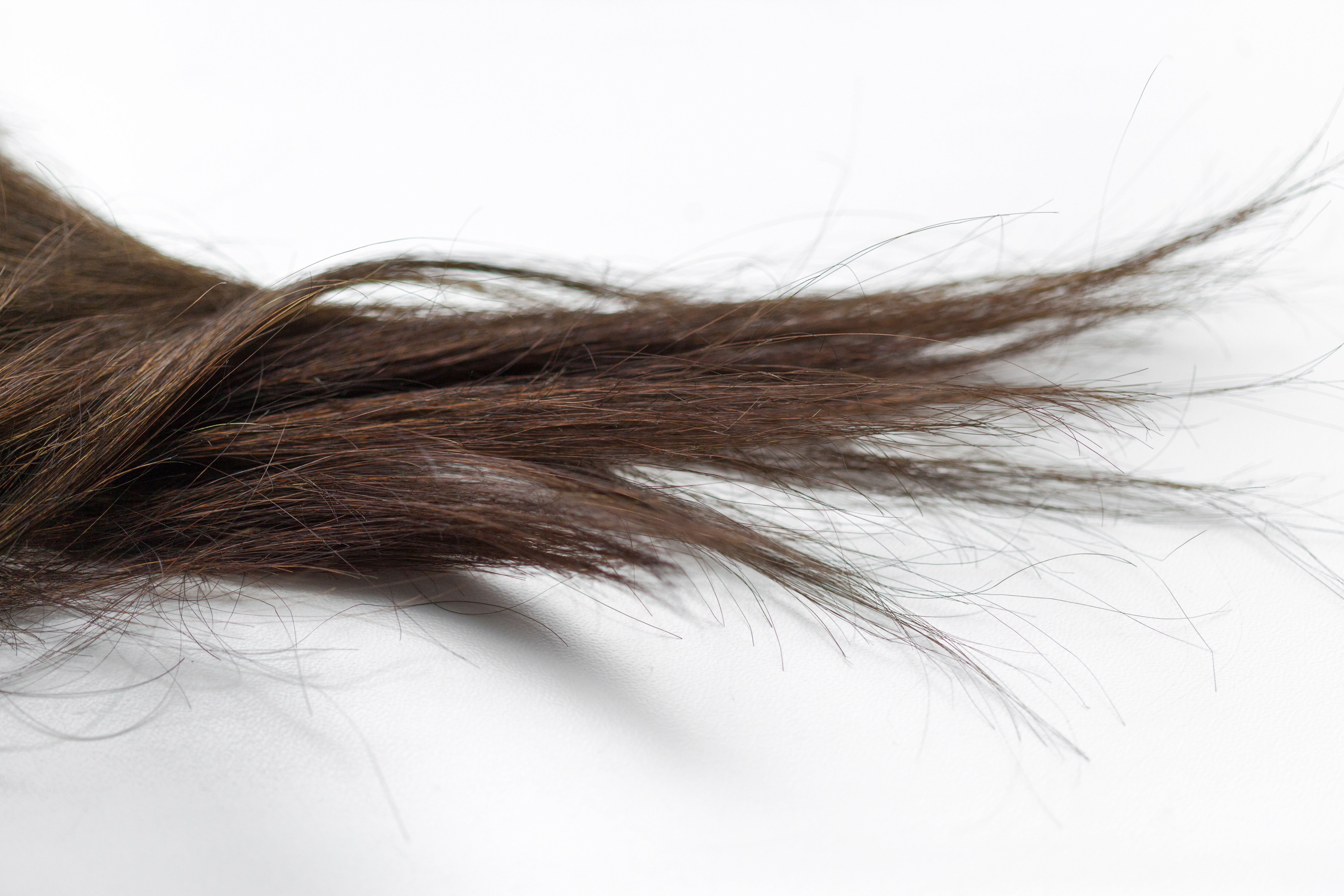
Breakage often shows up as thin ends, uneven mid-lengths, short broken pieces, or fragile hair after lightening, heat styling, chemical services, tight ponytails, or extensions.
For these clients, the first step may be a lower-tension routine, gentler color plan, heat reduction, bond support, or a cut that removes weak ends.
A growth serum will not fix hair that keeps snapping from the shaft.
Scalp Environment: The Follicle Lives There
The scalp is the follicle's working environment.
Inflammation, itching, flakes, oil imbalance, tightness, or irritation can make thinning harder to manage. Clients may treat scalp symptoms like a side issue, but the follicle is sitting inside that environment every day.
Persistent redness, scaling, pain, sores, or patchy loss should be referred to a dermatologist.
What to ask
“Any itching, burning, soreness, or flaking?”
Why it matters
Scalp inflammation may be involved.
What to ask
“Does your scalp feel oily, tight, or irritated?”
Why it matters
Scalp imbalance can affect comfort and consistency with routines.
What to ask
“Have you noticed patches or sudden bald spots?”
Why it matters
Patchy loss needs medical evaluation.
| What to ask | Why it matters |
|---|---|
| “Any itching, burning, soreness, or flaking?” | Scalp inflammation may be involved. |
| “Does your scalp feel oily, tight, or irritated?” | Scalp imbalance can affect comfort and consistency with routines. |
| “Have you noticed patches or sudden bald spots?” | Patchy loss needs medical evaluation. |
The Deeper Follicle Conversation
This is the part clients rarely hear.
Hair growth depends on the follicle and the tissue around it.
- Inside the follicle, dermal papilla cells help control hair size, growth rhythm, and follicle strength.
- Around the follicle, blood flow, oxygen response, hormone signals, inflammation, and local energy support all influence how well the follicle performs.
Clients do not need the technical terms. They need the useful takeaway:
Healthy-looking hair starts with a follicle that can produce stronger hair and stay in the growth phase long enough for density to show.
This is why one simple product story often falls short. A formula may support the scalp. Another may reduce shedding. Another may improve the feel of the hair. Real density change usually requires more direct support at the follicle and the environment around it.
What Stylists Should Say Before Recommending Products
Use language that keeps expectations realistic.
Client concern
“I just need something for shedding.”
Stylist response
“Let's track shedding, but also your part line, temples, and strand thickness.”
Client concern
“This serum says it grows hair.”
Stylist response
“Some formulas support the scalp or reduce fallout. We want to watch whether density actually changes.”
Client concern
“My ponytail feels smaller.”
Stylist response
“That can come from shedding, breakage, or finer regrowth. Let's check the scalp and the ends.”
Client concern
“I've used a serum for months and still look thin.”
Stylist response
“Less shedding is one sign, but visible density depends on the quality of the hair growing back.”
| Client concern | Stylist response |
|---|---|
| “I just need something for shedding.” | “Let's track shedding, but also your part line, temples, and strand thickness.” |
| “This serum says it grows hair.” | “Some formulas support the scalp or reduce fallout. We want to watch whether density actually changes.” |
| “My ponytail feels smaller.” | “That can come from shedding, breakage, or finer regrowth. Let's check the scalp and the ends.” |
| “I've used a serum for months and still look thin.” | “Less shedding is one sign, but visible density depends on the quality of the hair growing back.” |
When to Refer Out
Recommend a dermatologist when the client has sudden heavy shedding, patchy loss, scalp pain, burning, scaling, sores, eyebrow loss, irregular periods, acne with facial hair growth, or thinning that keeps progressing despite routine changes.
Stylists can spot patterns, protect the hair, adjust services, and guide clients away from unrealistic product expectations. Medical providers can check for scalp disease, internal triggers, and treatment options.
Chair-Side Takeaway
Female hair loss needs a layered consultation.
Start with what you can see: part line, crown density, temples, scalp condition, strand quality, and breakage. Then separate the likely pattern before recommending anything.
The most important distinction for clients is this: shedding less and rebuilding density are different outcomes.
That makes the product conversation more honest. Some products support the scalp. Some improve hair feel. Some may reduce fallout. Stronger solutions need to work closer to the follicle and support the environment that helps thicker hair grow.