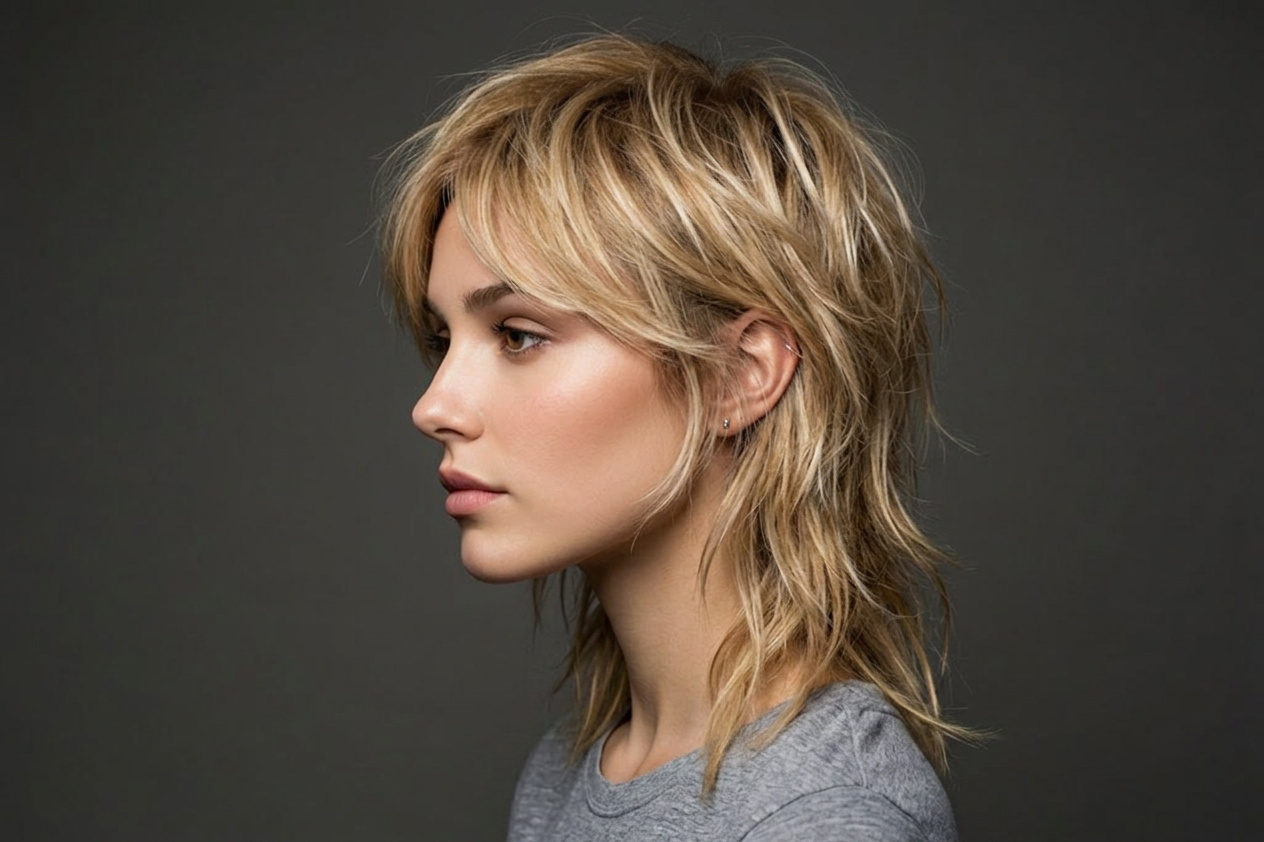
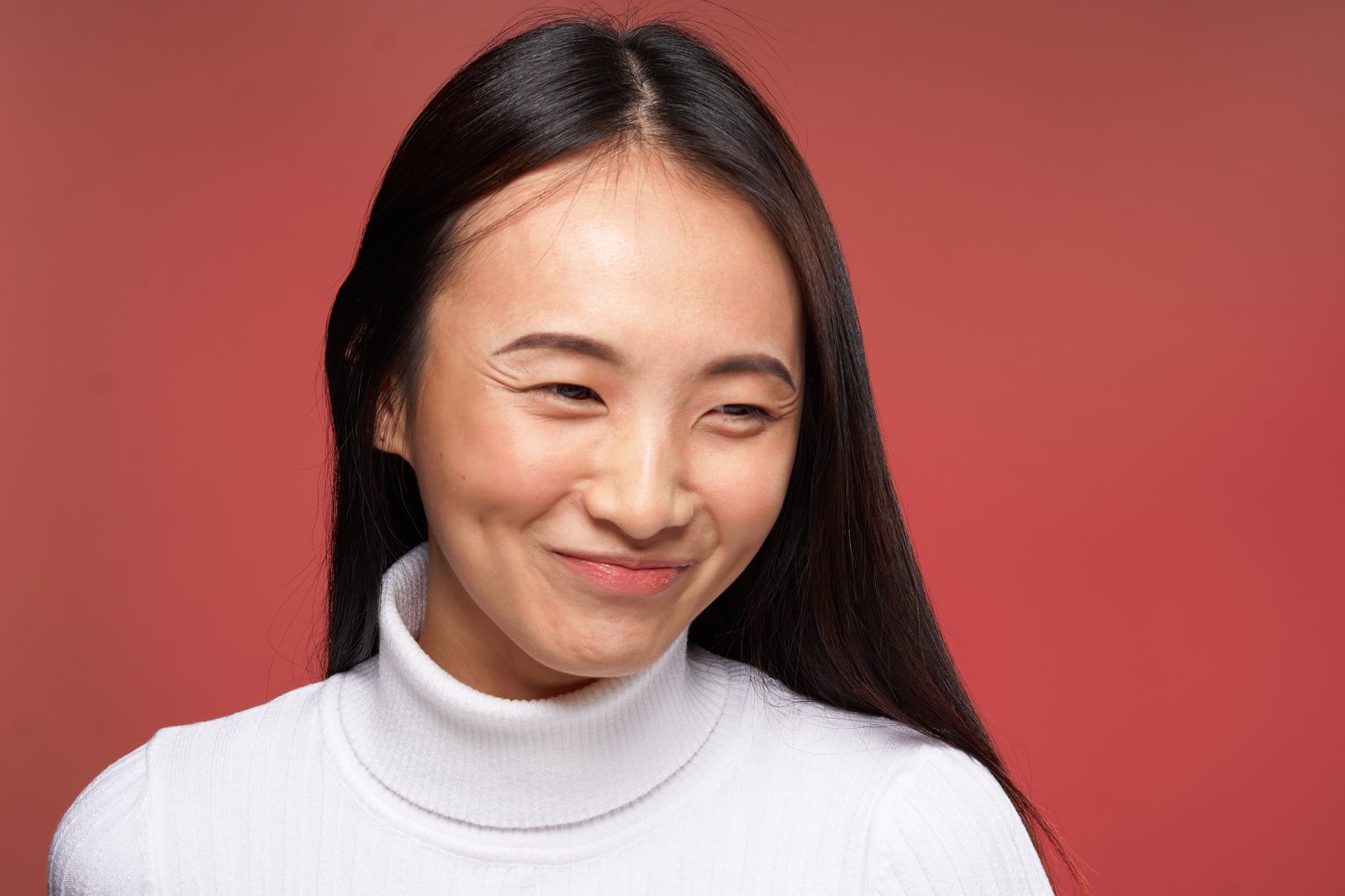
The most current haircut this year is not perfectly smooth, tucked under, or overly controlled. It moves. It bends. It has pieces that flip out around the cheekbones, jawline, collarbone, and neckline.
That is why the wolf cut keeps showing up in salons again.
But from a stylist's point of view, the wolf cut is often misunderstood. It is not just messy hair. It is a cut designed to look a little undone while still having shape. The difference is important: texture looks intentional, while frizz looks unmanaged.
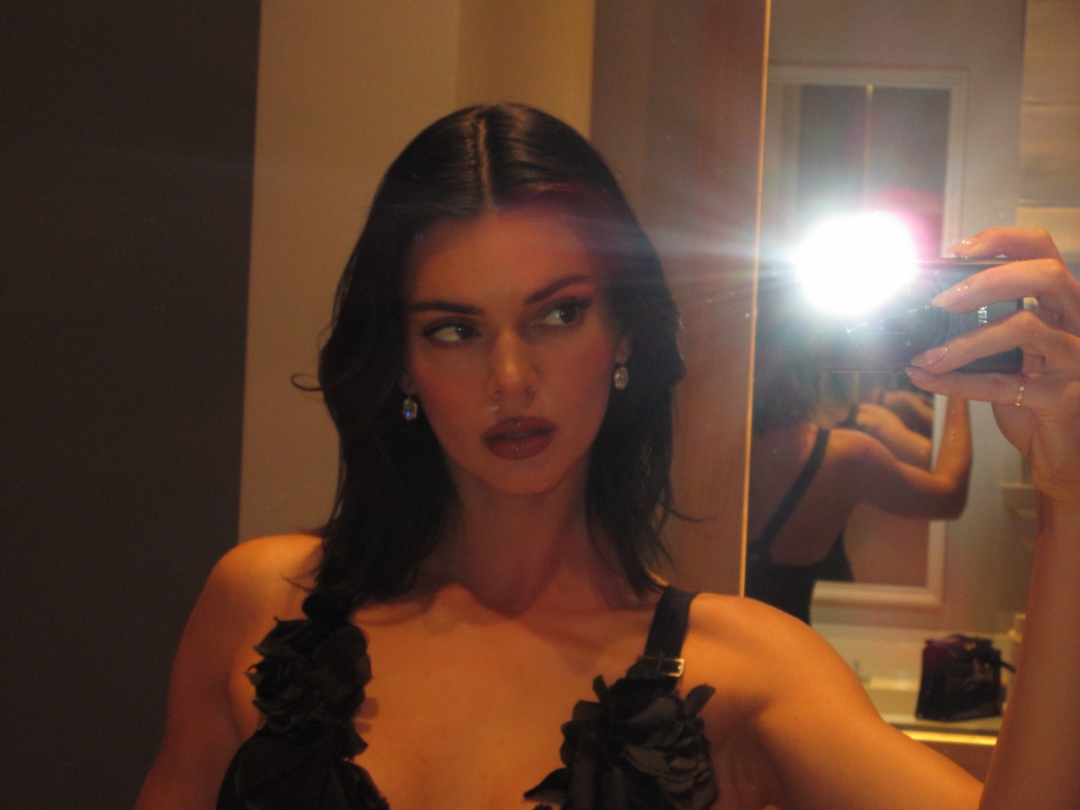
A modern wolf cut blends the structure of a shag with the attitude of a mullet. It usually has shorter, choppier layers around the crown for lift, with longer, softer pieces through the face and ends so the hair still feels wearable. Hair.com describes the wolf cut as a mix between a shag and a mullet, while Cosmopolitan notes that the cut is built around crown volume, face-framing layers, and longer movement through the bottom.
Why the Wolf Cut Works So Well Now
Clients are moving away from hair that has to sit perfectly all day. The newer mood is softer, looser, and more personal. The hair does not need to look freshly blown out every second. It needs to have life.
This is also why the wolf cut has stayed popular in Asian beauty references, especially in K-pop, Thai celebrity styling, and Korean salon trends. Teen Vogue has noted that the wolf cut has long been a favorite in South Korean salons and K-pop styling, with its mix of soft face-framing, choppy texture, and gender-fluid shape.
The wolf cut is not about looking undone. It is about looking like you did not try too hard, and that takes real skill to cut.
— Yuna Seo, Cut & Style Editor
For many non-Asian hair types, especially straight, medium-thick, or dense hair, this cut can also be very useful. It removes heaviness without taking away the whole length. It gives straight hair more direction. It helps medium-length hair look less flat. And for clients growing out a bob or short cut, it gives the awkward stage a clear shape.
The New Wolf Cut Is Softer Than Before
The early wolf cut was often more rebellious: heavy fringe, dramatic crown layers, and a stronger mullet shape. The 2026 version is more flexible.
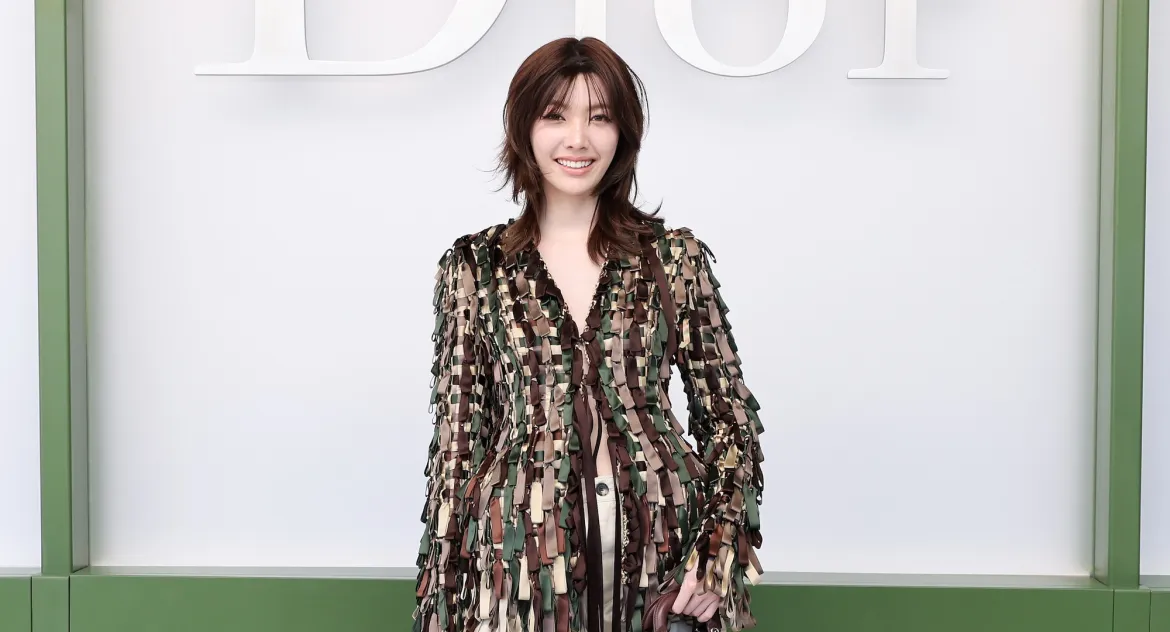
It can be sweet, cool, feminine, boyish, polished, or edgy depending on the length, bang shape, and texture. Orm Kornnaphat's recent Dior front-row look is a good Asian reference for the softer direction: airy layers, wispy bangs, brushed-out texture, and flipped ends that still feel clean.
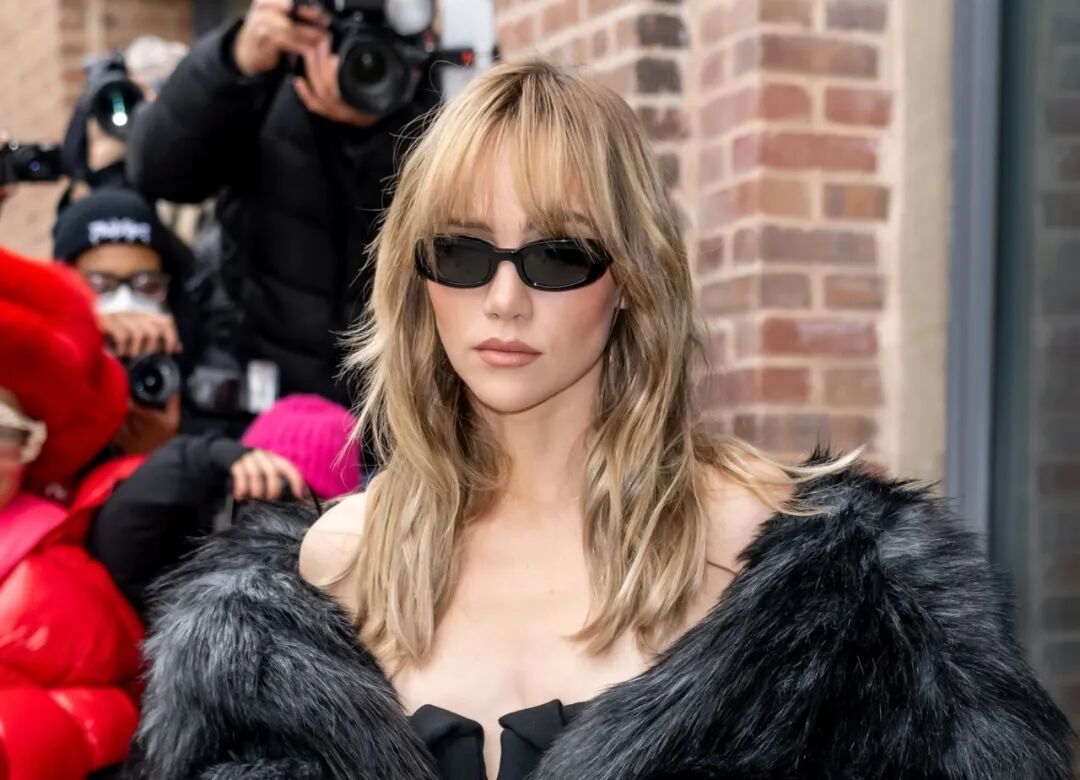
Suki Waterhouse is another useful reference. Her mid-length wolf cut was styled with long curtain bangs, an off-center part, and polished airy layers, which makes the cut feel less harsh and more wearable for everyday clients.
That is the version most clients should be asking for: movement without losing softness.
Style 1: The Soft Collarbone Wolf Cut
Best for: oval, heart-shaped, diamond, and longer face shapes
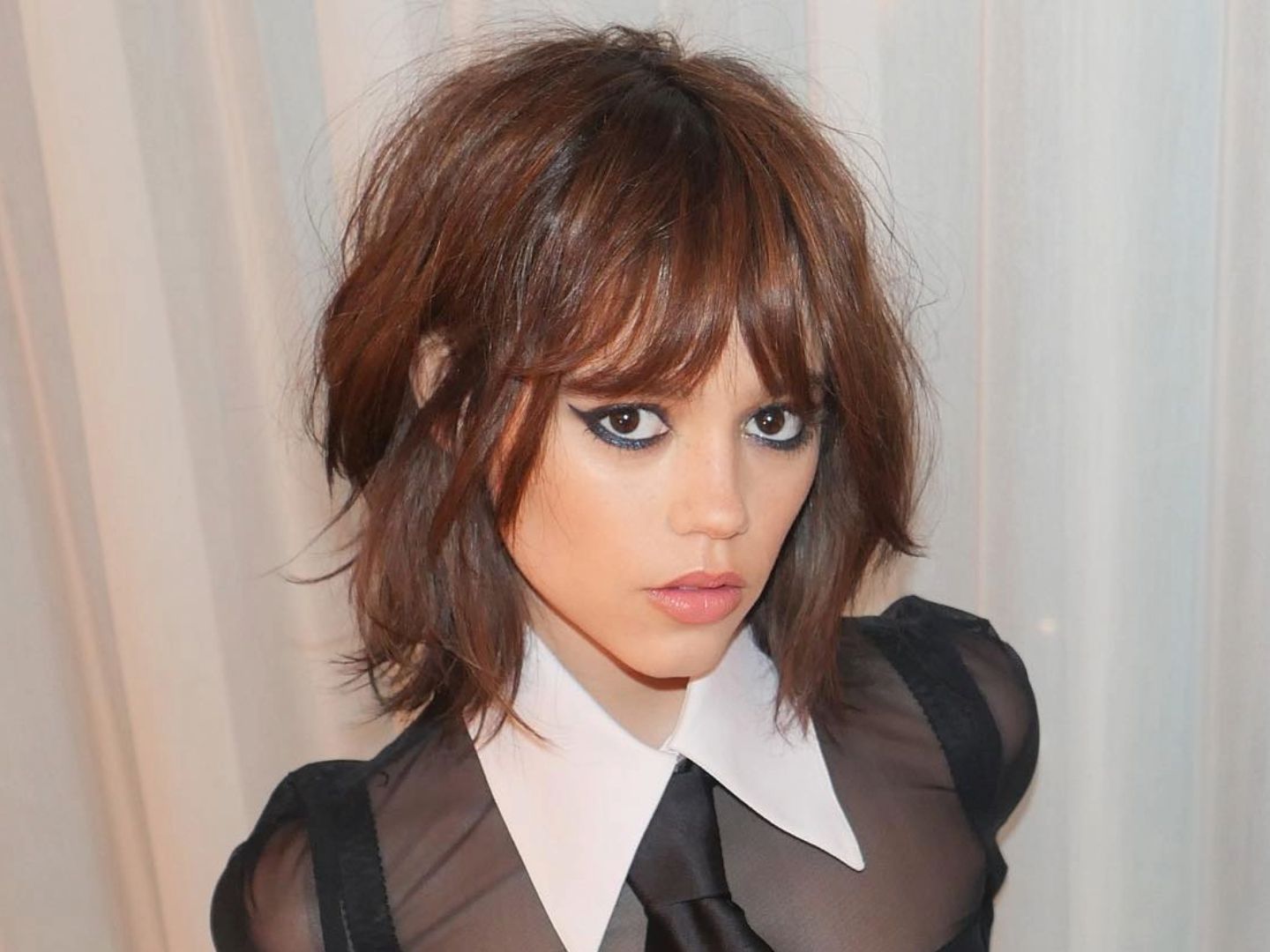
Good references: Karina, LingLing Kwong, Suki Waterhouse, Jenna Ortega
This is the easiest wolf cut to try if you are not ready for anything too extreme. The length usually sits around the collarbone or slightly below. The layers are visible, but they are not cut too high. The face-framing pieces sit around the cheekbones and jawline, which helps soften the face without making the hair feel too thin.
From a stylist's perspective, this version works because it keeps enough weight at the bottom. That matters. If the ends are over-layered, the hair can start to look stringy, especially on fine or naturally straight hair.
For styling, use a lightweight leave-in conditioner or smoothing cream if the hair gets frizzy. Then use a flat iron to slightly bend the ends outward or inward. You do not need to curl the whole head. A few bends around the face and ends are enough.
Style 2: The Airy Wolf Cut
Best for: round, oval, soft-featured, and fuller face shapes
Good references: Orm Kornnaphat, Winter
This version feels light, youthful, and slightly androgynous. The layers are broken up around the cheekbones, the bangs are usually wispy or piecey, and the neckline has movement instead of a blunt finish.
This is a strong option for clients who say, "My hair is heavy, but I do not want it short." It gives the top more lift and makes the sides feel less bulky.
The key is the bang area. Curtain bangs make it softer. Wispy bangs make it more Korean salon-inspired. A shorter fringe makes it more editorial. For rounder faces, I would avoid cutting the side layers too short near the cheek unless the client wants a very bold shape. Keeping some softness around the jawline is usually more flattering.
Style 3: The Short Statement Wolf Cut
Best for: oval faces, strong features, clients who like a bolder look
Good references: Soyeon, Miley Cyrus, Keke Palmer
This version leans closer to the mullet side of the wolf cut. The crown is shorter, the sides are more separated, and the ends have more flick. It can look very cool, but it needs the right client and the right haircut.
InStyle describes the wolf cut as a celebrity-favored layered haircut with volume, choppier top layers, and longer back layers, and points to examples like Miley Cyrus, Billie Eilish, and Keke Palmer.
For Asian references, Soyeon-style short wolf cuts work because they use the haircut almost like part of the whole image. It is not just a soft beauty cut. It changes the attitude of the face and outfit.
Stylist note: this is not the best version for someone who wants low-risk hair. If the top layers are cut too short, the grow-out can feel awkward. If the sides are too thin, the face can look wider. This version needs balance.
Style 4: The Long Wavy Wolf Cut
Best for: wavy hair, medium-to-thick hair, clients who want change without losing length
Good references: Cara Delevingne, Billie Eilish
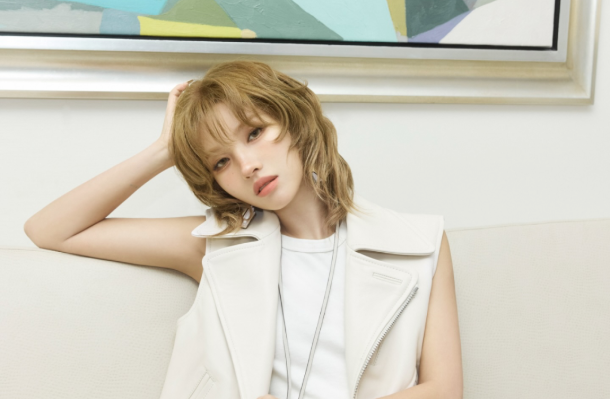
This version keeps more length through the back but adds shape through the crown and face. It works well when the client wants movement but still wants to feel like they have long hair.
Bangstyle describes Cara Delevingne's 2026 wolf cut as a softer, more refined version of the shag-mullet shape, with crown volume, textured ends, and movement that does not rely on perfect styling.
This is one of my favorite versions for clients with natural waves because the cut helps the wave pattern show up. Instead of forcing the hair into a smooth blowout, the layers let the hair separate naturally.
Stylist note: the shortest layer should not be too high unless the client has enough density to support it. If the top is too short and the bottom is too long, the haircut can look disconnected.

Why This Cut Is Good for Growing Hair Out
A lot of clients get stuck between short and long hair. The bottom starts to feel heavy, the top goes flat, and the front pieces no longer frame the face.
The wolf cut gives that in-between stage a purpose.
Instead of waiting for the hair to grow while it loses shape, the stylist can carve out movement around the crown, cheekbones, and neckline. The hair still grows, but it grows with direction.
This is especially helpful for clients growing out a bob, lob, short shag, or shoulder-length cut. The wolf cut makes the transition feel more intentional.
What to Ask Your Stylist For
Do not just say, "I want a wolf cut." That can mean too many different things.
Say something more specific:
"I want a soft wolf cut with face-framing layers, lightness through the ends, and some volume at the crown, but I do not want the top layers too short."
Then bring references. Bring one Asian reference and one Western reference if possible. This helps your stylist understand whether you want the cut to feel soft, edgy, feminine, boyish, polished, or more dramatic.
Your Hair Type
Fine hair
What to Ask For
Longer layers so the ends do not become too thin
Your Hair Type
Thick hair
What to Ask For
Weight removal without making the sides too bulky
Your Hair Type
Straight hair
What to Ask For
Soft texturizing so the layers do not look like steps
Your Hair Type
Wavy or curly hair
What to Ask For
Ask your stylist to cut with your natural texture in mind
| Your Hair Type | What to Ask For |
|---|---|
| Fine hair | Longer layers so the ends do not become too thin |
| Thick hair | Weight removal without making the sides too bulky |
| Straight hair | Soft texturizing so the layers do not look like steps |
| Wavy or curly hair | Ask your stylist to cut with your natural texture in mind |
How to Style a Wolf Cut at Home
The wolf cut does not need perfect styling, but it does need some direction.
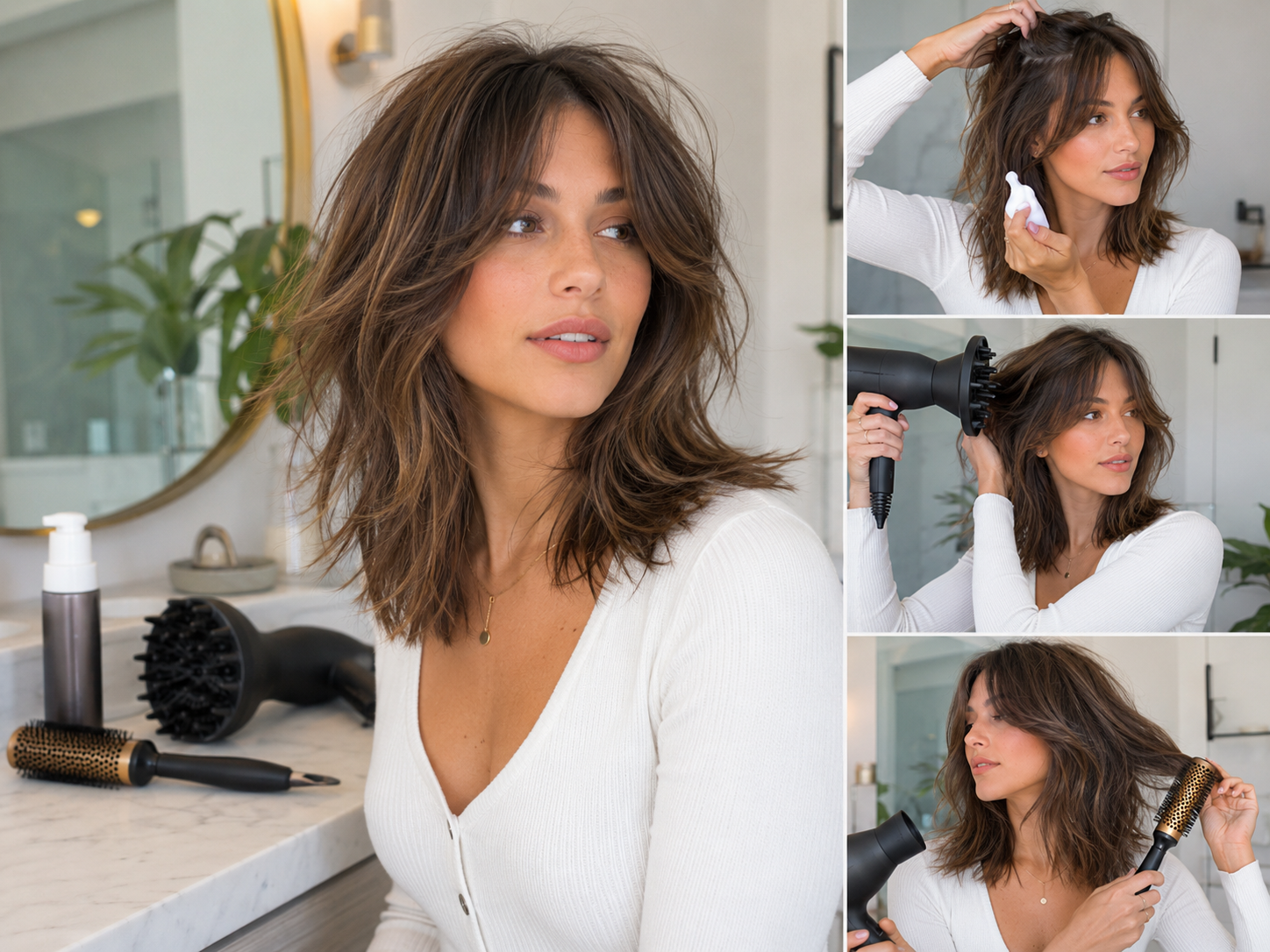
First, dry the roots. If the crown goes flat, the haircut loses its shape. Focus on lifting the top and front sections before worrying about the ends.
Second, choose the right product for your texture. Fine hair can use dry shampoo or texture spray at the roots for lift. Davines notes that dry shampoo can help very fine hair create volume and texture between washes.
For most wolf cuts, a volumizing mousse, texturizing spray, heat protectant, and light hairspray are enough. John Frieda's wolf cut styling guide also recommends mousse at the roots, a hairdryer, a round brush, and a curling iron or straightener for shaping the layers.
Third, do not over-style every piece. Flip out a few ends. Bend the face-framing pieces. Let some sections fall naturally. The haircut looks better when it has variation.
The Stylist Takeaway
The wolf cut is popular because it gives hair movement again. It is not stiff. It is not overly neat. It lets the hair have personality.
But the best wolf cuts are not random. They are customized. The stylist has to consider hair density, face shape, curl pattern, natural volume, and how much time the client actually wants to spend styling.
The real goal is not "messy hair." The goal is controlled texture: soft layers, visible movement, healthy ends, and a shape that still looks good when the hair is not perfectly done.