HairProVoices
COLOR: Brunette Glazing: The Salon Treatment Everyone's Asking ForSTYLE: Why a Good Haircut Is More Than Just "Taking Length Off"COLOR: Ready for Vivid Color? Here's What Your Stylist Wants You to KnowTEXTURE: The Curl Consultation: What to Say to Get Your Best Curls EverTIPS: How to Find a Stylist Who Gets Your Hair (And Keeps It)TIPS: How to Book the Right Stylist for Your Hair TypeTIPS: 10 Questions to Ask Before Your Next Color AppointmentPRODUCTS: Bond Builders: What They Are and Why Your Hair Needs OneBUSINESS: The $100K Solo Stylist BlueprintTECHNIQUE: What Is Balayage? Your Stylist ExplainsHAIR CARE: What Your Stylist Notices About Thinning Before You DoSTYLE: Why Layers Can Either Help or Ruin Thin HairHAIR CARE: Gua Sha for Scalp: The Treatment Stylists Are Watching CloselyCOLOR: How to Ask for a Low-Maintenance Color That Actually LastsAT HOME: At-Home Hair Care That Actually Makes a Difference (According to Stylists)BUSINESS: Why the Busiest Stylists Aren't Doing More Clients, They're Doing This InsteadPRODUCTS: The Types of Products Stylists Actually Use for Smoothing HairTIPS: What Your Stylist Is Actually Looking at When You Sit DownSTYLE: 10 G-Dragon Hairstyles Stylists Still ReferenceSTYLE: 10 Best Hair Looks at the 2026 Met GalaSTYLE: Mother's Day Special Edition: 6 Effortless Hairstyles Stylists Are LovingCOLOR: A Stylish History of Hair Color: From Ancient Pigment to Modern Salon CraftSTYLE: Clean Cuts, Strong Lines, Hot-Guy EnergySTYLE: How to Make a Slick-Back Bun Look PolishedHAIR CARE: Your Fine, Frizzy Hair Might Actually Be WavySTYLE: The 2026 Wolf Cut: Messy is the new SexySTYLE: Find the Bangs That Actually Suit YouHAIR CARE: What Stylists Should Know About Female Hair LossSTYLE: Game, Set, HairSTYLE & CULTURE: Your Hair Is Already Talking. Are You Listening?HAIR CARE: Minoxidil vs. Proprietary Molecules: Is NOVOGRO™ the Industry's Best Kept Secret?STYLE: Wet-Look Hair Can Be Chic. It Just Can't Look Greasy.HAIR CARE: Finasteride vs. NOVOGRO™: Why I'm Tired of Watching Women Borrow Men's Hair-Loss DrugsSTYLE: Short Without the Hard Edges: The French Bob I Reach ForHAIR CARE: Shedding vs. Breakage: The 2-Minute Chairside Test Every Stylist Should KnowBUSINESS: The Head Spa Opportunity: Turning Viral Interest Into Real Salon RevenueHAIR CARE: PP405 vs. NOVOGRO™: Why Salon Pros Are Questioning the Dormant Follicle HypeTECHNIQUE: What I Wish Clients Knew Before They Sat Down for ExtensionsHAIR CARE: The Real Damage Summer Does to Your Hair (and How Stylists Undo It)COLOR: There Is a Smarter Way to Go Gray, and Most Women Never Hear ItHAIR CARE: Your Shower Water Might Be the Real Reason Your Hair Feels OffHAIR CARE: How Often Should You Really Wash Your Hair? Let Me Settle This.HAIR CARE: No, You Cannot Repair a Split End. Here Is What Actually Happens.HAIR CARE: Your Flat Iron Runs Hotter Than Your Oven. Your Hair Notices Before You Do.TECHNIQUE: Everyone Is Oiling Their Hair Right Now. Half of Them Are Doing It Backwards.TEXTURE: The Perm Is Back, and It Is Nothing Like the One That Scared Your MotherBUSINESS: Your Clients Are Already Buying Scalp Care. Just Not From You.TECHNIQUE: Your Hair Was Cut Wet. That's Why It Never Looks Like It Did In The Chair.TECHNIQUE: Are Straight Perms Bad for Your Hair? Experts Explain.COLOR: Brunette Glazing: The Salon Treatment Everyone's Asking ForSTYLE: Why a Good Haircut Is More Than Just "Taking Length Off"COLOR: Ready for Vivid Color? Here's What Your Stylist Wants You to KnowTEXTURE: The Curl Consultation: What to Say to Get Your Best Curls EverTIPS: How to Find a Stylist Who Gets Your Hair (And Keeps It)TIPS: How to Book the Right Stylist for Your Hair TypeTIPS: 10 Questions to Ask Before Your Next Color AppointmentPRODUCTS: Bond Builders: What They Are and Why Your Hair Needs OneBUSINESS: The $100K Solo Stylist BlueprintTECHNIQUE: What Is Balayage? Your Stylist ExplainsHAIR CARE: What Your Stylist Notices About Thinning Before You DoSTYLE: Why Layers Can Either Help or Ruin Thin HairHAIR CARE: Gua Sha for Scalp: The Treatment Stylists Are Watching CloselyCOLOR: How to Ask for a Low-Maintenance Color That Actually LastsAT HOME: At-Home Hair Care That Actually Makes a Difference (According to Stylists)BUSINESS: Why the Busiest Stylists Aren't Doing More Clients, They're Doing This InsteadPRODUCTS: The Types of Products Stylists Actually Use for Smoothing HairTIPS: What Your Stylist Is Actually Looking at When You Sit DownSTYLE: 10 G-Dragon Hairstyles Stylists Still ReferenceSTYLE: 10 Best Hair Looks at the 2026 Met GalaSTYLE: Mother's Day Special Edition: 6 Effortless Hairstyles Stylists Are LovingCOLOR: A Stylish History of Hair Color: From Ancient Pigment to Modern Salon CraftSTYLE: Clean Cuts, Strong Lines, Hot-Guy EnergySTYLE: How to Make a Slick-Back Bun Look PolishedHAIR CARE: Your Fine, Frizzy Hair Might Actually Be WavySTYLE: The 2026 Wolf Cut: Messy is the new SexySTYLE: Find the Bangs That Actually Suit YouHAIR CARE: What Stylists Should Know About Female Hair LossSTYLE: Game, Set, HairSTYLE & CULTURE: Your Hair Is Already Talking. Are You Listening?HAIR CARE: Minoxidil vs. Proprietary Molecules: Is NOVOGRO™ the Industry's Best Kept Secret?STYLE: Wet-Look Hair Can Be Chic. It Just Can't Look Greasy.HAIR CARE: Finasteride vs. NOVOGRO™: Why I'm Tired of Watching Women Borrow Men's Hair-Loss DrugsSTYLE: Short Without the Hard Edges: The French Bob I Reach ForHAIR CARE: Shedding vs. Breakage: The 2-Minute Chairside Test Every Stylist Should KnowBUSINESS: The Head Spa Opportunity: Turning Viral Interest Into Real Salon RevenueHAIR CARE: PP405 vs. NOVOGRO™: Why Salon Pros Are Questioning the Dormant Follicle HypeTECHNIQUE: What I Wish Clients Knew Before They Sat Down for ExtensionsHAIR CARE: The Real Damage Summer Does to Your Hair (and How Stylists Undo It)COLOR: There Is a Smarter Way to Go Gray, and Most Women Never Hear ItHAIR CARE: Your Shower Water Might Be the Real Reason Your Hair Feels OffHAIR CARE: How Often Should You Really Wash Your Hair? Let Me Settle This.HAIR CARE: No, You Cannot Repair a Split End. Here Is What Actually Happens.HAIR CARE: Your Flat Iron Runs Hotter Than Your Oven. Your Hair Notices Before You Do.TECHNIQUE: Everyone Is Oiling Their Hair Right Now. Half of Them Are Doing It Backwards.TEXTURE: The Perm Is Back, and It Is Nothing Like the One That Scared Your MotherBUSINESS: Your Clients Are Already Buying Scalp Care. Just Not From You.TECHNIQUE: Your Hair Was Cut Wet. That's Why It Never Looks Like It Did In The Chair.TECHNIQUE: Are Straight Perms Bad for Your Hair? Experts Explain.
Are Straight Perms Bad for Your Hair? Experts Explain.
Technique

Are Straight Perms Bad for Your Hair? Experts Explain.

A straight perm can trade your daily flat iron for smooth, low-maintenance hair, but it's a chemical service, not a shortcut. Here's what actually determines whether it helps your hair or harms it.

Jul 30, 2026 6 min read

Straight, sleek hair has remained a timeless look, and for many people, a straight perm offers a way to achieve it without reaching for a flat iron every morning. But if you've spent any time researching the treatment, you've probably come across one recurring question: are straight perms bad for your hair?

The short answer? Not necessarily, but they aren't risk-free either. Like any chemical hair service, the results largely depend on your hair's current condition, the products used, your stylist's expertise, and how well you care for your hair afterward.

Here's what you should know before booking your appointment.
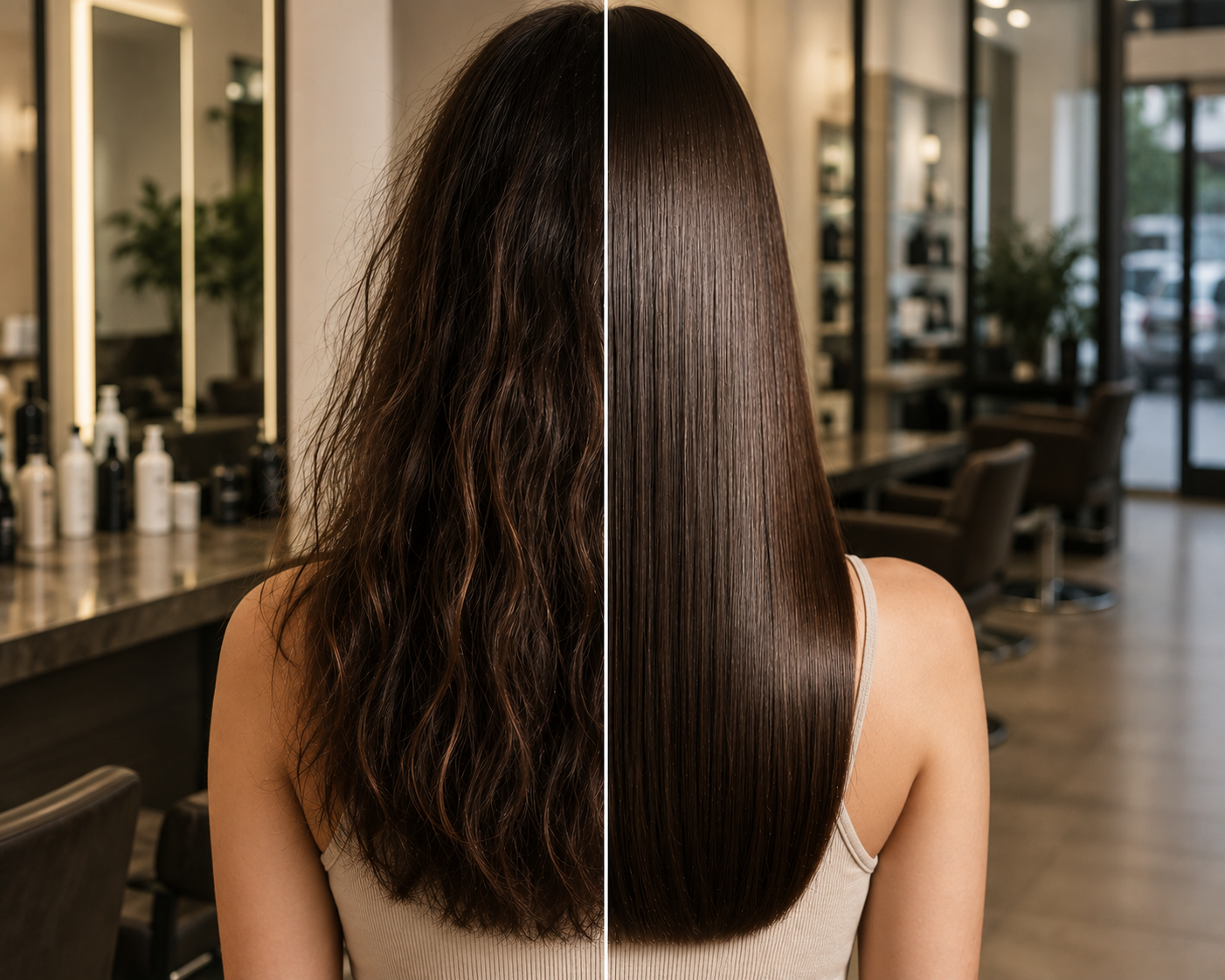
A professionally performed straight perm can take hair from wavy and frizz-prone to smooth and sleek, the results depend on the hair's starting condition.

What Is a Straight Perm?

Despite the name, a straight perm is essentially the opposite of a traditional curling perm. Instead of creating curls, the treatment uses chemical solutions to break down the hair's natural bonds before restructuring them into a straighter shape.

This process permanently alters the treated hair, meaning it won't return to its previous texture. Only new hair growth will retain your natural pattern, so touch-ups are typically needed every few months if you want to maintain consistently straight hair.

Can Straight Perms Damage Hair?

Yes, but it's important to understand what "damage" actually means.

Chemical straightening works by changing the internal structure of the hair. Because the process intentionally breaks and reforms protein bonds, some degree of structural stress is unavoidable. However, that doesn't mean every straight perm leaves hair feeling dry, brittle, or unhealthy.

When performed on healthy hair by an experienced professional, many people achieve smooth, shiny results with minimal visible damage. Problems are more likely to occur when hair has already been weakened or when the service isn't performed correctly.

Who Is Most at Risk?

Not every hair type responds to chemical straightening the same way.

Your hair may be more susceptible to damage if it is:

  • Bleached or heavily lightened
  • Extremely dry or brittle
  • Severely heat damaged
  • Frequently colored or chemically processed
  • Already experiencing significant breakage

In these situations, your stylist may recommend waiting until your hair is healthier or suggest a different smoothing treatment instead.
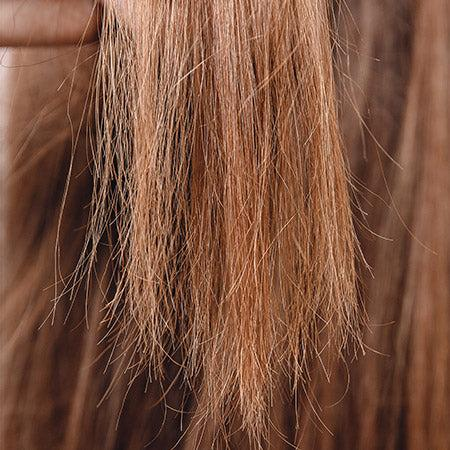
Hair that is already dry, brittle, or split at the ends is far more likely to react badly to chemical straightening.

Signs Your Hair May Not Be Ready

One of the most important parts of any straight perm appointment happens before the chemicals are even applied: the consultation.

A professional stylist will assess your hair's elasticity, strength, previous chemical history, and overall condition before determining whether you're a good candidate.

If your hair stretches excessively when wet, snaps easily, or feels rough from previous processing, postponing the service may be the healthiest choice.
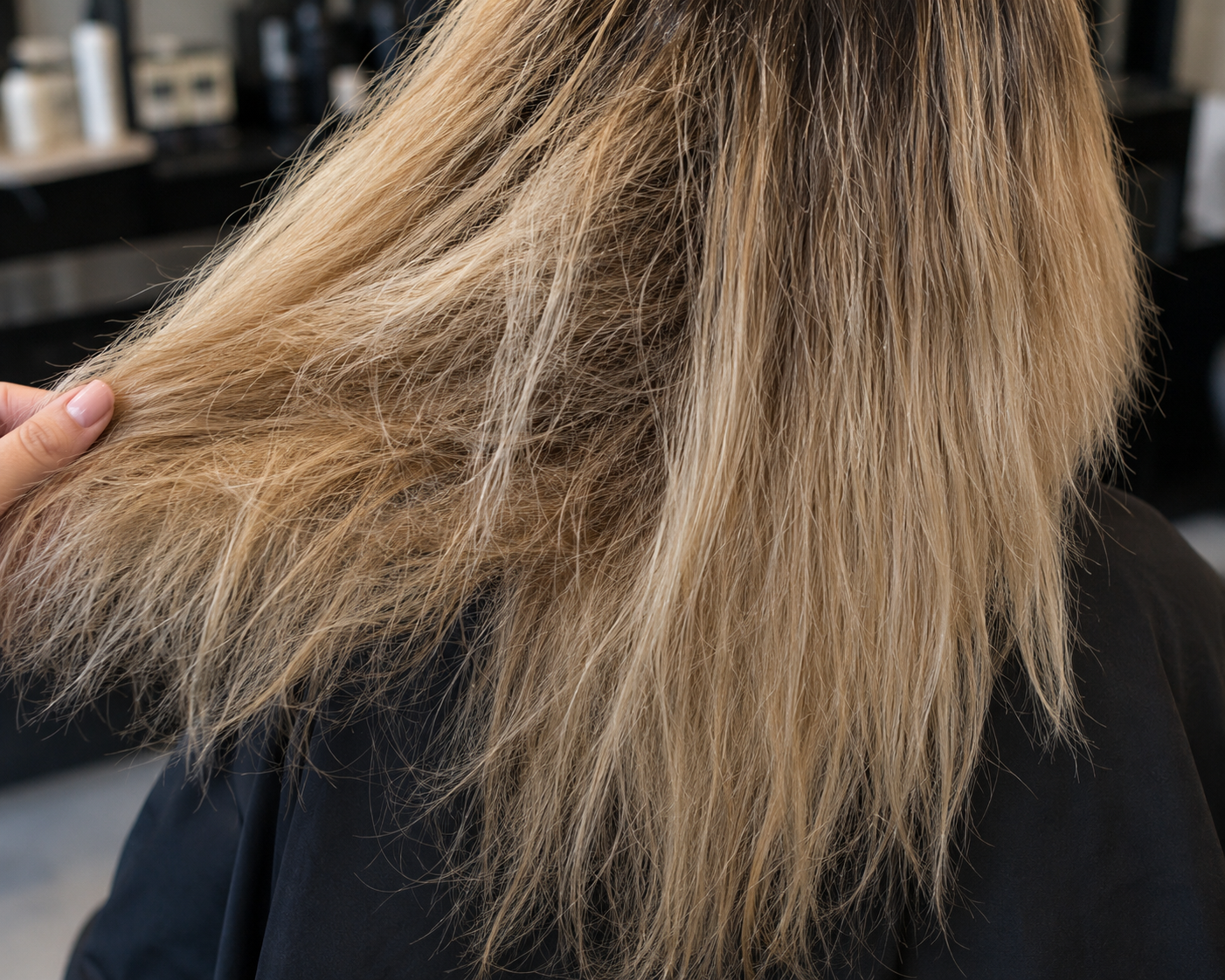
Frizzy, over-processed hair that stretches or snaps easily is a sign to wait, not to book.

How to Keep Hair Healthy After a Straight Perm

Aftercare plays a major role in maintaining both the look and health of chemically straightened hair.

To help minimize dryness and breakage:

  • Wait the amount of time recommended by your stylist before washing your hair.
  • Use moisturizing, sulfate-free shampoos and conditioners.
  • Incorporate a weekly deep conditioning treatment.
  • Limit unnecessary heat styling whenever possible.
  • Apply a heat protectant before blow drying or using hot tools.
  • Schedule regular trims to remove dry or split ends.

Hydrated hair tends to remain smoother, shinier, and more manageable between appointments.

Straight Perm vs. Daily Heat Styling

Many people assume a straight perm is automatically more damaging than using a flat iron every day, or vice versa. In reality, both approaches have trade-offs.

A straight perm involves a single intensive chemical process that permanently changes the treated hair. Daily heat styling doesn't alter the hair chemically, but repeated exposure to high temperatures can gradually weaken the cuticle, increase dryness, and lead to breakage over time.

For someone who relies on a flat iron every morning, a professionally performed straight perm may actually reduce overall heat exposure. On the other hand, someone with healthy natural texture who only occasionally straightens their hair may not benefit from permanent chemical processing.

Is a Straight Perm Worth It?

If your goal is smoother, lower-maintenance hair, a straight perm can be an excellent option, provided your hair is healthy enough for the treatment.

Before making a decision, ask yourself:

  • Is my hair currently healthy?
  • Am I willing to invest in proper aftercare?
  • Have I chosen an experienced stylist?

Answering "yes" to these questions can help improve your chances of achieving beautiful, long-lasting results.

The Bottom Line

Straight perms aren't inherently "bad" for your hair, but they are a chemical service that requires careful consideration. Healthy hair, an experienced stylist, and a consistent aftercare routine all play a role in minimizing damage and maximizing results.

If you're unsure whether a straight perm is right for you, schedule a consultation first. A professional assessment can help determine whether your hair is ready, or whether another smoothing treatment would be a better fit.


About the Author

Renata Voss
Renata Voss

Stylist & Salon Educator · HairProVoices

Renata Voss is a stylist and salon educator with fifteen years behind the chair. She has a soft spot for the old techniques that keep coming back as trends, and writes about technique and the reality behind viral hair videos for HairProVoices.

Newsletter

Get the Best Hair
Advice, Weekly

Join 85,000+ readers getting stylist-curated trend reports, care tips, and inspiration, straight to your inbox.

No spam, ever Weekly digest Unsubscribe anytime