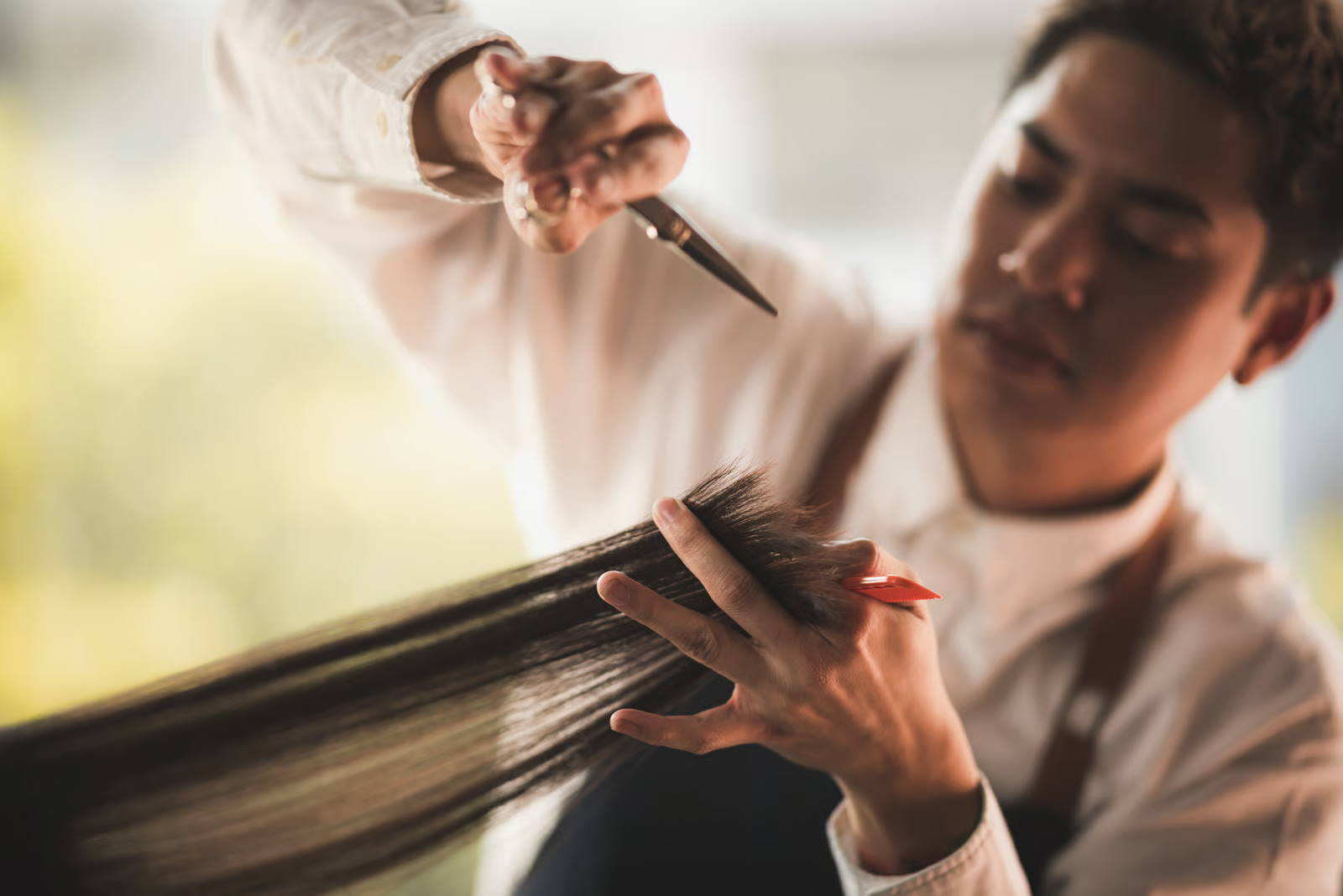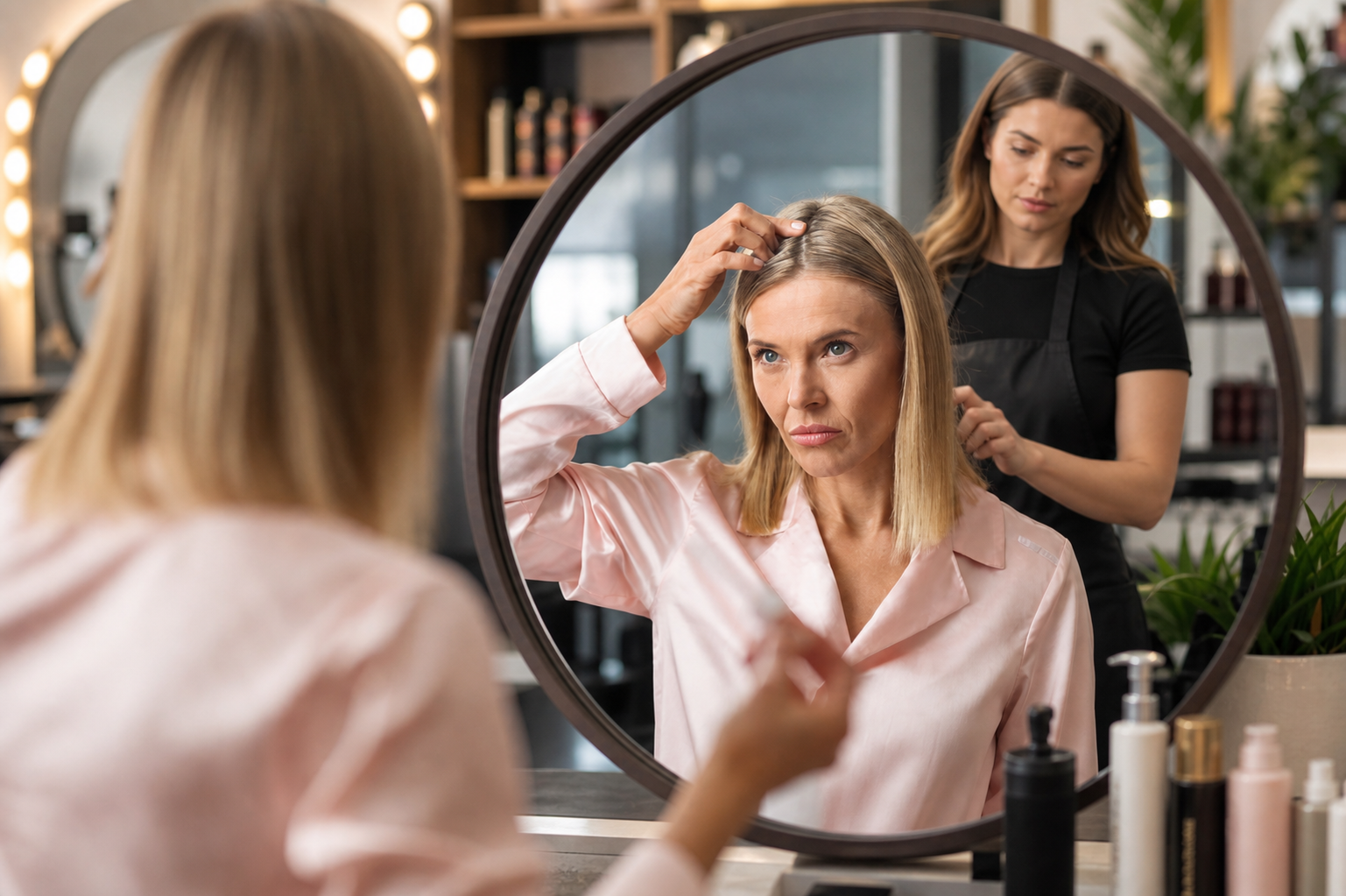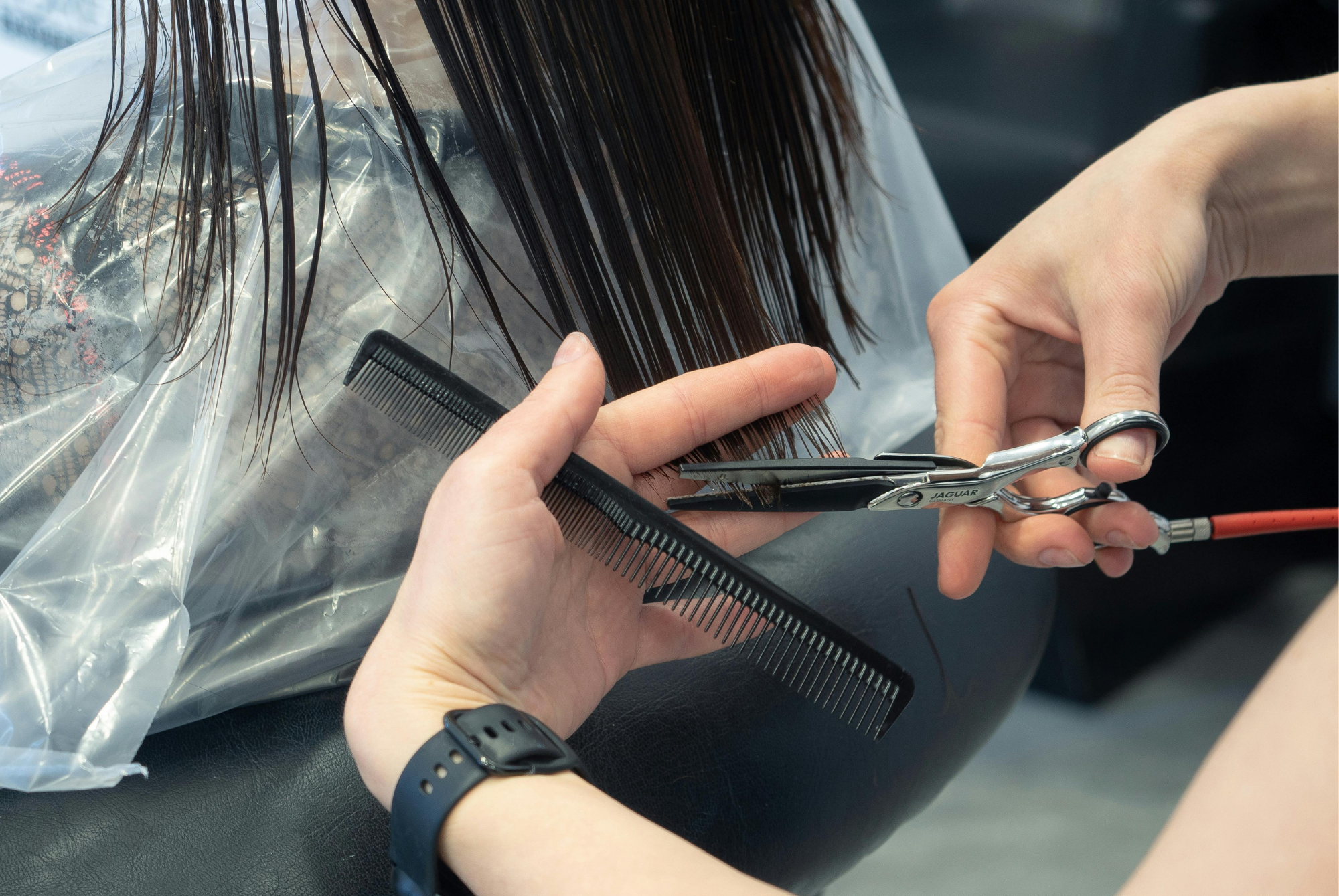
There is a moment at almost every haircut when the stylist finishes the blowout, turns the chair around, and you think, This is exactly what I wanted.
Your hair has movement. The layers sit perfectly. The face-framing pieces fall in exactly the right place. Then you wash it at home.
You let it air-dry. You brush it. Maybe you add a little product, if you remember. Suddenly, the haircut does not look quite like the one you left the salon with.
That does not necessarily mean your stylist gave you a bad haircut.
It may mean your haircut was designed around a styling routine you do not actually have.
Your Stylist Needs to Know How You Really Wear Your Hair
One of the most useful things you can tell your hairdresser is also one of the easiest to leave out: “I don't really style my hair.”
Do not say it apologetically. It is important information for your hairdresser to give you the best service suited to you.
Your stylist needs to know whether you blow-dry every morning, spend 30 minutes with a curling iron, diffuse your curls, straighten your hair occasionally, or simply wash it and let it do whatever it wants.
A haircut creates a shape, but styling helps reveal that shape. A heavily layered cut may look soft and voluminous after a professional blowout because a stylist knows exactly where to direct the brush and dryer. At home, those same layers may flip, fall flat, or separate if you are not recreating the technique.
The same is true of bangs, face-framing pieces, curtain bangs, and textured ends.
Your routine is part of the haircut.
What to Tell Your Stylist Before the Cut
You do not need to know complicated haircut terminology.
Instead, explain your routine.
Try saying:
“I usually air-dry my hair and don't want to style it every morning.”
Or:
“I am happy to spend 20 minutes styling it, so I don't mind a cut that needs some work.”
You can also explain:
- How often you use heat
- Whether you air-dry or blow-dry
- Whether you wear your hair up most days
- How often you wash it
- Whether you use styling products
- Whether you are willing to learn a new styling technique
- How much time you realistically want to spend on your hair
That last one matters more than people think.
There is a difference between “I want effortless hair” and “I want hair that looks effortless after 25 minutes of styling.”
Your stylist needs to know which one you mean.
If You Rarely Style Your Hair, Say So
There is nothing wrong with wanting a haircut that requires almost nothing from you.
In fact, that should influence what your stylist recommends.
If your ideal morning routine is washing your hair, getting dressed, and leaving the house, tell your stylist. You may want to avoid a cut that depends on round-brushing, curling, straightening, or carefully placing individual layers.
That does not mean you need a boring haircut. It means you need a haircut that has enough structure to look intentional without requiring a styling tutorial every morning.
Here are three cut styles that may be suited to your routine.
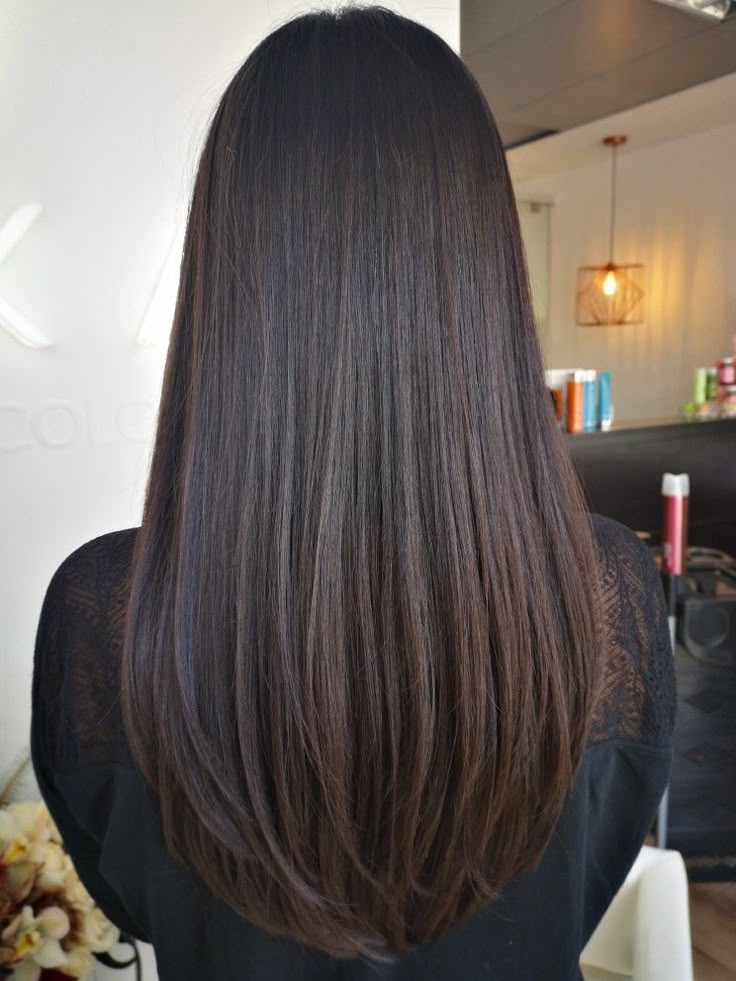
The Blunt or Soft Blunt Cut
A blunt cut can be one of the easiest options for someone who wants to do very little with their hair.
The strong perimeter gives the hair an intentional shape even when it is simply air-dried. This can work particularly well for straight or slightly wavy hair, although the exact length and weight should be adjusted for your texture and density.
The key is not necessarily to ask for a completely one-length cut. Your stylist can decide whether a subtle amount of internal shaping is needed so the hair does not feel heavy.
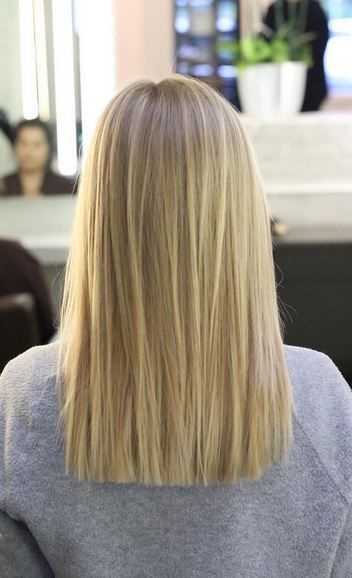
The Long, Minimal-Layer Cut
If you want to keep your length, ask about long layers rather than a highly layered haircut.
The goal is movement without creating multiple sections that need to be styled individually.
Long, subtle layers can help prevent long hair from looking like one solid sheet while still allowing the hair to fall naturally when you do very little to it.
The Natural-Texture Cut
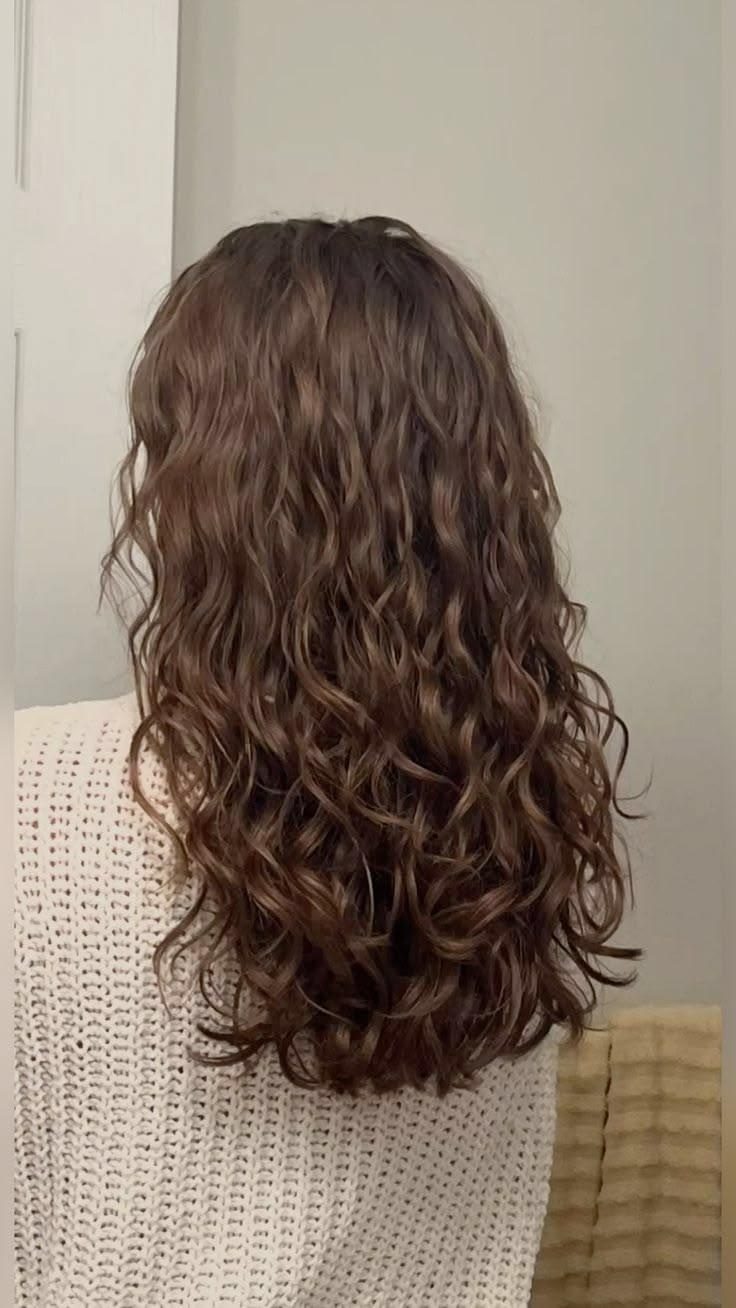
If your hair has a natural wave or curl, your easiest haircut may be the one that works with it rather than against it.
A stylist can shape the hair around its natural movement so you are not dependent on a flat iron or blow-dryer to make the haircut look intentional.
The important part is telling your stylist what you actually do with your texture.
If you usually air-dry, say that.
If you sometimes scrunch in one product and call it a day, say that too.
The goal is to build the shape around your real hair—not the version that exists only after a salon appointment.
If You Love Styling Your Hair, Your Options Change
Now consider the opposite client.
You enjoy getting ready. You own a round brush. You know how to use a curling iron. You are happy to spend 20 minutes making your hair look a certain way.
Tell your stylist that, too.
A haircut designed for someone who enjoys styling can take advantage of techniques that create movement, volume, and specific shapes once heat and products are introduced.
The important distinction is that you are willing to do the work.
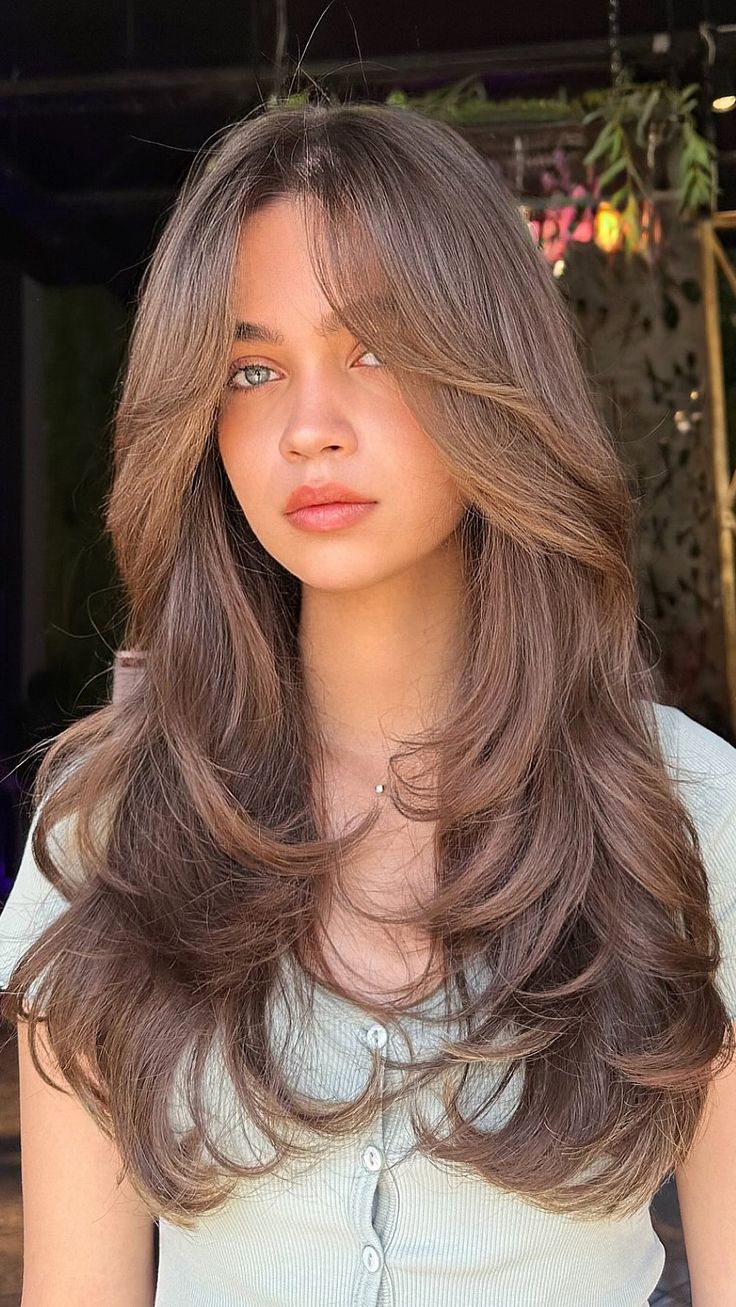
Curtain Bangs and Face-Framing Layers
If you regularly blow-dry or style your hair, curtain bangs and more noticeable face-framing layers can give you significantly more to work with.
They can be shaped to open around the face and create movement when blow-dried or curled.
But there is a catch: they may require maintenance.
If you want the look of perfectly swooping curtain bangs every day but do not want to use a brush or heat tool, tell your stylist before committing.
Layered Cuts
Layers can create volume, movement, and shape that are especially noticeable when the hair is styled.
A stylist can use different lengths to encourage certain sections to lift, bend, or move away from the face.
But layers also introduce more variables.
Hair that looks beautifully separated after a professional blowout may not automatically fall into those same sections after air-drying.
If you are comfortable styling your hair, however, those layers can give you more opportunities to create different looks.

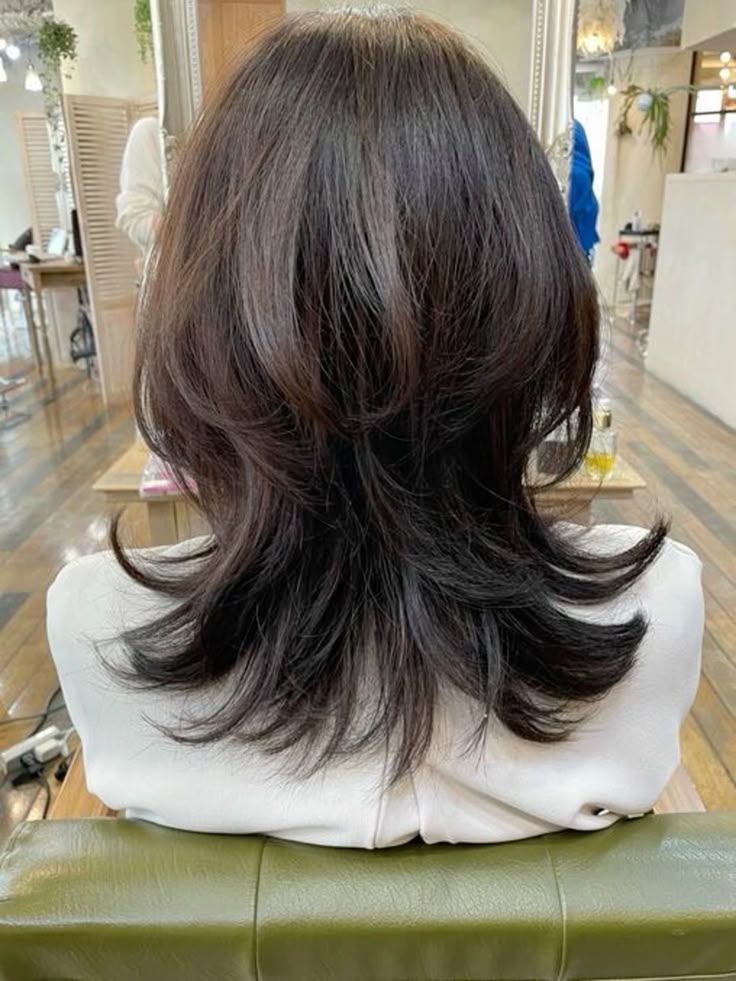
A More Structured Shape
People who style their hair regularly can also consider cuts that depend more heavily on finishing technique.
This could mean a voluminous layered cut, a polished shoulder-length shape, or a cut designed around a specific blowout or wave pattern.
The haircut and styling routine work together.
Your stylist is not just asking, “What shape do you want?”
They are also asking, “What are you willing to do to maintain that shape?”
The Bottom Line
Your haircut should fit into your life.
If you love styling your hair, there is no reason to limit yourself to the easiest possible cut. Layers, face-framing pieces, bangs, and more structured shapes can all become part of a styling routine you enjoy.
But if your ideal morning involves washing your hair and leaving it alone, your haircut should respect that too.
The best haircut is not necessarily the one that looks most impressive when you leave the salon.
It is the one that still looks good when you are standing in your bathroom, holding your own hairbrush, with ten minutes to get out the door.
Tell your stylist what you actually do with your hair.
Then let the haircut work for you—not the other way around.