If you have textured hair, you have probably heard two completely different pieces of advice. Wash it every few days. Or don't wash it for a week. Maybe you've even been told that textured hair is naturally dry, so the less you wash it, the better.
Here's the problem: there is no magic number. Wavy, curly, coily, and tightly coiled hair all behave differently. Your scalp produces oil at a different rate depending on the person, your hair's density and porosity change how it holds onto moisture, and even the weather outside can change what your hair needs. The routine that works perfectly in a dry winter climate may leave your scalp sweaty and your curls flat during a humid summer. So instead of asking, "How many times a week should I wash my hair?"
Ask a better question: What is my scalp and hair telling me right now?
First: Your Curl Pattern Does Matter
Texture is not the only factor that determines wash frequency, but it is a good place to start. The more bends and curves a strand has, the harder it can be for natural scalp oils to travel from the roots down the length of the hair. That is one reason curlier and coiler textures often feel drier than straighter hair.
But "textured hair" is a huge category. A loose wave and a tightly coiled strand should not automatically have the same wash schedule. Here's how I would think about it behind the chair.
Wavy Hair: Don't Let "Texture" Make You Overwash
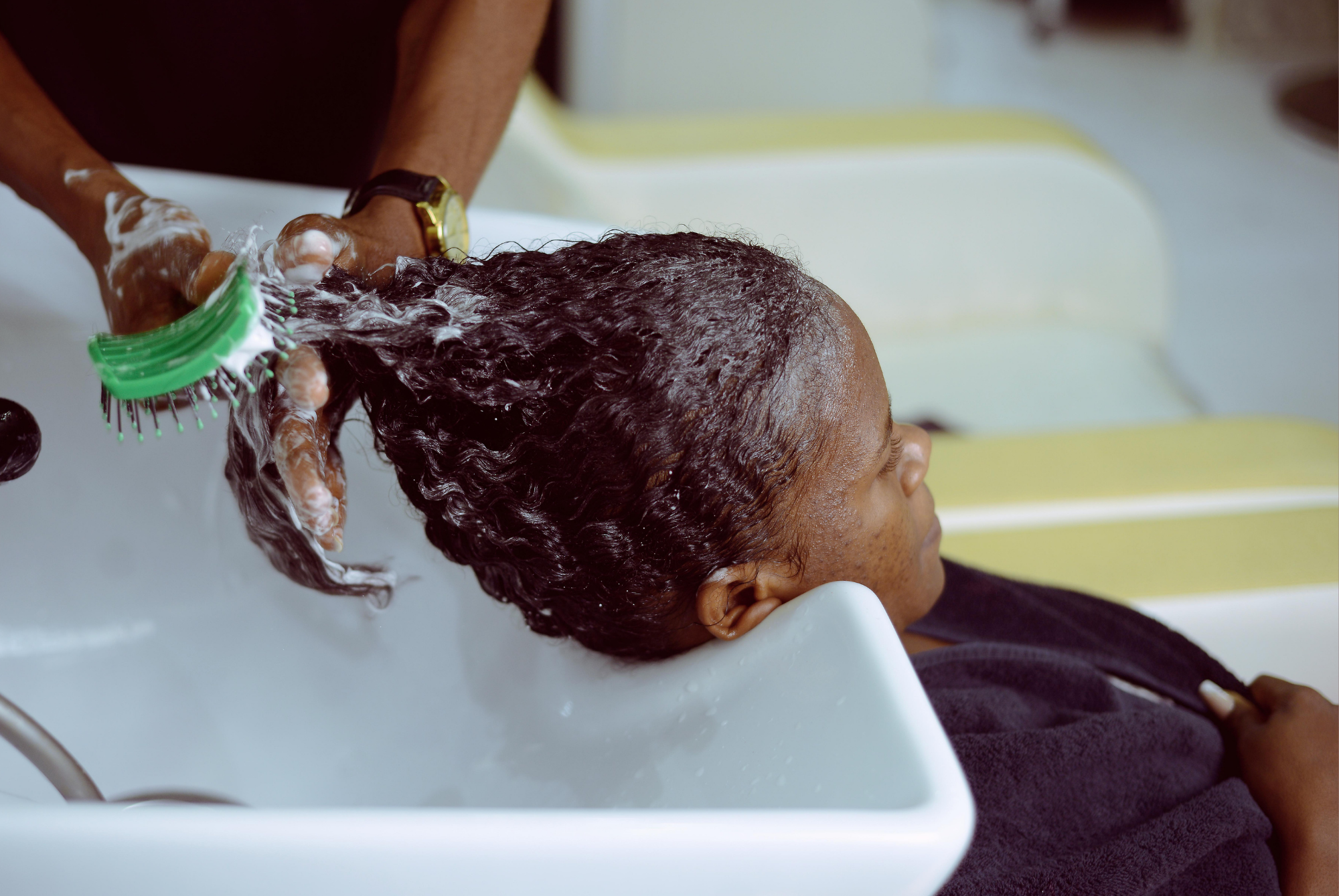
Wavy hair is often somewhere in the middle. Your scalp may get oily relatively quickly, while your mid-lengths and ends still feel dry or frizzy. This is especially common with fine waves, where heavy products can build up quickly and make the hair look flat. For many people with wavy hair, washing around two to four times a week can be a reasonable starting point.
But don't treat that range like a rule. If your roots look greasy after two days, wash sooner. If your scalp feels comfortable and your waves still look fresh after several days, you may be able to go longer. The biggest mistake I see is assuming that because your hair has texture, you need to avoid shampoo. You don't.
Your scalp still needs to be cleansed. The trick is finding a routine that cleans the scalp without leaving the lengths feeling stripped.
Curly Hair: Give Your Curls More Time, But Don't Ignore Your Scalp
Curly hair generally benefits from a little more space between washes. Why? Because the shape of the strand makes it harder for natural oils to move evenly down the hair. Add frequent heat styling, coloring, or aggressive detangling, and the lengths can become even more prone to dryness.
For many curly-haired people, roughly one to three washes per week can work well. Some people may comfortably go longer. Others may need to wash more frequently because of their scalp, workout schedule, styling products, or environment.
And this is where I want to make an important distinction: A dry-looking curl does not automatically mean you should stop washing your scalp. If your scalp feels oily, itchy, uncomfortable, or coated with product, your hair may need cleansing even if the ends still feel dry.
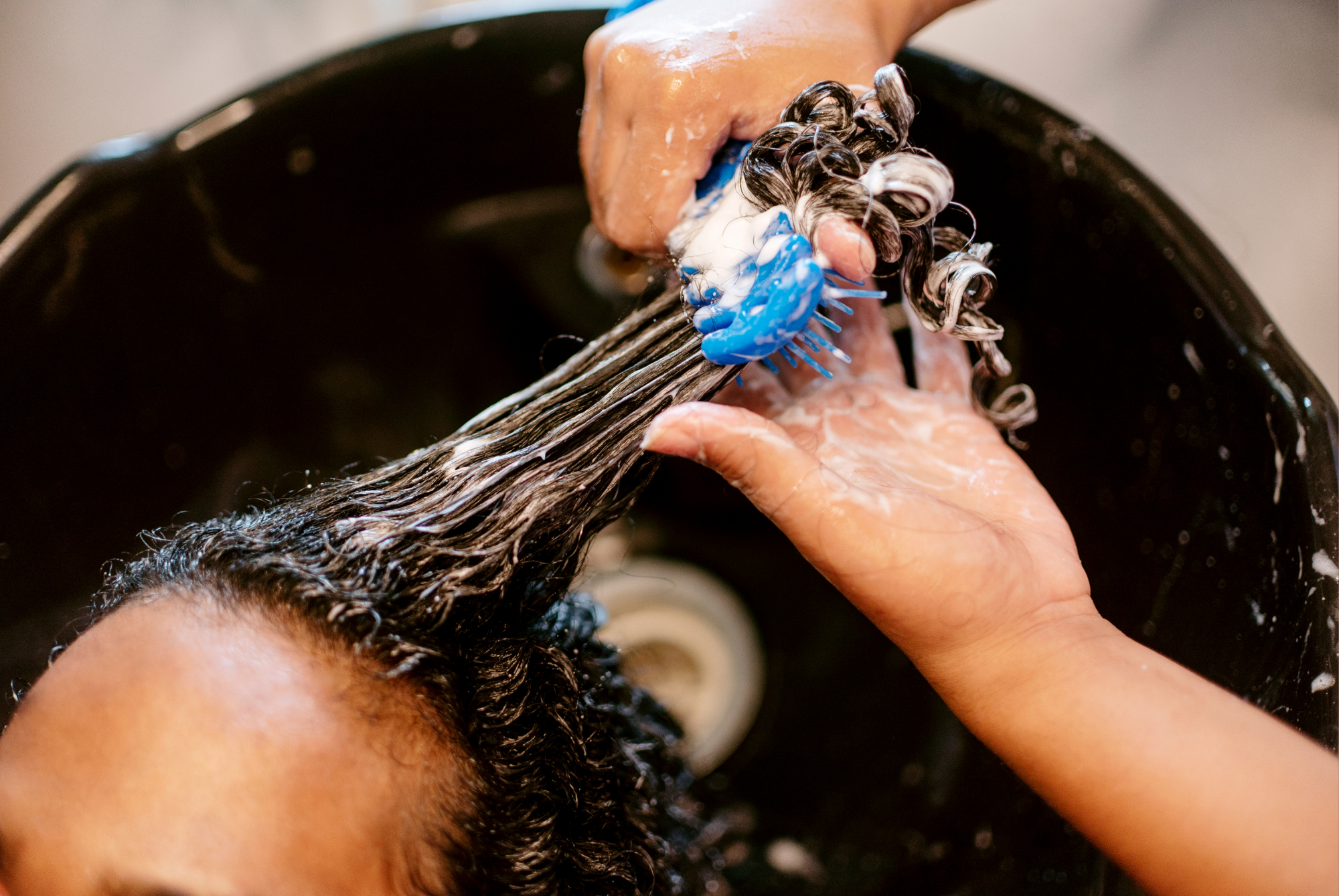
The answer isn't necessarily less shampoo. It may be changing where and how you shampoo. Focus the cleanser primarily on the scalp, then let the lather move through the lengths as you rinse rather than aggressively scrubbing the ends.
Coily and Tightly Coiled Hair: Less Frequent Washing Can Make Sense
With coily and tightly coiled textures, moisture management becomes even more important. The tighter the curl pattern, the more difficult it can be for scalp oils to travel down the strand. Hair can therefore feel dry even when the scalp itself does not need additional moisture. For some people with coily hair, washing once a week or every 7–10 days can be a comfortable starting point.
But again, there is no award for going the longest without washing your hair. If you exercise frequently, sweat heavily, use a lot of styling products, or your scalp simply becomes uncomfortable, you may need to cleanse more often. On the other hand, if your hair becomes extremely dry after frequent shampooing, spacing out washes may help preserve moisture.
The goal is not to wash as little as possible. The goal is to wash as often as your scalp needs while protecting the condition of your hair.
What About Protective Styles?
This is where things get even more complicated. Braids, twists, locs, wigs, sew-ins, and other protective styles can change your washing routine because the hair is not being manipulated in the same way. That does not mean your scalp stops needing care.
Sweat, oil, dead skin, and styling products can still accumulate. If you're wearing a protective style, think about how you can keep the scalp clean without unnecessarily disturbing the style. Depending on the style, that might mean a targeted scalp cleanse rather than a traditional full wash. And pay attention to what happens after installation.
If your scalp feels persistently itchy, sore, unusually tight, or irritated, don't assume you simply need to "get used to it." Your scalp is giving you information. How Often Should You Use a Hair Mask?
There isn't one universal schedule. For many people, once a week is a reasonable place to start. Very dry, coarse, curly, or heavily processed hair may benefit from more frequent treatment, while fine or easily weighed-down hair may prefer less. Pay attention to what happens after you use it.
If your hair feels softer, smoother, and easier to manage, your routine is probably working. If it starts feeling heavy, limp, greasy, stiff, or coated, you may be overdoing it. Your hair doesn't get extra credit for using a mask three times a week.
Then the Weather Changes Everything
Here's the part of the wash-frequency conversation people often miss: Your ideal routine in January may not be your ideal routine in July. Hair doesn't exist in a climate-free bubble. Humidity, heat, cold, wind, and indoor heating can all change how your hair and scalp feel.
Humid Weather
Humidity can make textured hair swell and become more prone to frizz. If your hair suddenly feels bigger, softer, puffier, or harder to control, you may be tempted to pile on more styling products.
Sometimes that works. Sometimes you're just creating buildup on top of a humidity problem. If you're sweating more in warm weather, you may also find that your scalp needs cleansing more frequently than it did during the winter. Your wash schedule might need to increase temporarily.
Hot Weather
Summer can mean more sweat, swimming, sunscreen, outdoor activity, and product use. If you exercise outside or spend a lot of time in the heat, your scalp may simply need more frequent cleansing.
That does not mean you have to completely change your texture routine. It may mean adding one additional wash each week during the hottest months. And if you're swimming regularly, remember that chlorine and salt water can be particularly drying to the hair. Your hair may need more conditioning even if your scalp needs more cleansing. Those two things can happen at the same time.
Cold, Dry Weather
Winter can be a completely different story. Cold outdoor air combined with dry indoor heat can leave textured hair feeling noticeably less hydrated. This is often when people start stretching their wash days because their hair feels dry. That can be reasonable if your scalp is comfortable.
But don't confuse dry hair with a scalp that never needs cleansing. Instead, consider adjusting the rest of your routine: gentler cleansing, more conditioning, fewer harsh styling practices, and additional moisture on the lengths and ends.
Your Environment Matters, Too
Weather isn't the only environmental factor. Think about your actual lifestyle. Do you live somewhere humid? Do you work out five days a week? Do you live in a dry climate? Do you commute through pollution? Do you spend weekends at the beach? Do you use gels, edge control, oils, mousses, or multiple layers of styling products?
All of those things can change how often your hair needs to be washed. This is why copying someone else's wash schedule can be frustrating. Your friend's "once every two weeks" routine might work beautifully for her. It doesn't automatically mean your scalp will agree.
How Do You Know It's Time to Wash?
Instead of counting days on the calendar, start looking for signs.
Your scalp may be ready for a wash if:
- Your roots feel noticeably oily
- Your scalp feels itchy or uncomfortable
- You have visible buildup
- Your hair feels coated instead of soft
- Your style has lost its shape because of product accumulation
- You've been sweating significantly more than usual
- Your scalp simply doesn't feel clean
Your hair may be asking you to slow down if:
- Your lengths feel consistently dry after washing
- Your curls or coils feel rough instead of flexible
- Your ends are becoming increasingly tangled
- Your hair feels stripped immediately after shampooing
- You're having to use significantly more conditioner just to make your hair manageable
Neither list is about following a perfect schedule. It's about paying attention.
The Biggest Mistake? Treating Wash Day Like a Rulebook
There is a strange amount of pressure around wash frequency. Some people feel like they're washing "too much." Others feel guilty for going too long between washes.
But healthy hair care isn't a competition. A person with fine, wavy hair and an oily scalp may genuinely need to wash more often than someone with dense, tightly coiled hair and a dry scalp. Neither person is doing hair care "wrong."
Your wash schedule should reflect your scalp, your texture, your lifestyle, and your environment. And it can change.
A Simple Starting Point
If you have no idea where to begin, try this:
Wavy: Start around 2–4 times a week and adjust based on your scalp.
Curly: Start around 1–3 times a week, especially if your lengths are prone to dryness.
Coily/tightly coiled: Start around once a week or every 7–10 days, then adjust based on scalp comfort, activity, and buildup.
These are starting points, not commandments. If your scalp gets oily faster, wash more often. If your hair feels stripped, look at your shampoo, technique, and conditioning routine before simply extending wash days indefinitely. And if your environment changes, give yourself permission to change your routine with it.
The Stylist Takeaway
The best wash schedule isn't the one that works for the person with the most perfect curls on your TikTok feed. It's the one that leaves your scalp clean, your hair comfortable, and your natural texture behaving the way it actually wants to.
Textured hair doesn't need one universal rule. It needs a routine that can adapt. Because your hair isn't the same every day—and your wash schedule doesn't have to be either.