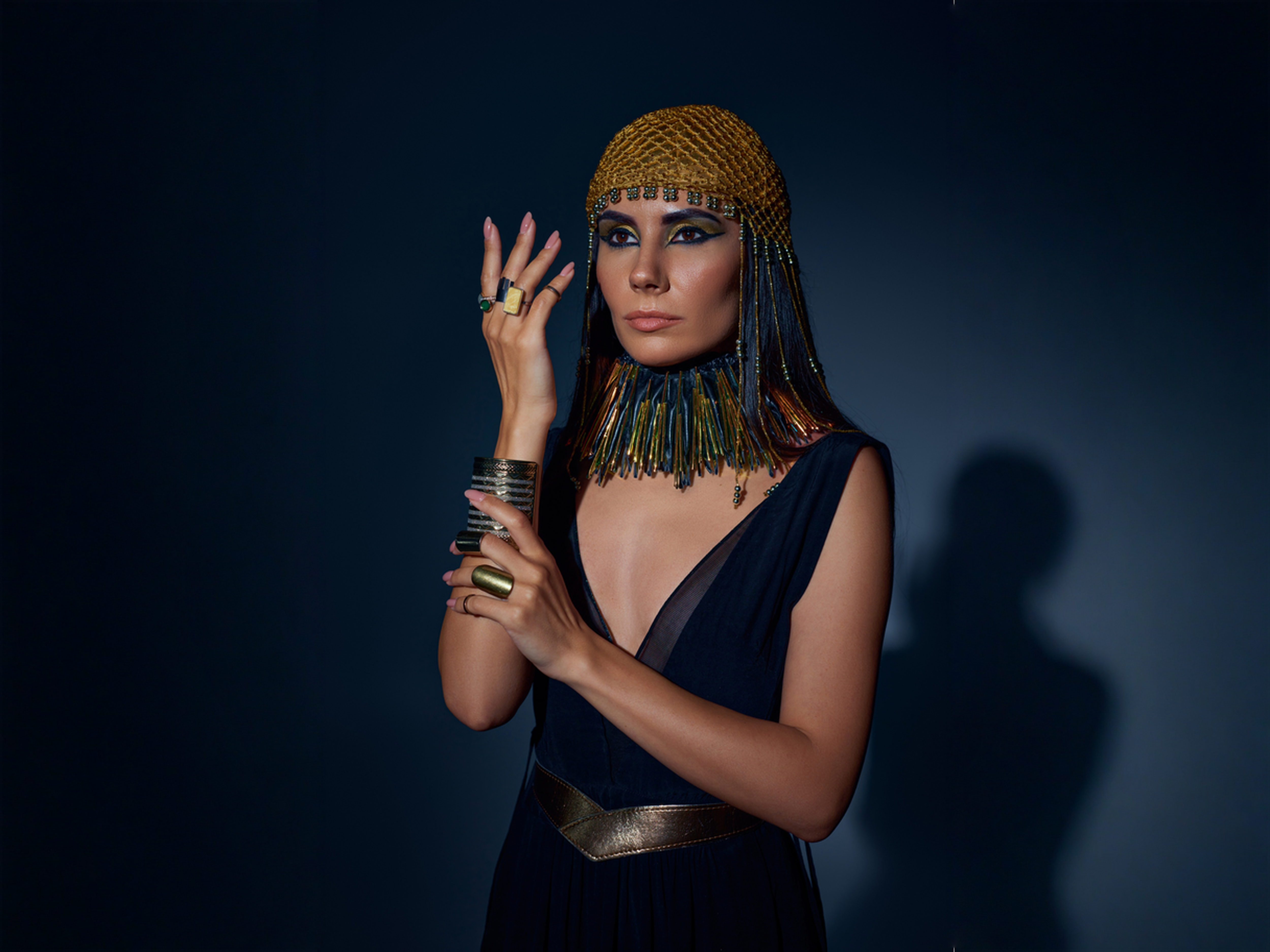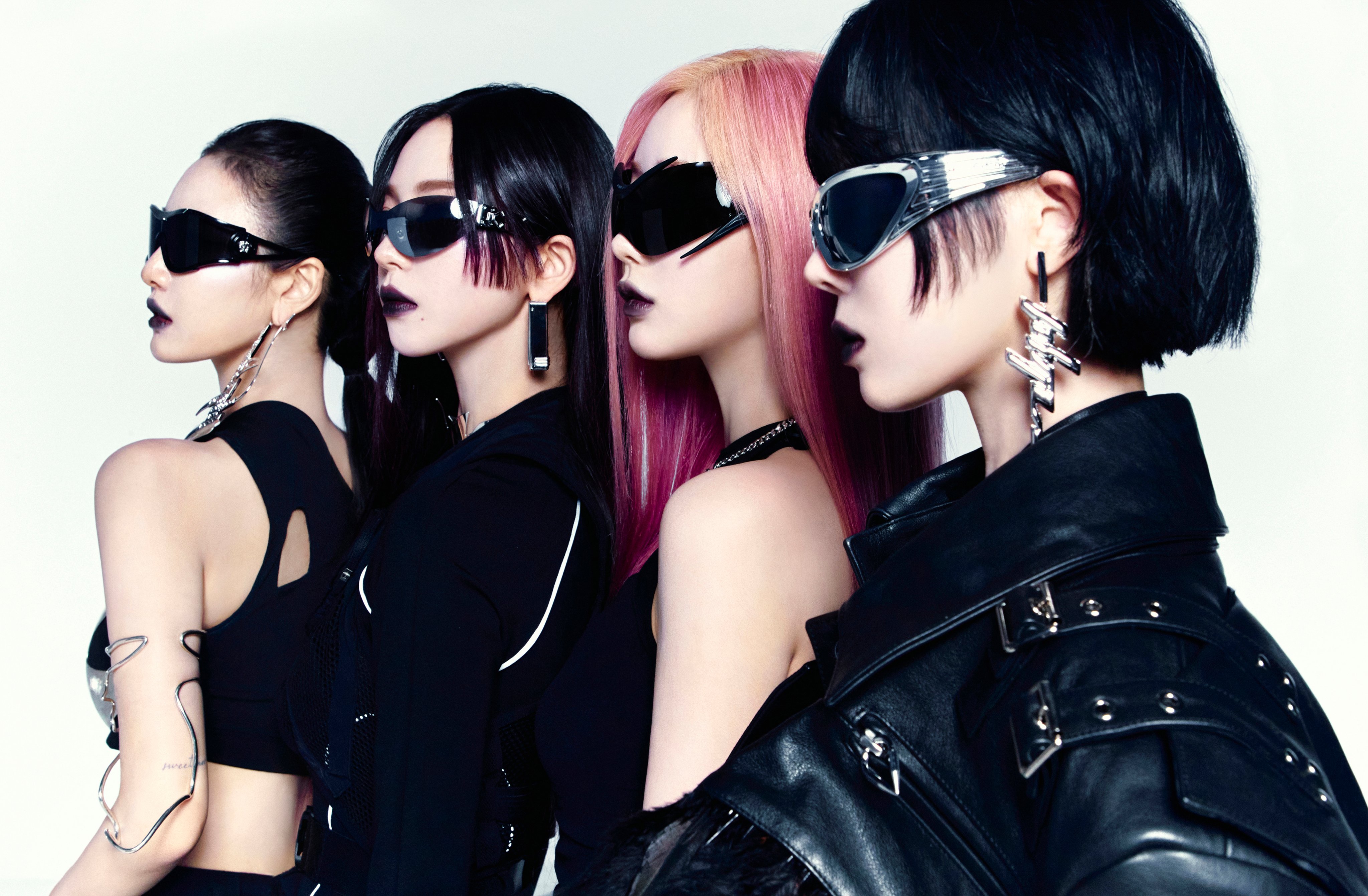
The real answer involves more than shampoo and conditioner. If you follow K-pop, you have probably noticed something that seems almost impossible.
One comeback, an idol has jet-black hair. A few months later, they are platinum blonde. Then pink. Then silver. Then dark brown again. Add extensions, curls, straightening, elaborate updos, rehearsals, performances, and constant styling, and somehow their hair still looks glossy under a hundred stage lights.
So naturally, the question becomes: How is their hair not completely fried? I wish I could tell you there is one miracle product that makes hair immune to bleach and heat. There isn't.
The reality is a lot more interesting. K-pop hairstylists have to treat hair health as part of the styling process. That means using professional treatments, carefully managing chemical services, minimizing unnecessary damage, and — perhaps most importantly — knowing when the hair should not be changed again.
And sometimes, the hair you are looking at isn't entirely the idol's natural hair in the first place.
Bleach Is Still Bleach
Let's clear up the biggest misconception first. Just because an idol's hair looks healthy does not mean it hasn't been damaged.
Bleaching works by opening the hair's cuticle and removing natural pigment from inside the strand. The lighter you need to go, the more aggressive the process generally needs to be. Repeated bleaching can leave hair more porous, weaker, drier, and more prone to breakage. And once a section of hair has been significantly damaged, no treatment can turn it back into completely untouched virgin hair.
This is something professional K-pop colorists understand very well.
In interviews with stylists who work with idols, the emphasis isn't on somehow making bleach harmless. It's on managing the amount of damage and knowing when the hair has reached its limit. Bond-building treatments, color-specific products, and careful maintenance are part of that strategy. So when you see an idol with another dramatic color change, don't assume their hair is somehow unaffected.
There is a lot happening behind the scenes that you don't see on stage.
The Haircare Routine Is More Serious Than You Think
When your job involves having your hair photographed and filmed constantly, “I'll use conditioner when I remember” isn't really an option. For heavily processed hair, the goal is usually to maintain as much strength, moisture, smoothness, and elasticity as possible between chemical services.
That can mean a combination of:
- Color-safe shampoo and conditioner
- Bond-building or strengthening treatments
- Leave-in conditioners
- Hair masks
- Heat protectants
- Lightweight oils or serums
- Regular professional treatments
- Less aggressive styling when the hair needs a break
K-pop hairstylist Mujin Choi, who has worked with BTS and other celebrity clients, has specifically discussed the importance of leave-in hair essence for damaged hair, recommending frequent application to both wet and dry hair.
And that makes sense from a stylist's perspective. If your hair is being washed, dried, curled, straightened, colored, brushed, and restyled constantly, you can't just wait until it feels terrible before you start taking care of it. Maintenance has to happen before the damage becomes obvious.
Products Worth Considering
You don't need a celebrity stylist's entire product cabinet at home. But if your hair is bleached, colored, or regularly heat styled, I would prioritize products that address strength, conditioning, and heat protection rather than simply buying whatever promises “shine.”
A few options worth looking at:
K18 Leave-In Molecular Repair Hair Mask
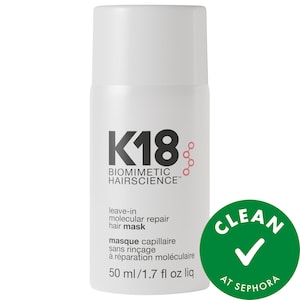
K18 Leave-In Molecular Repair Hair Mask is designed specifically for hair affected by bleach, color, chemical services, and heat. It is a particularly interesting option if your biggest concern is breakage rather than simply dryness.
Olaplex No. 3 Hair Perfector
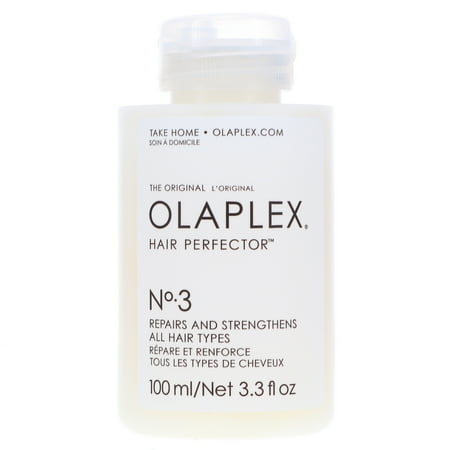
Olaplex No. 3 is another long-standing option for chemically stressed hair. It is a pre-shampoo treatment intended to strengthen and reduce the appearance of damage
Redken Acidic Bonding Concentrate Conditioner
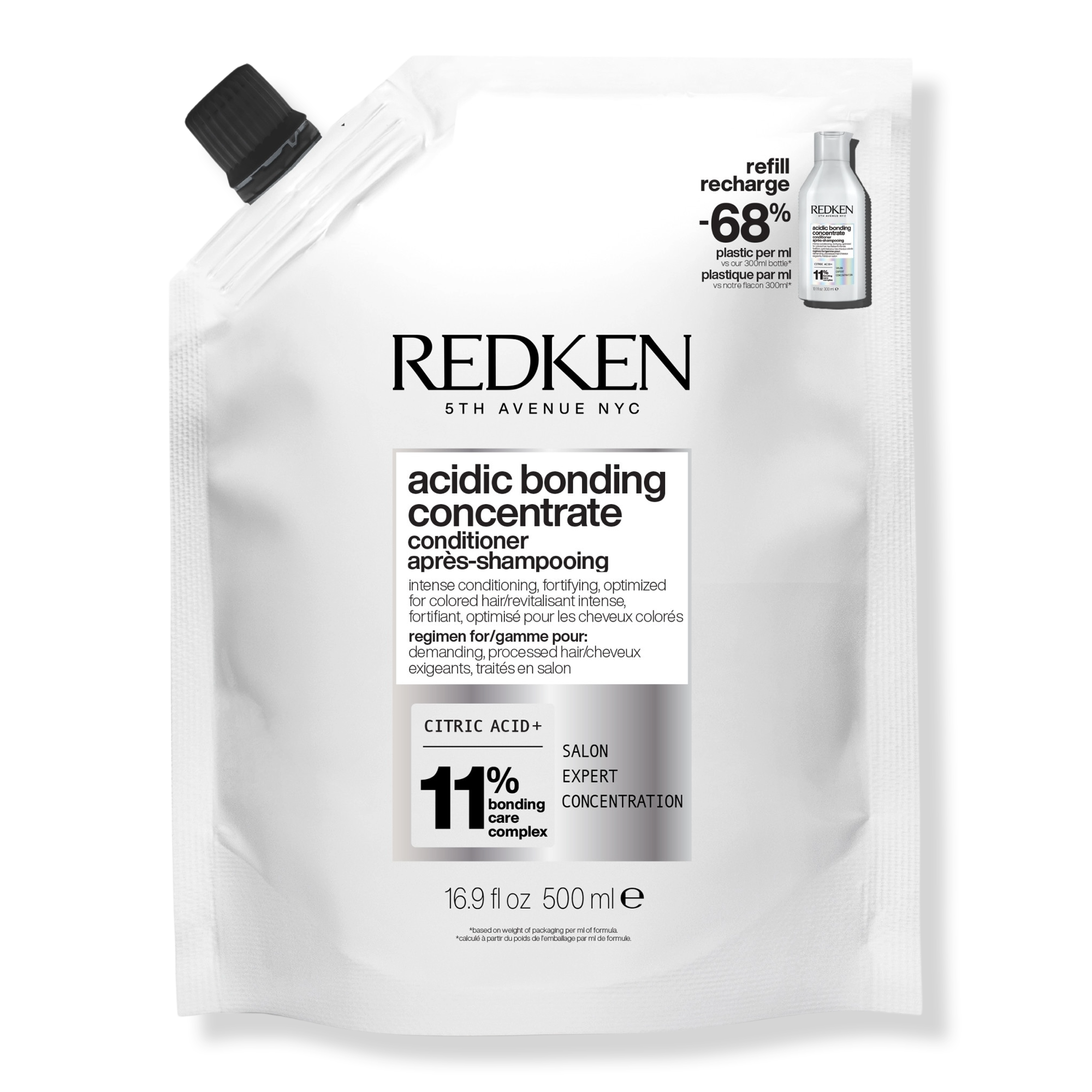
Redken Acidic Bonding Concentrate is worth considering if you want a strengthening conditioner as part of your regular wash routine rather than adding another occasional mask.
The important part is not owning all three. Pick products based on what your hair actually needs.
If your hair is bleached and breaking, focus on strengthening and reducing mechanical damage. If it is simply dry, you may need more conditioning. If you're constantly blow-drying or curling, heat protection becomes non-negotiable.
More products do not automatically equal healthier hair.
The Secret Weapon? Extensions
This is the part people often forget. Extensions aren't only about making hair longer. They can also completely change the look of an idol without requiring their natural hair to undergo another major chemical transformation.
Want waist-length hair for one performance? Extensions.
Want dramatically thicker hair? Extensions.
Want a completely different silhouette? Extensions.
Want to add color without bleaching every strand of your natural hair? You guessed it. Extensions.
K-pop hairstylists have discussed extensions as a regular part of idol styling, and industry reporting has specifically noted that extensions, hair pieces, and wigs can be used when an idol's own hair is too damaged or when a desired color would be difficult to achieve safely.
This is one of the biggest differences between an everyday hair routine and celebrity styling. If a stylist has access to custom-made pieces and professional extension techniques, they have more options than simply reaching for the bleach. But there is an important warning here.
Extensions Are Not Automatically “Damage-Free”
I see this misconception all the time. People assume that because extensions aren't chemically processing the hair, they can't cause damage. That's not true.
Extensions add weight and tension to your natural hair. If they are installed too tightly, worn continuously, or placed on already fragile strands, they can contribute to breakage and even traction-related hair loss.
The American Academy of Dermatology recommends having extensions installed professionally, avoiding styles that hurt or feel excessively tight, keeping the scalp and natural hair clean, and giving the hair breaks from extensions.
So if your extensions give you a headache, that isn't something you should “get used to.” Pain is a sign that the installation may be putting too much tension on your hair.
And Yes, Sometimes It's a Wig
Here's another secret behind dramatic transformations: You don't always need to transform the hair at all.
Wigs can give stylists almost unlimited freedom without requiring the client's natural hair to undergo another round of bleach, color, cutting, or heat styling. Think about what that means.
If an idol has spent months growing their hair out, but the next concept calls for a short platinum bob, cutting and bleaching their actual hair would be an enormous commitment. A wig can create that look for the camera and come off when the shoot is over.
The same goes for extreme colors. A wig can allow a stylist to experiment with shades that would otherwise require significant chemical processing.
And this isn't unique to K-pop. Celebrity colorists have long used wigs as a way to protect heavily processed hair. Celebrity colorist Patti Song, for example, has discussed using wigs as part of a strategy to give damaged celebrity hair a break from continued chemical processing.
So the next time you see an idol go from brunette to neon pink seemingly overnight, don't immediately assume they sat through another four-hour bleaching appointment. Sometimes the smartest hair transformation is the one that never touches the natural hair.
They Also Don't Always Change as Much as You Think
There is another trick that is much less glamorous but arguably more important. Not every color change requires starting from scratch. Once hair has been lightened, stylists can sometimes work with the existing level rather than repeatedly taking naturally dark hair all the way back to blonde.
Color-depositing products, toners, glosses, and color-specific shampoos can help maintain or shift an existing color without requiring the same level of processing every time. K-pop hairstylists have specifically discussed using color treatments and shampoos to maintain changing shades.
This is something I wish more people understood about hair color. If you bleach your hair once and then spend the next several months maintaining the color properly, that is very different from repeatedly bleaching the entire head. The healthiest color appointment is often the one where your stylist doesn't touch the parts of your hair that don't need to be touched.
The Real K-Pop Hair Secret
After all of this, I think the biggest misconception is that K-pop idols have somehow discovered a way to make damaged hair healthy again. They haven't. What they have is access to a team that understands how to manage damage before it gets out of control.
That can mean:
- Not bleaching hair that is already too compromised
- Using bond-building and conditioning treatments
- Protecting the hair from unnecessary heat
- Maintaining color instead of repeatedly re-bleaching
- Using extensions for length, volume, and color
- Using wigs when the natural hair needs a break
- Changing the styling approach when the hair's condition changes
- Getting professional help instead of trying to correct severe damage at home
And sometimes, despite all of that, the hair still gets damaged. We've seen idols openly show breakage and compromised hair, too. The glossy stage image shouldn't convince you that bleach, heat, and constant styling somehow stopped affecting the hair underneath.
The Stylist Takeaway
I love a dramatic hair transformation as much as anyone. But if there's one thing I would steal from the K-pop hair world, it wouldn't be a particular shampoo or a secret Korean treatment. It would be the strategy.
You don't need to put your natural hair through every trend. If you want pink hair, maybe you don't need to bleach your entire head. If you want length, maybe extensions make more sense than waiting two years to grow it. If your hair is already compromised, maybe a wig is better than another chemical service. And if your ends are breaking, another bottle of “repair” serum isn't going to make them virgin hair again.
Healthy-looking hair isn't always the result of doing more. Sometimes it's the result of knowing what not to do to it. That, more than any celebrity hair product, is probably the real secret behind those impossibly polished K-pop transformations.